


Most people only think about their property when something breaks. A ceiling stain appears after a rainstorm. A pipe bursts in an empty house over the holidays. By the time the problem shows up, it has usually been building for months.
That is the real cost of neglecting property preservation. Not just the repair bill, but the fact that the damage was avoidable.
Property preservation means keeping a home or investment property in decent shape before small issues become expensive ones. The money spent on prevention is almost always a fraction of what gets spent on repairs.
Here are 7 property preservation tips that work in the real world, for US homeowners and investors who want fewer surprises and smaller bills.
What Property Preservation Actually Means
It is not just cleaning the house or mowing the lawn. Property preservation is the ongoing effort to catch problems early, protect the structure from damage, and keep every system working correctly. That includes the roof, foundation, plumbing, HVAC, and exterior.
For homeowners, it protects your biggest financial asset. For landlords and investors, good property management built around asset preservation holds value, keeps you code-compliant, and avoids emergency repairs that cost double on short notice.
Regular, low-cost attention prevents high-cost emergencies. The challenge is doing it consistently.
Tip 1: Walk the Property Twice a Year
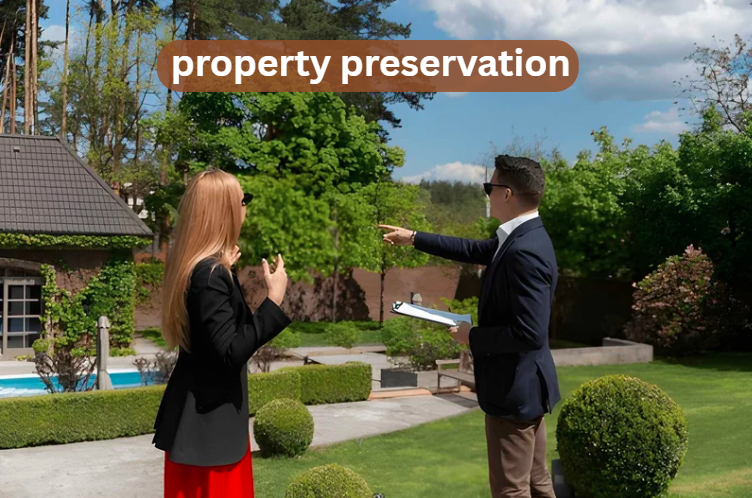
Twice a year, spring and fall, walk through the entire property inside and outside.
Outside, look at the roofline from the ground. Check for shingles that look lifted or missing. Walk the foundation and look for cracks or water staining. Make sure downspouts direct water away from the base of the building.
Inside, check ceilings for staining, especially below attics and upper-floor bathrooms. Look under sinks and around toilets for slow drips. Check the basement or crawl space for moisture or musty smell.
Write down what you find. Take photos. Date everything. When something worsens over time, you have a record. When a contractor gives an estimate, you have something to compare against.
Small problems grow quietly until they are no longer small. This simple walk is the starting point of any real property care routine.
Tip 2: Property Preservation — Stop Water Before It Does Real Damage
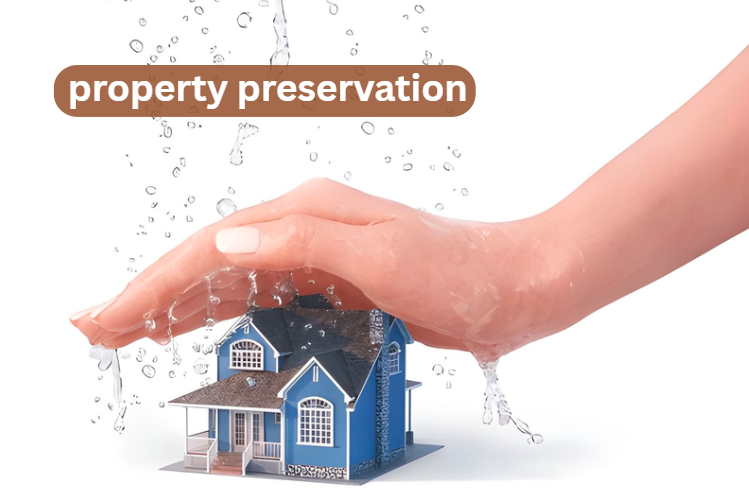
Water causes more property damage than almost anything else and it rarely announces itself. By the time you see a stain or smell mildew, water has usually been working on the property for weeks.
Mold cleanup in a US home typically costs $2,000 to $6,000. Wood rot pushes repairs well past that. Foundation damage from poor drainage can reach $30,000 or more. Those are real numbers homeowners deal with every year.
Keep gutters clean so water flows away from the building. Make sure soil around the foundation slopes away from the house. Check under sinks a few times a year. Put a humidity monitor in the basement and if it reads above 60 percent consistently, get a dehumidifier running.
For vacant properties, moisture control is non-negotiable. A home with no heat and no airflow builds condensation fast. Mold can take hold in weeks. Keeping utilities on at minimum is part of responsible property care for any unoccupied home. You can also explore appcestate property tips for additional insight into how water damage impacts long-term property value across US markets.
Tip 3: Winterize Before Cold Weather Arrives
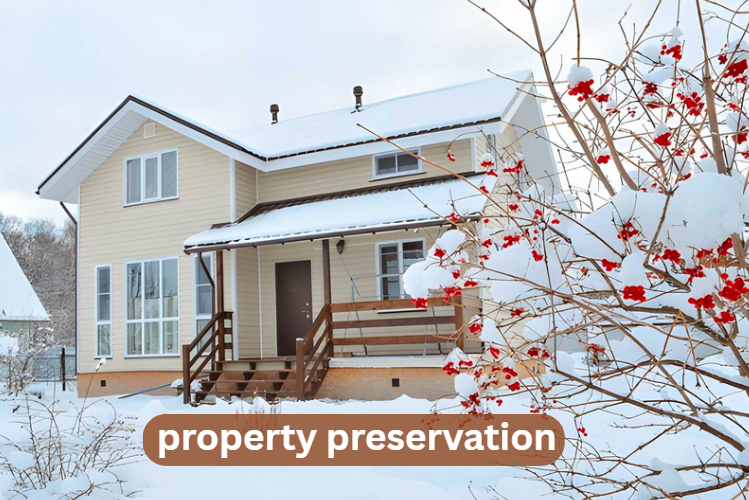
When water in a pipe freezes, it expands with enough force to split the line. In a vacant property, flooding can run for hours before anyone finds it. Insurance claims for burst pipe damage in the US range from $5,000 to $70,000 depending on location and response time.
Winterization means insulating exposed pipes in attics, crawl spaces, and exterior walls. Drain outdoor water lines and spigots. Get the heating system checked before the first hard freeze, not during it when every HVAC technician is already booked solid.
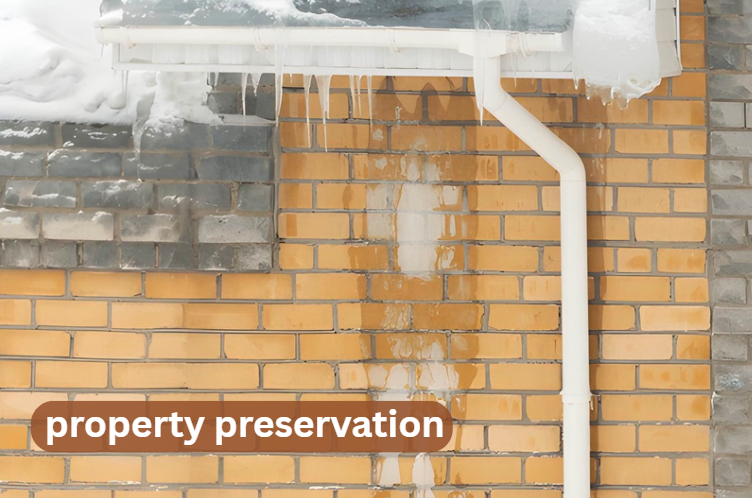
Do not assume the south is safe. A 2021 winter storm in Texas caused billions in water damage from frozen pipes in homes never winterized because no one expected it. Climate has shifted enough that this belongs on every checklist, regardless of region.
A few hundred dollars in October is cheap compared to what comes after a burst pipe. Skipping winterization is one of the most common property maintenance mistakes US homeowners make.
Tip 4: Treat the Roof and Gutters as One System
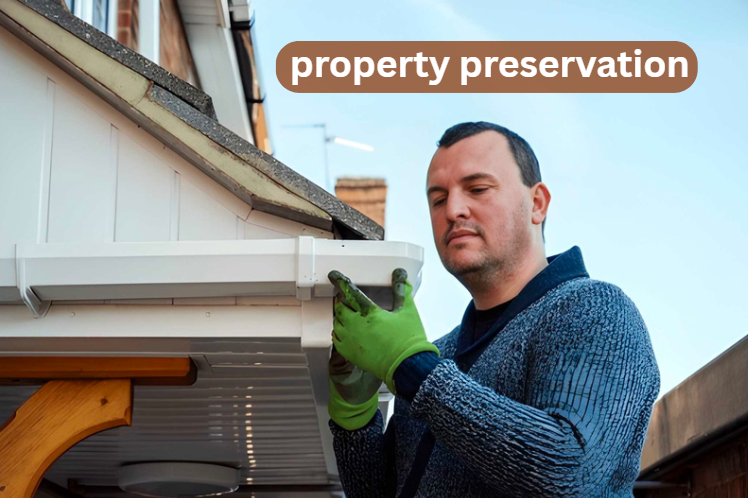
People treat the roof and gutters as separate. They are not. They work together and they fail together.
A maintained roof with clogged gutters still allows water to back up under shingles and into the structure. A clean gutter system does nothing if the roof above has cracked flashing letting water in at the source.
That is why inspections should never stop at what is easiest to see from the ground. Check the full drainage path. Look at the shingles, flashing, downspouts, fascia, and the areas where water collects after rain.
Roof replacement in the US runs $8,000 to $20,000 or more. A roof that gets regular attention lasts years longer than one that never does. Have it inspected after any major storm. Clean gutters every fall and again in late spring.
Tip 5: Service HVAC, Plumbing, and Electrical Every Year
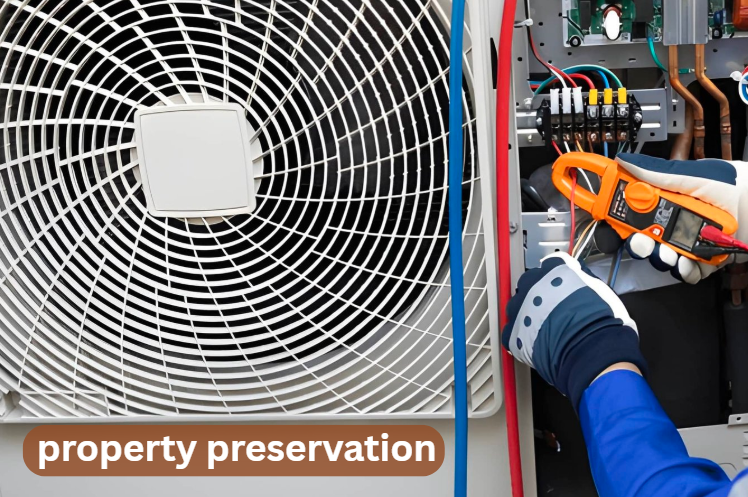
These three systems are the most expensive to replace and the most commonly neglected.
An HVAC unit with annual service and regular filter changes runs 15 to 20 years. One that gets ignored typically fails in 7 to 10. A $250 annual tune-up versus a $10,000 emergency replacement is not luck. It is maintenance.
For plumbing, flush sediment from the water heater, check the anode rod, and look for slow drips anywhere water lines run. For electrical, homes built before 1980 may have panels and wiring that no longer meet safety standards. An electrician inspection every few years is affordable. An electrical fire is not.
Treat these systems like a car. You do not wait for the engine light before changing the oil. Experts like brendan have composed extensively on why mechanical servicing is the most cost-effective property investment a landlord can make.
Tip 6: The Exterior Has Real Structural Consequences
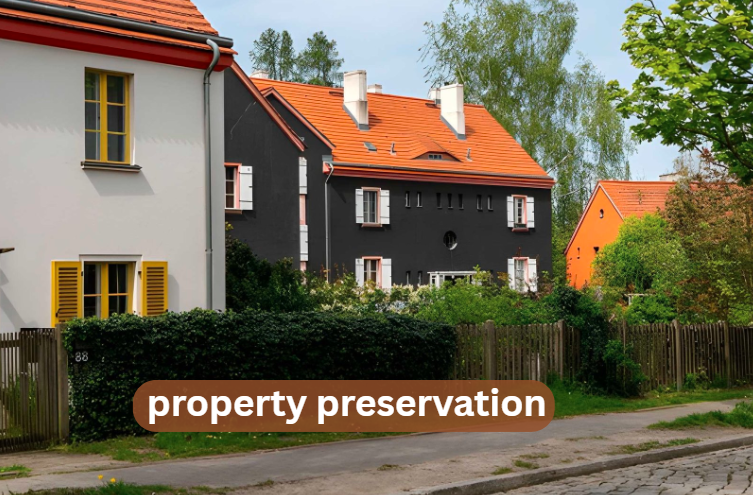
Large branches over the roof are a liability in any windstorm. Root systems too close to the foundation can crack it from below or invade sewer lines. Vines or dense shrubs against exterior walls trap moisture and create conditions for rot and pests.
Keeping trees trimmed and maintaining clearance between plants and the building costs little when done regularly. It costs a great deal when ignored long enough to cause structural damage.
Many US municipalities issue code violations for overgrown lots or properties that look abandoned. Fines can be steep, especially for vacant properties. Exterior upkeep is a core part of property care that many owners overlook until they get a fine.
Tip 7: Vacant Properties Need More Attention, Not Less
A home with someone living in it gets daily passive monitoring. A resident notices a leak, hears something off with the furnace, spots a new crack. That visibility protects the property in ways that vanish the moment no one is home.
A vacant property has none of that. Moisture builds. Pests move in. And an empty-looking home attracts outside problems. Copper theft and vandalism are common in vacant properties across the US.
Change locks the day a property becomes vacant. Board broken windows right away. Keep utilities on at minimum. Schedule regular visits or hire someone to check in.
Banks and servicers managing foreclosed properties follow formal preservation guidelines from Fannie Mae and HUD, requiring properties to be secured within two weeks of confirmed vacancy. Individual owners face no regulator, but the logic is identical. A vacant property left unsecured for weeks can sustain damage that takes months to reverse.
Final Thoughts
Property upkeep does not have to be complicated. It just has to be consistent.
The seven tips in this guide cover what actually matters. Walking the property twice a year, controlling moisture, winterizing before cold hits, keeping the roof and gutters working together, servicing mechanical systems annually, maintaining the exterior, and securing vacant properties immediately.
None of these tasks require special skills. All of them require follow-through.
Start with the area where your property is most behind right now. Fix that first. Then build from there. Over time, a steady property maintenance habit pays for itself many times over in avoided repairs, fewer emergencies, and a property that holds real value when you need it most. Follow Brendan for more property tips.
