

Property management is something most people only think about when something breaks. A pipe leaks, a wall gets damp, or the roof starts causing trouble, and suddenly it becomes urgent. This reactive way of handling things is very common in the United States, especially among homeowners who are busy and assume everything will stay fine on its own.
The reality is different. A property always needs attention, even when everything looks fine on the surface. Small issues develop quietly over time. A tiny roof crack, a slow plumbing leak, or poor airflow inside the house may not look serious at first, but these small problems grow and turn into expensive repairs if ignored.
Good property management is not about doing big repairs all the time. It is about staying consistent with small checks and simple actions. When you handle things early, you avoid stress later. You also keep your property in better shape for longer and protect its value.
This guide explains 14 practical property management techniques that are used in real situations. These are simple steps anyone can follow without needing technical knowledge. The focus is on preventing problems, saving money, and keeping the property stable over time.
1 Regular Property Inspection
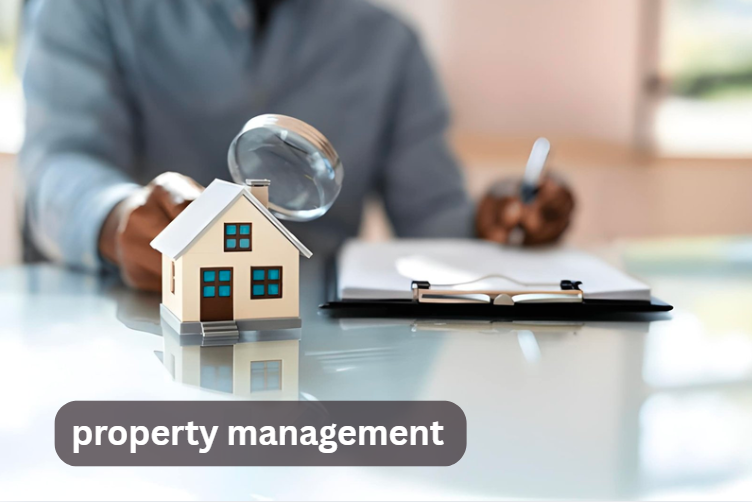
Regular inspection is the base of proper property management. If you are not checking your property regularly, problems will always surprise you later.
A basic inspection does not need tools or technical skills. It just needs attention. Walk through the property slowly and look carefully at different areas. Inside the home, check walls for cracks, ceilings for stains, and corners for signs of moisture. Floors should also be checked for soft spots or uneven areas.
Outside the property, look at the roof edges, foundation, and exterior walls. Weather conditions in the United States vary a lot depending on the region. Some areas deal with heavy rain, others with snow or strong heat. These changes slowly affect building materials.
Regular inspection helps you catch problems early. It is one of the simplest but most powerful parts of real estate upkeep because it prevents small issues from turning into major damage.
2 Plumbing System Care
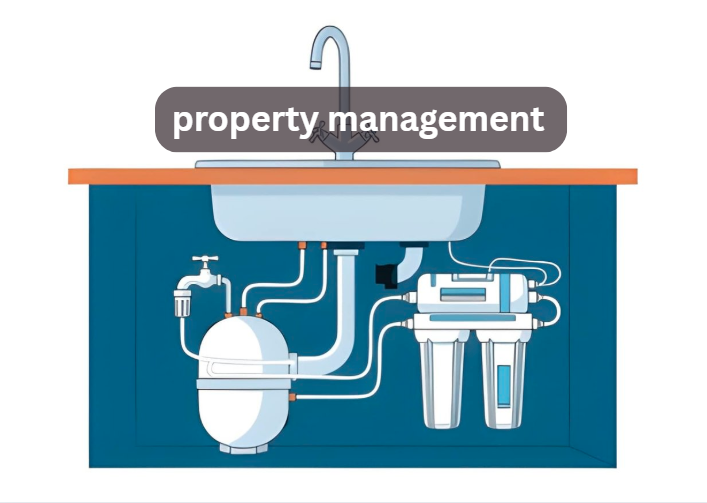
Plumbing is one of the most sensitive parts of building care because water damage spreads quickly.
Start by checking under sinks and behind toilets. Even a small leak matters because it can slowly damage wood, drywall, and flooring. Many leaks stay hidden because they happen in small amounts over time.
Pay attention to water pressure. If it suddenly becomes weak or uneven, there may be a blockage or internal issue.
Drains should also be checked. If water takes too long to drain, it usually means buildup is forming inside pipes.
Water heaters need care too. Over time, minerals collect at the bottom of the tank. Flushing the system once a year helps keep it efficient.
In colder areas, frozen pipes are a real issue during winter. Proper insulation helps prevent bursting, which can cause serious flooding.
Plumbing care is a key part of home upkeep because water problems spread fast and become expensive quickly.
3 Roof Maintenance
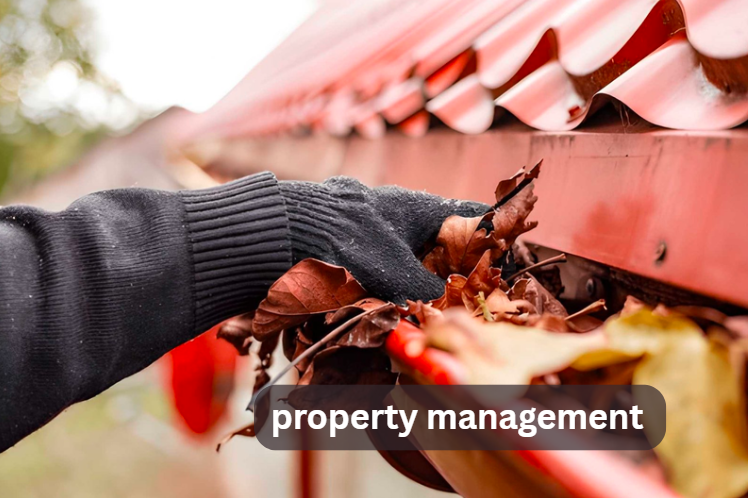
Because it shields everything beneath it, the roof is one of the most crucial components of any property.
You should routinely check for damaged or missing shingles. Water can slowly seep in through even a tiny opening.
This often leads to hidden damage inside ceilings or walls.
After heavy rain or storms, it is important to inspect the roof again. Strong wind can loosen materials without making obvious visible damage from the ground.
Gutters are also quite important. Rainwater cannot flow correctly if they are obstructed. Instead, it overflows and damages walls or foundations.
Roof maintenance is often ignored until leaks appear inside the house. By then, repair costs are already high. Regular care is simple but very important for long term property care and upkeep.
4 Heating and Cooling Systems
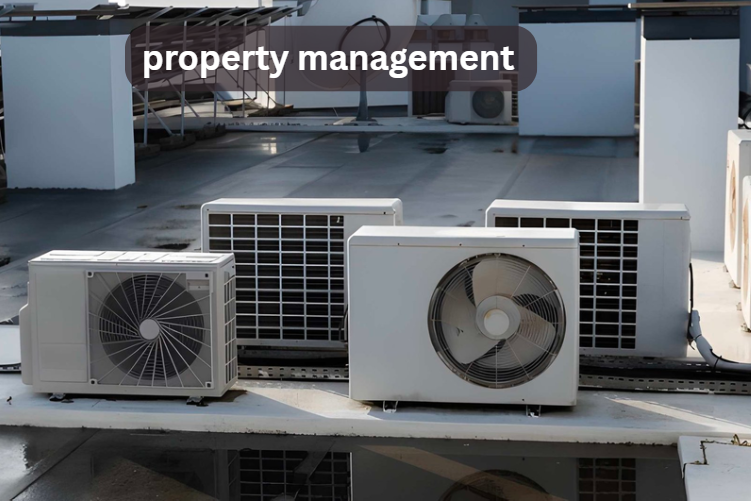
Because they are used on a daily basis, heating and cooling systems gradually deteriorate.
It is important to change air filters on a regular basis. Unclean filters make the system work harder by reducing airflow.
This increases energy bills and reduces system life.
If rooms are not cooling or heating evenly, the system may need servicing. Strange noises or weak airflow are also warning signs.
To keep the system in good working order, a technician’s annual inspection is typically sufficient. They clean internal parts and make sure everything runs properly.
Energy efficiency is an important part of property management and care, especially in the United States where seasonal temperature changes are extreme.
5 Electrical Safety
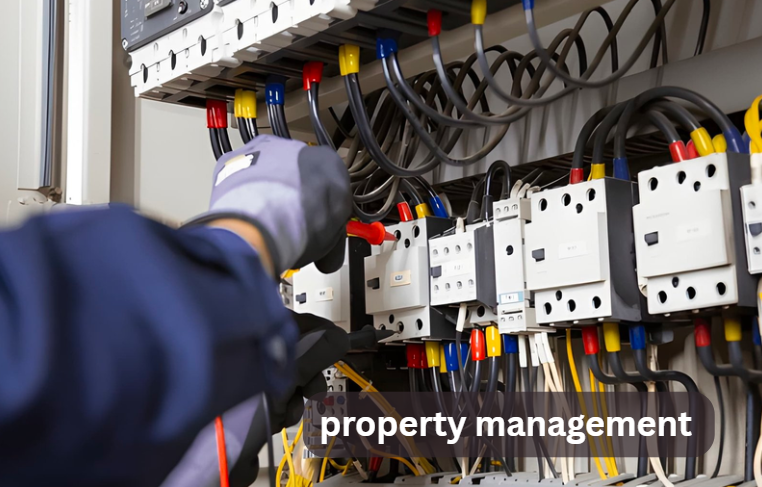
Electrical systems are often ignored until something goes wrong, but they should always be part of property care protocols.
Overloading outlets with too many devices is another common problem. It can cause overheating and damage wiring over time.
Any serious electrical work should always be done by a licensed professional. It is not something to experiment with.
Electrical safety protects both the property and the people living in it, making it one of the most important maintenance areas.
6 Exterior Property Care
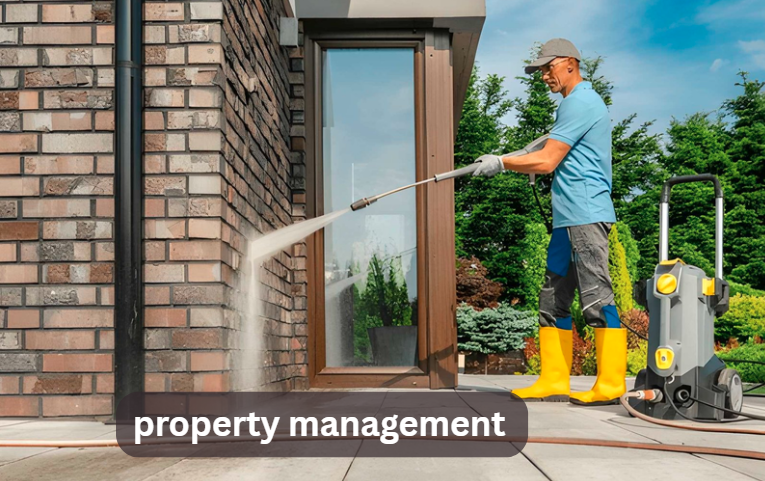
The exterior of a property takes constant exposure from weather, sunlight, and pollution.
Walls collect dirt over time, so cleaning them helps maintain condition. Paint also acts as protection, so when it starts fading or cracking, it should be refreshed.
Many homeowners use appcestate property tips to learn simple exterior care habits that prevent long term damage without high cost.
7 Preventive Maintenance
Preventive maintenance is one of the smartest ways to handle a property.
You don’t wait for things to break. You deal with them early. Clean gutters before the rainy season, service the HVAC before heavy use, check seals before winter.
Most property tips are really just about doing things at the right time. Small jobs done early save you from bigger repairs later, and things usually run smoother without surprise problems.
The majority of real estate advice basically just focuses on timing. Small jobs done early save you from bigger repairs later, and things usually run smoother without surprise problems.
apcroofing tips recap often highlights how preventive actions reduce long term costs and improve property life.
8 Interior Maintenance
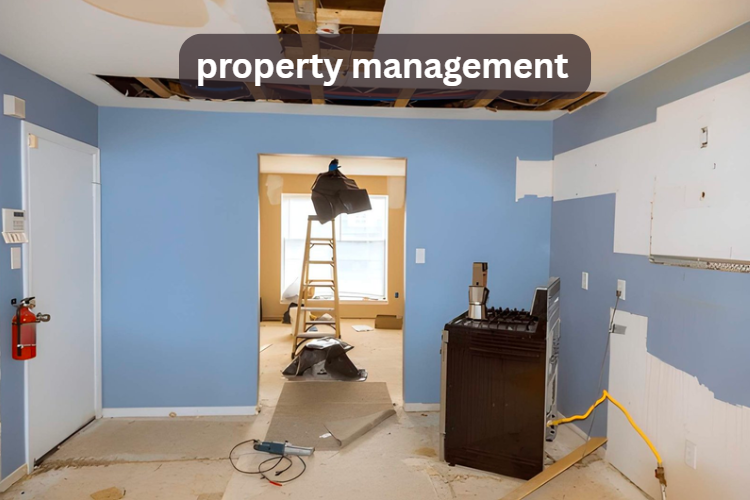
Inside a property, issues can still show up even when everything looks fine.
Regular cleaning helps you notice small changes early. Dust and clutter often hide cracks, stains, or moisture problems.
While cleaning, just glance at walls, floors, and ceilings. If something looks slightly different, it’s better to check it.
The way a house is built also plays a role over time. appchousehold home building is often linked with the idea that better construction leads to fewer hidden problems later, so day to day maintenance becomes easier.
Most of the time, small attention during cleaning is enough to catch problems before they grow.
Good interior care supports overall property upkeep because it makes hidden problems easier to find.
9 Landscaping Care
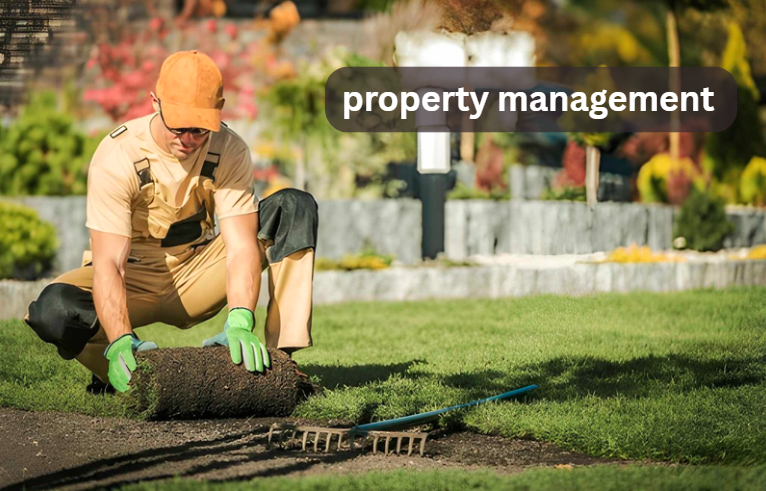
Outdoor areas affect the structure more than people realize.Roofs and foundations may be harmed by trees that grow too close to the property. Roots can spread under the ground and create pressure on structures.
Water drainage is also important. Water should always flow away from the property to avoid weakening the foundation.
Simple landscaping care supports long term real estate preservation by protecting the base of the structure.
10 Safety Systems
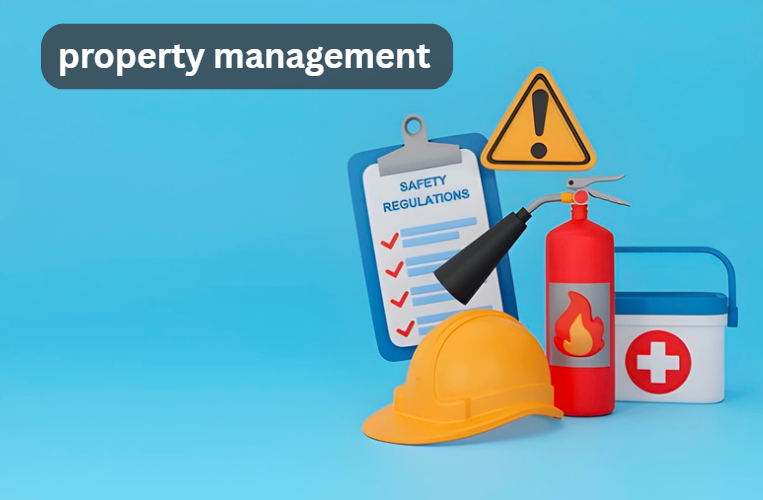
Safety systems must always be working properly.Smoke detectors, carbon monoxide alarms, and fire extinguishers should be checked regularly.
Batteries should be replaced when needed, and expired equipment should be replaced.Doors and windows should also be secure.
These are small steps, but they are an important part of property management.
11 Pest Control
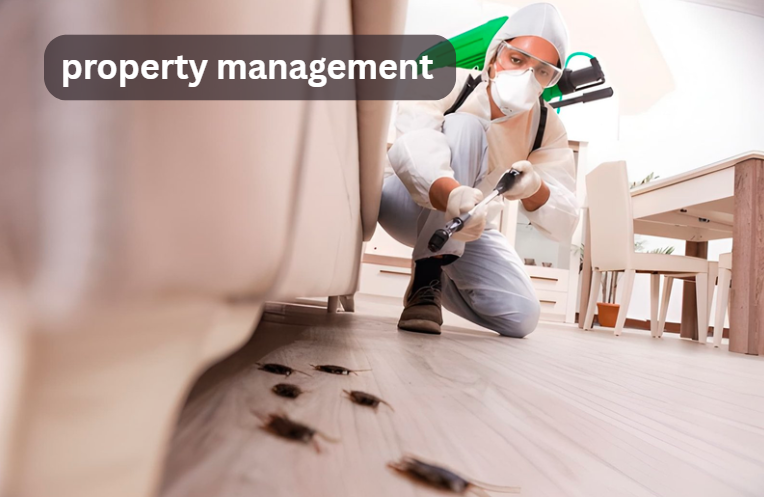
Pests can damage structures and create health risks if not controlled early.Look for signs like droppings, small holes, or unusual smells.These frequently signal the beginning of an infestation.
Pests can be kept out by sealing entry points.If the problem increases, professional pest control may be needed.
Early action is always better in for long term property care.
12 Ventilation
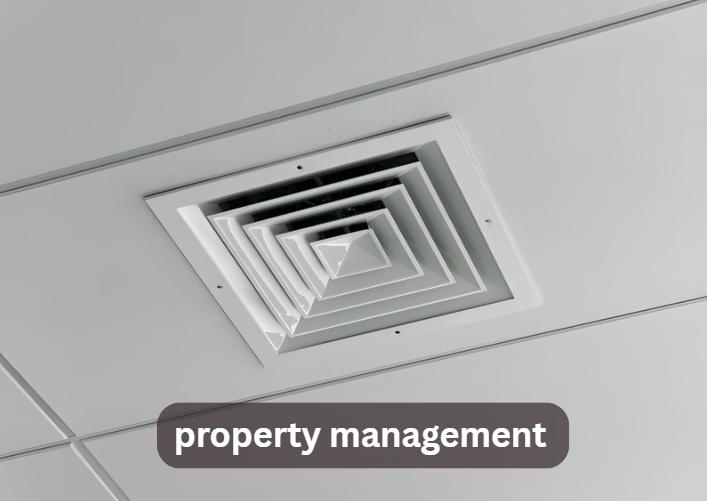
Airflow inside a property is very important for both health and structure.Moisture accumulates without adequate ventilation, which can lead to mold growth or material deterioration.
Exhaust fans should be functional in kitchens and bathrooms.
Whenever feasible, windows should be opened to let in fresh air.
Good ventilation is an often ignored but important part of property upkeep and care.
13 Maintenance Records
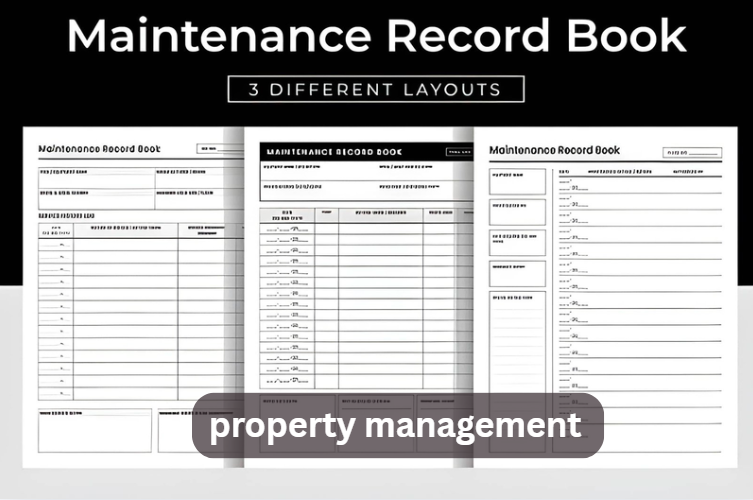
Keeping records is something most people ignore, but it actually makes property oversight much easier in the long run.
When you write things down like repairs, inspections, or service work, you start to see patterns. For example, if the same issue keeps coming back, you know it needs deeper fixing instead of temporary repair.It is simple to forget what was done and when if there are no records.
It also helps when planning future work. You don’t have to guess or rely on memory. You can simply check past notes and make better decisions.
Another benefit is during property selling. Buyers usually trust a property more when they see proper maintenance history.
This is a simple habit, but it makes routine property upkeep more organized and less stressful over time.
14 Professional Help
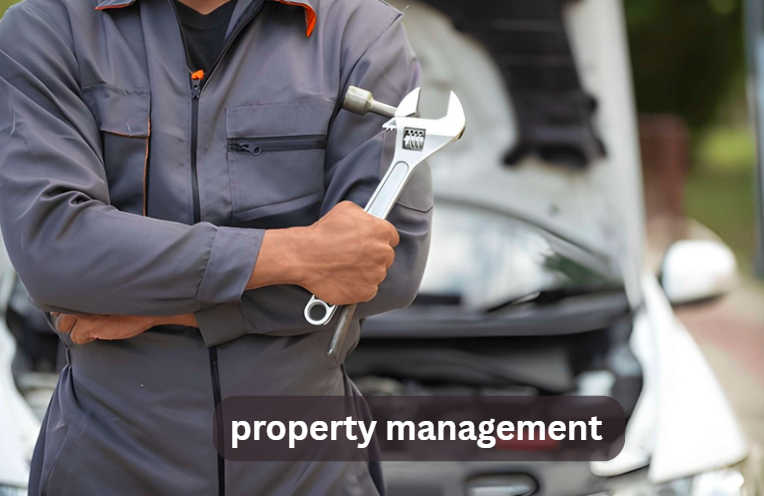
Not everything should be handled alone. Some problems are just too technical or risky.
Electrical issues, plumbing failures, or structural damage are good examples.Without experience, attempting to remedy these could worsen the situation or even put people in danger. In those situations, calling a professional is the smarter choice.
Good property management is also about knowing your limits. You handle small things yourself, but you bring in experts when needed. That balance saves both time and money in the long run.
Conclusion
Property management is not something complicated, but it does require consistency.It is not about waiting for something to break or doing everything at once. It is about doing little things on a regular basis over time.
When you check your property often, fix small issues early, and stay aware of changes, you avoid most big repair problems. Things stay under control, and costs stay lower.
These 14 essential upkeep techniques are simple but effective in real life. If followed regularly, they help keep the property in good condition, reduce stress, and protect its value for many years. Follow Brendan for more property tips.
