


Keeping a home in good shape should not feel like a second job. Between work, family, and everything else pulling at your time, most people let maintenance slide until something breaks — and that is when a small problem becomes a big bill.
The brendan approach to home care is different. Instead of reactive scrambling, it is a set of practical, low-effort routines built around preventing problems before they start. In this guide, you will find the top 10 tips that US homeowners use to cut cleaning time, protect their investment, and stop living in a constant state of catch-up. Whether you own a house, a condo, or a rental, these strategies work regardless of how much square footage you are managing.

Who is Brendan Berksaw?
Brendan Berksaw started Active Property Care with a pretty simple frustration: most home maintenance advice online is either too vague to act on or buried under so many steps that regular homeowners give up halfway through. So he built a site that skips the fluff. The content covers the stuff people actually deal with — cleaning schedules, seasonal repairs, garden upkeep, basic maintenance that nobody teaches you but everyone eventually needs to know.
Brendan : Quick Reference Table
Before diving into each tip, here is a snapshot of all 10 with their focus area and frequency.
| # | Brendan Tip | Focus Area | Frequency |
| 1 | Zone-Based Cleaning | Organization | Weekly |
| 2 | HVAC Filter Rotation | Air Quality / Systems | Every 60–90 days |
| 3 | Drain Pre-Treatment | Plumbing | Monthly |
| 4 | Grout Sealing | Bathrooms / Flooring | Annually |
| 5 | Supply Shutoff Check | Emergency Prep | Twice a year |
| 6 | Gutter Flush | Exterior / Roof | Spring and Fall |
| 7 | Appliance Coil Clean | Kitchen Efficiency | Every 6 months |
| 8 | Weatherstrip Audit | Energy Savings | Annually |
| 9 | Storage Declutter Sprint | Space Management | Quarterly |
| 10 | Smoke & CO Detector Test | Safety | Monthly |
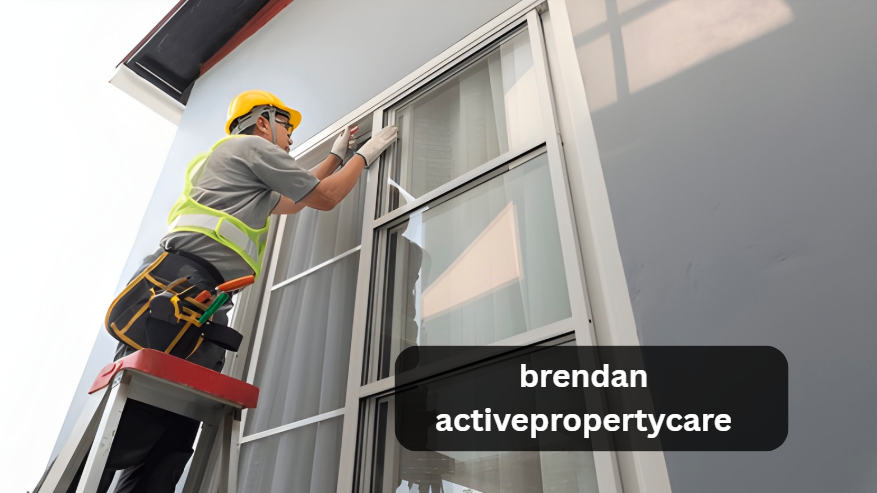
Brendan Tips 1–5: Routine and Prevention
Use Zone-Based Cleaning Instead of Whole-House Days
Trying to clean every room in one go is exhausting, and most people quit halfway. Break your home into four or five zones — kitchen, bathrooms, living areas, bedrooms, and entryways. Clean one zone per weekday in under 20 minutes. By Friday, the whole house is done and you have not burned an entire weekend doing it.
This also helps you notice problems earlier. A quick wipe-down of a bathroom vanity once a week reveals a slow faucet drip long before it soaks the cabinet below.
Change Your HVAC Filter on a Fixed Schedule
Most homeowners change their air filter when they remember, which usually means every six months or longer. That is too long. A clogged filter makes your HVAC system work harder, raises your energy bill, and pushes dust deeper into your ductwork.
Set a phone reminder for every 60 days if you have pets, or every 90 days in a pet-free home. A standard 1-inch filter costs $6–$12. The repair bill for a strained blower motor is several hundred dollars.
Pre-Treat Drains Before They Slow Down
Chemical drain cleaners are harsh and, used repeatedly, they eat away at older pipes. A better approach: pour a cup of baking soda followed by a cup of white vinegar down each drain once a month. Wait 15 minutes, then flush with hot water. It breaks down soap scum and light buildup before it becomes a clog.
For kitchen sinks, add a mesh strainer if you do not already have one. It takes one second to empty and prevents 90% of blockages.
Seal Grout Lines Before Moisture Gets In
Unsealed grout in bathrooms and kitchens absorbs moisture, which leads to mold and discoloration. Most homeowners do not realize grout needs sealing at all. Apply a penetrating grout sealer once a year — it takes about 30 minutes for an average bathroom. You can find a quality sealer for $10–$15 at any hardware store.
When you are done, run a damp cloth over the tile. If water beads up, the seal is holding. If it soaks in, reapply.
Locate and Test Every Water Shutoff Valve
A burst pipe at 2 a.m. is not the time to figure out where your main shutoff is. Walk through your home and find the shutoff for every toilet, sink, washing machine, and the main supply line. Turn each one off and back on twice a year. Valves that sit unused for years can seize, and a seized shutoff is useless in an emergency.
Label them with a piece of tape if it helps. It takes 20 minutes and could save you thousands in water damage.

Brendan Tips 6–10: Seasonal and Safety Essentials
Flush Gutters in Spring and Fall
Clogged gutters send water behind your fascia board and down your foundation walls. In cold climates, they also cause ice dams that lift shingles. A garden hose flush every spring and fall is usually enough for most homes. If you have heavy tree cover, add a mid-summer check.
While you are up there, look for sections pulling away from the roofline. A loose gutter bracket is a $5 fix. Water damage to a finished basement is not.
Clean Refrigerator Coils Every Six Months
Dust-covered condenser coils force your refrigerator to work harder and can shorten its lifespan by years. Pull the fridge out, unplug it, and vacuum the coils on the back or bottom. It takes 10 minutes. Your fridge runs cooler, uses less electricity, and lasts longer. Same logic applies to the coils behind a freezer chest.
Check Door and Window Weatherstripping Annually
Gaps around doors and windows are one of the top causes of high heating and cooling bills in US homes. Run your hand along the edges of exterior doors on a windy day — if you feel air movement, the strip needs replacing. Foam or rubber weatherstripping rolls cost $5–$15 and are a no-tool installation for most door types.
The US Department of Energy estimates that sealing drafts can reduce heating and cooling costs by up to 20%.
Run a Quarterly Storage Declutter Sprint
Garages, closets, and basements fill up faster than anyone plans for. Set a 45-minute timer once a quarter and work through one area. The goal is not a full overhaul — it is a quick pass that removes what you know you no longer need. Four of those sessions a year prevents the kind of buildup that takes an entire weekend to fix.
This also helps with home safety. Clear storage paths mean faster exits in an emergency.
Test Smoke and CO Detectors Every Month
According to the National Fire Protection Association, three out of five home fire deaths occur in homes with no working smoke alarm. Press the test button on each detector monthly. Replace batteries once a year (or use 10-year sealed units). Replace the entire unit every 10 years.
Carbon monoxide detectors follow the same rule. If either type chirps or fails the test, do not wait — replace it that day.

Effort vs. Impact: Which Brendan Tips Give the Fastest Results?
Not all home care tasks pay off at the same rate. Here is how the 10 tips rank by time required and the potential cost they help you avoid.
| Tip | Time Required | Estimated Savings / Benefit | Difficulty |
| HVAC Filter Change | 5 min | Lower energy bill + prevent motor burnout ($300–$900) | Easy |
| Weatherstrip Check | 15 min | Up to 20% off heating/cooling costs | Easy |
| Drain Pre-Treatment | 5 min | Avoid plumber call ($150–$300) | Easy |
| Smoke/CO Detector Test | 5 min | Life safety + avoids insurance issues | Easy |
| Fridge Coil Cleaning | 10 min | Extend appliance life 2–4 years | Easy |
| Shutoff Valve Test | 20 min | Prevent water damage ($2,000–$10,000+) | Easy |
| Grout Sealing | 30 min | Prevent mold remediation ($500–$3,000) | Moderate |
| Gutter Flush | 45 min | Protect roof and foundation | Moderate |
| Zone-Based Cleaning | 20 min/day | Saves 3–5 hrs vs. whole-house cleaning | Easy |
| Declutter Sprint | 45 min/quarter | Reduces weekend overhaul hours | Easy |

Frequently Asked Questions About Brendan Home Care Tips
What are Brendan home care tips?
Brendan active propertycare tips are a practical set of maintenance and cleaning habits designed to prevent small problems from becoming expensive repairs. They focus on short, consistent actions rather than large, infrequent overhauls.
How often should I do a Brendan home maintenance routine?
A mix of weekly, monthly, and seasonal tasks covers most homes. Weekly zone cleaning and monthly drain treatments are the backbone. Seasonal tasks like gutter flushing and weatherstrip checks happen twice a year.
Can brendan tips work for renters?
Yes. Most of these tips require no tools and no landlord approval. Drain pre-treatment, zone cleaning, decluttering, and detector testing apply to renters just as well as owners. For things like HVAC filters, check whether your lease places that responsibility on the tenant or landlord.
What is the single highest-impact home care task?
Testing and locating water shutoff valves. A burst pipe in a home where the shutoff is unknown or seized can cause tens of thousands of dollars in damage. It takes 20 minutes and costs nothing.

The Simplest Home Care Advice You Will Actually Use
Home maintenance does not have to pile up into a stressful backlog. The brendan framework works because it replaces big, sporadic efforts with small, consistent ones. Each of these 10 tips takes less time than an average commercial break. Together, they protect your home, keep your costs down, and remove the low-grade anxiety that comes with a house you feel like you are always behind on.
Start with the three easiest ones this week: test your smoke detectors, swap your HVAC filter, and try one zone-cleaning session. You will notice the difference faster than you expect.Follow Brendan for more property tips.



Pingback: 7 Ultimate ActivePropertyCare Guides Every Homeowner Needs - ActivePropertyCare
Pingback: 10 Key Benefits activepropertycare .com about for Property Maintenance - ActivePropertyCare
Pingback: 7 Incredible Tips from AppcGarden Backyard Guide by ActivePropertyCare - ActivePropertyCare
Pingback: 14 Property Management Techniques for Success - ActivePropertyCare
Pingback: 10 Ways Home Care Services Can Improve Quality of Life - ActivePropertyCare
Pingback: 7 Property Preservation Tips That Save You Thousands in Repairs - ActivePropertyCare
Pingback: 5 kdarchitects Landscape Ideas by Roger Morph Worth Stealing Right Now - ActivePropertyCare