

Most homeowners only think about property upkeep when something breaks. A leaking pipe in January. A broken AC in July. A roof dripping after the first heavy rain. By then, the expense of the repairs has significantly exceeded the cost of regular upkeep.
Property upkeep is about staying ahead. When you check things before they fail, small problems stay small. You protect your investment, keep your home safe, and avoid the stress that comes with emergency repairs at the worst possible time.

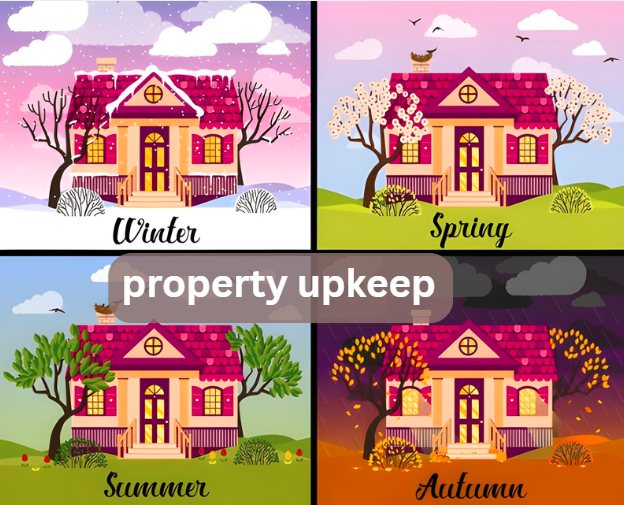
This guide covers 10 practical checklist items spread across all four seasons. Whether you own a single-family home, manage a rental, or are a first-time buyer still figuring things out, these are the tasks that actually matter. Skip them long enough and you will pay for it. Stay consistent and your home holds its value year after year.
Why Consistent Property Upkeep Saves You More Than You Think

Most people see home maintenance as a cost. It is actually the opposite.
Each year, homeowners should budget between one and four percent of their property’s value for maintenance. When you weigh it against the expense of emergency repairs, it seems excessive.A burst pipe alone runs hundreds to thousands of dollars. A neglected roof can compromise an entire structure over time.
The difference between reactive and proactive property upkeep is simple. Reactive means waiting for things to fail. Proactive means following a seasonal schedule so issues get caught early. For those involved in real estate maintenance or facility management , this distinction is what separates well-run properties from problem ones. A furnace filter costs a few dollars. Replacing a failed furnace mid-winter costs several thousand.
Spring Property Upkeep: Wake the House Up Right
The most crucial time of year to maintain a property is in the spring.Winter puts stress on a home you cannot always see from inside.
1. Inspect the Roof and Gutters After Winter
The roof takes the full force of winter storms and freeze-thaw cycles. Walk around the exterior and look for missing shingles, lifted flashing, or visible sagging.
Clean your gutters fully. One of the most frequent causes of structural damage in US homes is standing water close to the foundation, and blocked gutters prevent effective drainage. Water should be directed by downspouts at least four to six feet away from the foundation. For those following apcroofing tips recap recommendations, spring inspection is always the first step in any annual roofing maintenance plan.
2. Check for Water Damage and Foundation Cracks
After the ground thaws, walk around the foundation. Look for new cracks or areas where soil has shifted. Inside, inspect the basement for moisture, mold, or water staining. Water damage found early is manageable. Found a year later, it becomes a major project.
3. Service the HVAC System Before Summer
Spring is the right time to service your AC before summer demand hits. Replace filters, clean the condenser unit, and check airflow through vents.An HVAC system that is properly maintained lasts far longer and consumes less energy.
Summer Property Upkeep: Focus on the Exterior
Summer gives you the best conditions for outdoor work. This is the season to address your home’s exterior.
4. Inspect and Repair Exterior Walls and Siding
Examine the exposed wood, paint, and siding as you walk the entire perimeter. Peeling paint exposes wood to moisture and leads to rot. Cracks in stucco or gaps in brick mortar let water in. Fix what you find before fall arrives.
5. Maintain Landscaping and Yard Drainage
Branches touching the roof can damage shingles and give pests a path into the attic. Tree roots near the foundation cause cracks over time. Trim back any growth contacting the house.To direct water outward, make sure the earth slopes away from the foundation.
6. Test Safety Devices Throughout the Home
Every carbon monoxide alarm and smoke detector should be tested. Replace batteries and check manufacture dates. Most detectors need replacing every seven to ten years. Check fire extinguishers at the same time. This is basic property upkeep, but the home approach puts safety checks on the same level as any structural maintenance task.
Fall Property Upkeep: Prepare Before the Cold Arrives
Fall is your last chance to get ahead of winter. What you handle now determines how smoothly the cold months go.
7. Service the Heating System
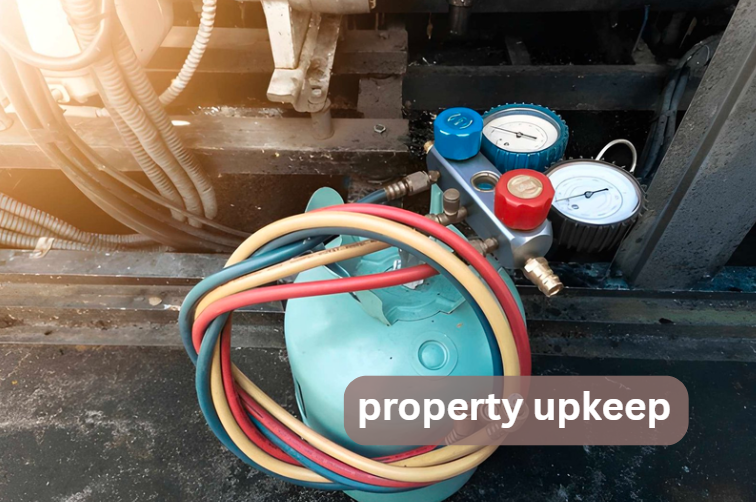
Have your furnace professionally serviced before temperatures drop. Bleed radiators if needed. Replace filters. A heating system that fails in January is not just an inconvenience.It is a safety concern in many areas of the United States. The expense of emergency winter service is far higher than that of catching a faulty component in October.This is one area where building focuses its fall preparation guidance.
8. Seal Windows, Doors, and Gaps
According to the US Department of Energy, between 25 and 40 percent of the energy used in a typical home for heating and cooling comes from air leaks.Walk through the house and feel around window frames, door edges, and exterior wall outlets. Use caulk and weather stripping to seal what you find. The energy savings show up immediately on your heating bill.
Winter Property Upkeep: Protect What You Cannot Afford to Lose
Winter puts pressure on pipes, roofs, and heating systems at the same time. Good winter home care means staying alert and acting fast.
9. Protect Your Pipes from Freezing
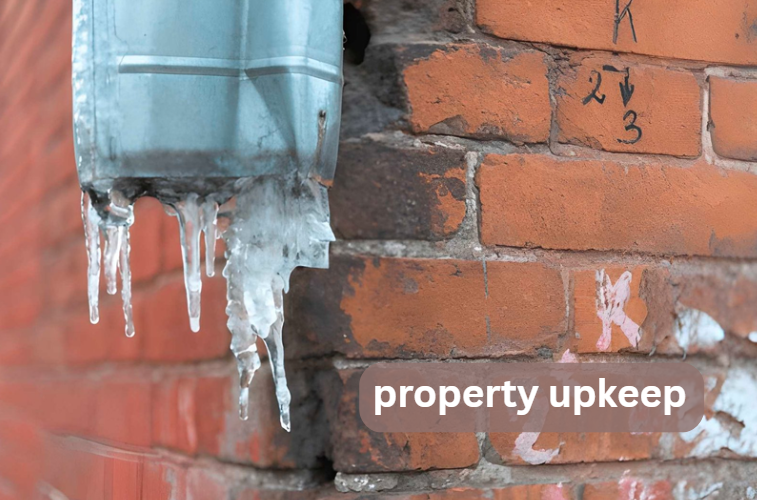
Water inside a pipe expands when it freezes.When it thaws, the pipe can burst and flood whatever is below. Insulate exposed pipes in the garage, basement, and attic. During extreme cold, let faucets on exterior-facing walls drip slightly.
10. Clear Snow and Monitor the Roof
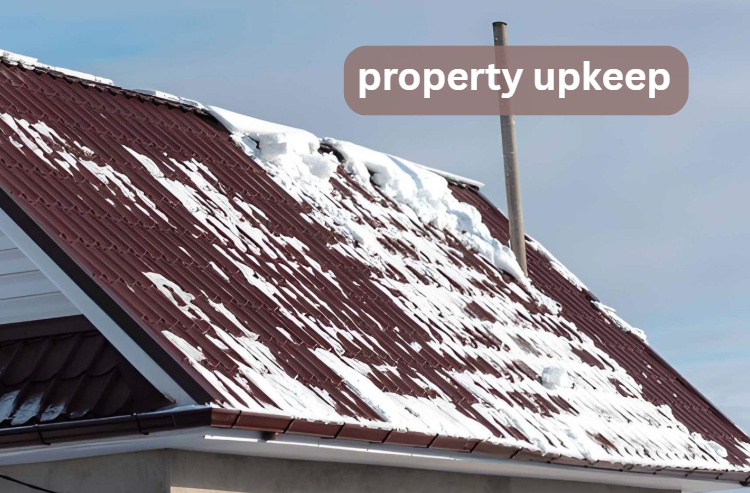
Water may be forced under shingles and into the house by ice dams at the roof’s edges.After strong storms, use a roof rake from the ground to remove snow. Keep driveways and walkways free of ice. This protects the property and reduces liability for visitors.
How to Make Property Upkeep a Habit

The reason most homeowners fall behind is not laziness. It is having no system. When there is no schedule, tasks pile up until something fails and forces your hand.
Divide the checklist into four seasonal blocks. Assign tasks to specific months. Set phone reminders. Handle what you can yourself and call a professional for structural work, electrical systems, or anything at roof height. Property management professionals consistently rank this kind of scheduled approach as the single most effective way to protect a home long term.
Budgeting is also important. Every year, put one to two percent of the value of your house into a maintenance fund. When the furnace needs replacing or the roof needs new shingles, the money is already there and you are not scrambling.
The Long-Term Value of Staying Ahead

Consistent home maintenance does something beyond preventing repairs. It protects and raises your home’s worth. Compared to similar properties with neglected care, well-maintained homes sell more quickly and for greater prices.
For homeowners planning to sell someday, every season of documented upkeep becomes an asset. Buyers notice the condition of the roof, the HVAC system, the foundation, and the plumbing. A home that shows years of care communicates value that no fresh coat of paint can substitute.
For those planning to stay,regular house care is simply the cost of living well in the home you have worked hard to own.
Final Thoughts
Ten tasks across four seasons is manageable for any homeowner. The key is consistency over intensity. A little attention each season goes much further than a frantic catch-up project every few years.
Let’s start with the season you are currently in. Go over the pertinent things on this checklist. Then, when the time comes, go on.Over a year or two, this becomes routine, and your home will show it. Follow Brendan for more property tips.