
Two homes on the same street can list nearly the same size and sell for very different prices. Often the reason is a number nobody checked. Your tax record says 2,100 square feet, the old listing said 2,400, and the finished basement may not count at all. That gap matters, because square footage feeds your property tax bill, your appraisal, and the price buyers are willing to pay. So how can owners verify the accuracy of their property’s official square footage? You compare public records against a fresh measurement, using one consistent standard. This guide explains why records disagree, which sources to check first, how to measure the right way, what to count and what to leave out, and how to fix an error once you confirm it. You’ll finish knowing which step to take next and when to hire a professional.
What is a property’s “official” square footage?
There is no single national official figure. The number on your county assessor’s record is usually the one that affects taxes, but it can come from old permits, past appraisals, or drive-by estimates. Appraisers and agents may report a different number using their own method.
Why the numbers disagree
| Source | Typical origin | Common problem |
|---|---|---|
| County assessor | Permits, field visits, older records | Missing additions or outdated data |
| MLS listing | Agent or seller entry | Rounded up, may include unfinished space |
| Appraisal | Appraiser’s measurement | Follows lender standards, excludes some areas |
| Builder plans | Original design | Differs from the finished house |
| Online estimates | Public data scraping | Copies older errors |
Step-by-step verification
- Pull the assessor record. Most counties publish property cards online. Note the living area, basement, garage, and year built.
- Compare against other documents. Check your closing papers, last appraisal, and original floor plan.
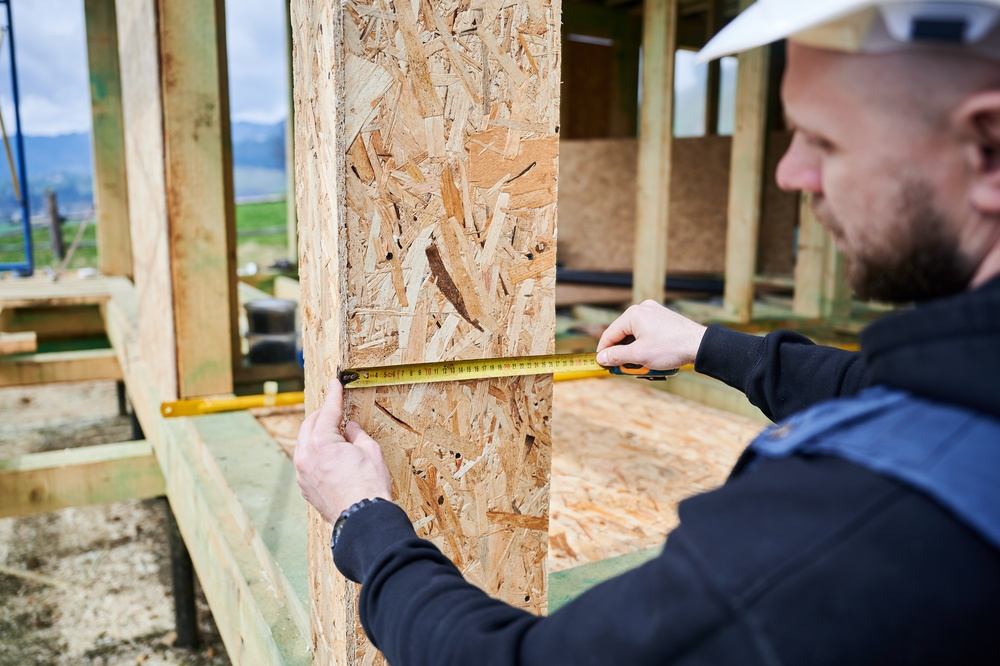
- Measure the home. Use a laser measure or hire a pro.
- Apply a standard. ANSI Z765 is the common US standard for measuring single-family homes, and Fannie Mae requires it for appraisals.
- Calculate the difference. A gap of a few percent can come from measurement method. A larger gap needs follow-up.
- Report it. Contact the assessor if the record is wrong.
What counts and what doesn’t
Under ANSI-style measuring, finished, heated space with proper ceiling height generally counts when it sits above grade. Local practice varies, so confirm with your appraiser or assessor.
| Space | Usually counted in living area? |
|---|---|
| Finished main and upper floors | Yes |
| Finished attic with adequate ceiling height | Often yes |
| Finished basement below grade | No, listed separately |
| Garage | No |
| Unfinished areas | No |
| Enclosed porch with heating | Sometimes |
| Stairwells | Counted once, on the lower level |
Who can measure for you
| Option | Best for | Typical consideration |
|---|---|---|
| DIY laser measure | Quick check of a rough gap | Easy to misapply the standard |
| Licensed appraiser | Refinance, dispute, sale | Higher cost, accepted by lenders |
| ANSI-certified measuring professional | Listings and records | Check their credentials |
| Architect or surveyor | Permit-related issues | Best for additions and plans |
How to correct an error
| Situation | Next step |
|---|---|
| Assessor shows too much space | File a correction or appeal before your county’s deadline |
| Assessor shows too little | Expect a tax increase if corrected, so weigh your options |
| Unpermitted addition appears | Talk to the building department about permits |
| Listing is wrong | Ask your agent to fix and disclose the standard used |
Bring your measurements, sketch, and photos. Deadlines for appeals vary by county, often tied to the annual assessment notice, so check yours early.
FAQ
Is the tax record always correct?
No. It can contain errors, outdated data, or different counting rules than an appraisal.
How much difference is normal?
Small gaps from rounding or wall thickness are common. A difference of several percent or more is worth investigating.
Can I measure my own house?
Yes, for a rough check. For a dispute, sale, or loan, a certified professional’s report carries more weight.
for more information visit https://activepropertycare.us/