


Property care fails most often not because homeowners lack effort, but because they lack a system. A furnace that breaks in January didn’t fail overnight — it failed because a filter went unchanged for eight months and a service call got skipped the previous spring. That pattern repeats itself constantly across residential properties in the United States.
Good how to guides don’t just tell you what to do. They tell you when to do it, what tools you need, and — critically — when to stop and call a licensed professional instead. That last distinction is where most DIY mistakes happen.
This guide covers the full picture: a seasonal maintenance calendar, system-by-system breakdowns, a DIY-versus-professional decision framework, and the overlooked tasks US homeowners skip until the damage is already done.
Seasonal Property Care Schedule: What to Do and When
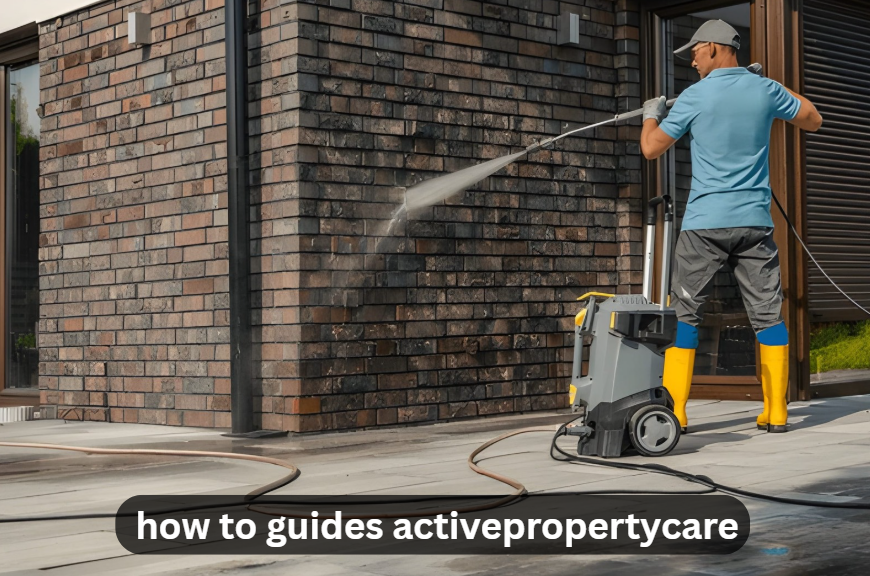
Most tasks have a right season. Doing them out of sequence either misses the window of effectiveness or creates problems — weatherizing before a roof inspection, for example, traps moisture you haven’t identified yet. The table below maps the key tasks to their correct season for US climates:
| Season | Priority Tasks | Why This Season |
| Spring | Roof inspection, gutter cleaning, HVAC service (cooling), check for winter moisture damage, test sump pump | Assess winter damage before summer heat; prep cooling systems before peak demand |
| Summer | Exterior paint touch-ups, deck and fence inspection, window caulk check, landscaping maintenance | Dry conditions ideal for exterior repairs; caulk and sealants cure properly in heat |
| Fall | HVAC service (heating), gutter cleaning after leaf drop, weatherization, chimney inspection, drain pipe check | Last window before freeze; heating systems need service before first cold night |
| Winter | Pipe insulation checks, snow and ice management, interior inspection of attic and crawl spaces, smoke/CO detector test | Cold amplifies small vulnerabilities fast; indoor systems need attention during heavy use |
Regional variation matters here. A homeowner in Phoenix has no use for snow and ice management guides, but needs to understand monsoon-season drainage checks. Someone in Minnesota needs to know the freeze-point thresholds for pipe insulation. Good how to guides are built for your region, not averaged across the whole country.
how to guides activepropertycare : System-by-System Breakdown

Every property runs on the same core systems. Here’s what the maintenance guides for each one need to cover:
HVAC
Filter replacement every 1–3 months depending on household size and pets. Annual professional service before each peak season — once for cooling, once for heating. Signs the system needs attention before the scheduled service date: unusual sounds, uneven temperatures between rooms, or a spike in energy bills without a corresponding change in usage.
Plumbing
Monthly: check under sinks for drips, test water pressure, and run water in rarely used fixtures to prevent trap evaporation. Annually: flush the water heater to remove sediment buildup, inspect supply line hoses on washing machines and dishwashers, and check the main shutoff valve to confirm it operates correctly. Knowing where your main shutoff is before a pipe bursts is not optional — it’s the difference between a managed problem and a flooded floor.
Electrical
Monthly GFCI outlet tests in kitchens, bathrooms, and outdoor locations. Annual inspection of visible wiring in attic and crawl spaces for signs of pest damage or insulation degradation. Any work involving the electrical panel, adding circuits, or fixing wiring inside walls requires a licensed electrician. This is a non-negotiable line in responsible property care.
Roof and Gutters
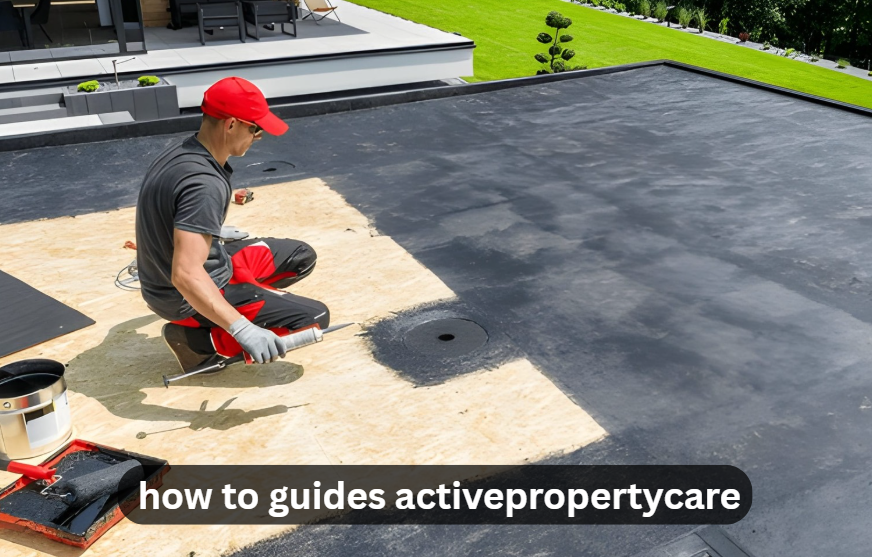
Twice-yearly gutter cleaning — after spring pollen and after fall leaf drop. Roof inspection after major storms and as part of spring and fall routines. Look for missing or curling shingles, damaged flashing around chimneys and vents, and soft spots that suggest underlying moisture. Most roofs don’t fail catastrophically — they fail through a year of small issues that compound.
Foundation and Crawl Space
This is the most overlooked area in US propertycare. Annual visual inspection for cracks wider than a hairline, water stains, or efflorescence (white mineral deposits indicating water movement). Crawl space moisture levels should stay below 50% relative humidity. A vapor barrier and adequate ventilation are the two controls that prevent most crawl space problems from developing.
The DIY vs. Professional Decision: Where Most Homeowners Go Wrong
The single most valuable thing any set of how to guides activepropertycare can do is draw a clear line between what homeowners should handle themselves and what requires a licensed professional. Getting this wrong costs money in both directions — paying for professional work you could safely do yourself, or attempting work that requires a license and creating liability or safety problems.
| Task | DIY Safe? | Notes |
| HVAC filter replacement | Yes | Simple, monthly task — no tools required beyond the replacement filter |
| Gutter cleaning | Yes (single-story) | Two-story or steeper pitch — use a professional to avoid fall risk |
| Caulking windows and doors | Yes | Straightforward; use exterior-grade silicone for outdoor applications |
| Water heater flushing | Yes | Annual sediment flush — follow manufacturer’s steps; gas units require extra caution |
| Electrical panel work | Never | Licensed electrician required; DIY panel work can void insurance and create fire risk |
| Gas line repairs | Never | Any gas system work requires a licensed plumber or HVAC technician |
| Structural modifications | Never | Load-bearing walls, beam work, and foundation repair require licensed contractors and permits |
| Roof repair (minor) | Situational | Replacing a few shingles on a low-pitch roof is manageable; anything structural is not |
Important: Unpermitted work on electrical, plumbing, and structural systems can void your homeowner’s insurance policy and create disclosure obligations when you sell. When in doubt, pull the permit. It costs less than the alternative.
Frequently Asked Questions
What should be included in how to guides activepropertycare?
Effective guides cover four areas: seasonal maintenance tasks mapped to your US region, emergency protocols for common failures, system-specific care for HVAC, plumbing, electrical, and structural components, and a clear DIY-versus-professional decision framework. Each task should include required tools, safety steps, and a realistic time estimate.
How often should US homeowners follow a property care schedule?
The rhythm is monthly for quick checks (HVAC filters, smoke detectors, visible leaks) and seasonal for deeper work. Spring and fall are the two highest-activity periods for most US climates. Annual tasks include roof inspection, water heater flushing, and crawl space checks.
Which property care tasks should never be DIY?
Electrical panel work, gas line repairs, structural modifications, load-bearing wall changes, and any work requiring a local permit should always go to a licensed professional. Attempting these tasks yourself can void homeowner insurance and create safety and legal liability.
What is the most overlooked property care task for US homeowners?

Crawl space and foundation inspection. Water intrusion and structural shifts in these areas develop slowly and go unnoticed for years. By the time symptoms appear upstairs — soft floors, musty odors, sticking doors — the repair bill is already large. Annual inspections cost a fraction of what remediation costs after neglect.
Building Your Own Property Care System
Bottom line: The best how to guides activepropertycare aren’t the most detailed — they’re the most usable. A seasonal checklist you actually follow beats a 40-page manual you read once and shelve. Start with the four core systems (HVAC, plumbing, roof, foundation), assign each task to a calendar date, and add the professional appointments before you need them rather than after something breaks. Follow Brendan for more property tips.