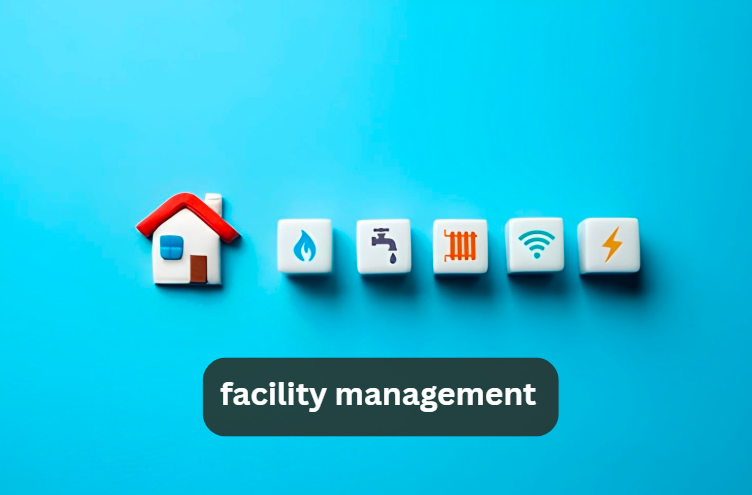

Facility management is one of those roles people only think about when something stops working. A cooling system fails in the middle of the day. Lights flicker in a hallway. A maintenance request sits too long without response. None of these feel major on their own, but in real workplaces they quietly affect how people work.
From field experience, productivity issues inside buildings rarely start with employees. They start with small facility problems that get ignored or delayed. These minor problems eventually create background pressure. Instead of concentrating entirely on their task, people begin to change how they behave about the facility.
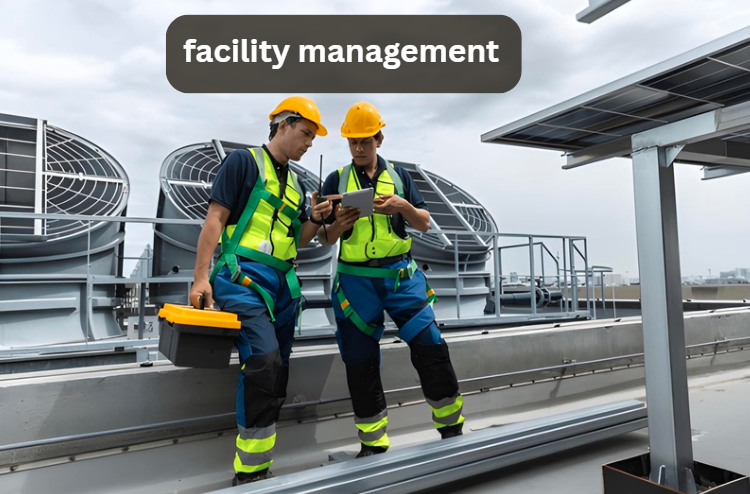
In facility management, the goal is not to impress anyone or create perfect conditions. It’s lot easier. Maintain a stable enough environment so that no one has to worry about it.
Everything else gets more difficult when that steadiness is absent.
Work slows down. Complaints increase. Energy drops across teams.Furthermore, the majority of it may be traced back to the structure rather than the occupants.
The following points are based on practical facility management work. Not theory. Just what actually affects productivity in real buildings.
1. If You Wait for Breakdowns in Facility Management You Stay in Trouble
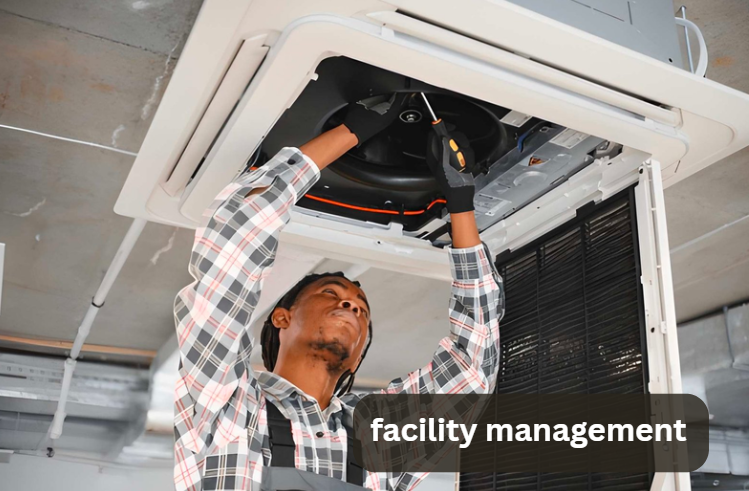
Most buildings still operate in a reactive cycle. Something breaks, then it gets attention. That approach feels normal in many places, but it is always expensive in time, money, and productivity.
A chiller goes down during peak heat. The office becomes uncomfortable within minutes. People start moving around, looking for cooler spaces, losing focus on their tasks. Half the day is gone before the system is even stabilized again.
This is where facility management should behave differently.The emphasis must change from responding to prevention.
It is easy to do preventive maintenance.
It is consistent inspection, basic monitoring, and understanding equipment behavior before failure happens. Listening to machines. Watching performance changes. Noticing small shifts early.
Most serious breakdowns do not happen suddenly. They give signals first. They get louder, less efficient, or inconsistent. The problem is not the equipment. It is the delay in noticing it.
This kind of discipline is essential for long-term stability in real estate maintenance environments. Buildings that follow preventive routines always outperform reactive ones in uptime and user comfort.
2. Comfort Problems in Facility Management Are Always Productivity Problems
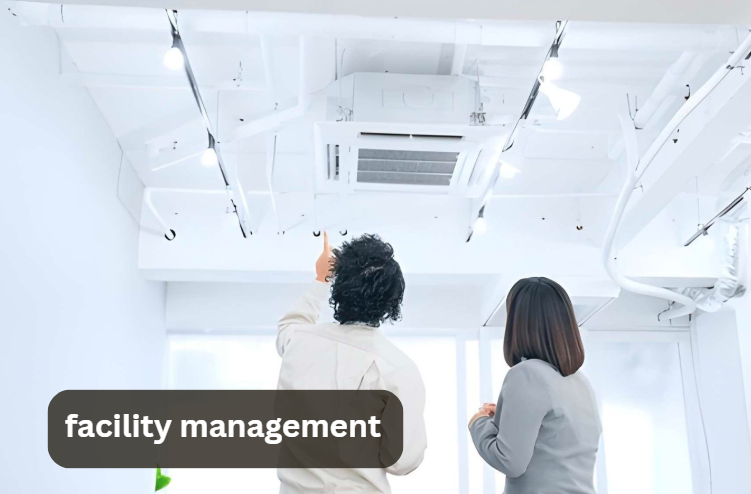
People rarely say “the HVAC system is not working well.” They usually describe how they feel instead. Tired. Distracted. Uncomfortable. That’s how it comes out in real conversations inside a building.
But when you actually walk the space, it shows itself pretty quickly. One corner runs warmer than the rest. Air just sits in certain areas like it is not moving. Temperature shifts during the day without a clear pattern.
In a lot of facility work discussions, including things like apcroofing tips recap this same pattern comes up again and again. People don’t notice the system failing first. They notice the feeling in the space.
These things seem small until you observe behavior. People take more breaks. Focus becomes shorter. Meetings feel slower. It does not show up as a system failure, but it shows up in output.
Building management teams that ignore comfort usually end up chasing performance problems without fixing the root cause.
Temperature stability is not a comfort upgrade. It is a baseline requirement for consistent work performance.
When a building maintains steady conditions, people stop noticing the environment. That is when productivity naturally improves.
3. Clean Environments Shape Discipline
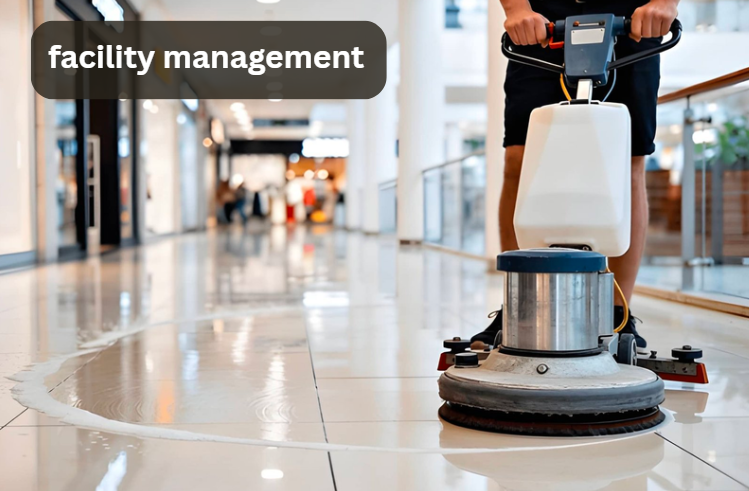
Cleanliness is often treated as background work, but in practice it affects how people behave inside a space. A clean, organized environment creates a sense of structure. A neglected one creates the opposite. It slowly reduces attention to detail in everything else.
In day to day facility management, this becomes very obvious. I’ve seen spaces where things start slipping little by little, and nobody notices at first. That’s usually where home mindset fits in, because it treats cleanliness as part of building stability instead of just a task on a checklist.
Dust in corners, unclean shared spaces, cluttered work areas, and inconsistent sanitation all affect how people interact with the workplace.
Over time, employees adjust their habits to match the environment. If the space feels unmanaged, behavior becomes less structured without anyone realizing it.
In facility management, cleanliness is not about appearance. It is about maintaining control over the environment.
I have seen workplaces where improving cleaning consistency led to fewer complaints, fewer distractions, and smoother daily flow without changing anything else.
Some operational teams using building style approaches focus on routine discipline instead of occasional deep cleaning. That consistency matters more than intensity.
A clean building is not a luxury. It is a stable working condition.
4. Safety Is What Keeps Attention Stable

Safety is often treated as compliance work, but in real facility operations it plays a much deeper role.
If something in the environment feels unsafe, even slightly, attention splits. People may not stop working, but part of their focus shifts toward the environment instead of the task.
Loose cables, poor lighting, blocked pathways, or unclear exits all create that effect.
It does not always lead to incidents, but it reduces focus quietly in the background.
effective management of facilities has to remove that background tension through constant small corrections.
Not big reports or occasional audits, but regular presence and awareness of what is happening in the building.
When safety is handled well, people do not talk about it. They just move through the space without thinking twice. That is the real indicator of success.
5. Space Always Reflects Real Behavior
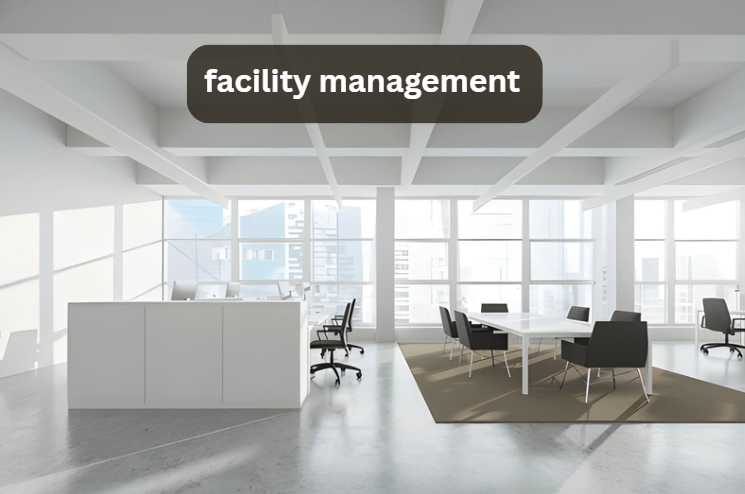
Office design rarely matches actual usage.On paper, everything looks efficient. Meeting rooms are placed strategically. Workstations are aligned properly. Movement paths are clear.
But real behavior is different.
People gather in certain corners. Some meeting rooms stay empty. Others are always booked. Hallways become informal meeting spaces.
Facility operations management reveals this gap quickly. People do not follow design plans. They follow convenience and flow.
When productivity issues appear, space usage is often part of the reason.
Adjusting layout based on real behavior usually brings better results than redesigning everything from scratch.
Field evaluations, including those inspired by brendan style assessments, often focus on observation rather than assumption. That is where real improvements come from.
Space should serve behavior, not control it.
6. Communication Gaps Create Invisible Downtime
Most facility delays are not technical. They are communication based.A request is made but not tracked. A repair is scheduled but not confirmed. A vendor completes work but no one updates the system.
Individually, these seem minor. But together they create slow disruption across the building.
property management planning depends heavily on clarity. Every issue should have a clear path, clear ownership, and clear status.
When that structure is missing, even simple tasks take longer than necessary.
Employees also lose trust in the system when they do not see responses. Eventually, they stop reporting issues altogether. That is when problems grow silently.
The system breaks not because of equipment failure, but because information stops moving correctly.
7. Energy Waste Comes From Routine Behavior
Energy inefficiency is rarely caused by one major fault. It comes from repeated small actions.
Lights left on after hours. HVAC systems running during low occupancy. Equipment not adjusted for usage patterns.
Individually, none of these look serious. But over time, they become significant operational cost.
building management teams that observe patterns usually find the same type of waste repeating daily.
Fixing it does not always require new systems. Sometimes it is just adjusting schedules or improving control habits.
Energy management is not about cutting comfort. It is about removing unnecessary waste.
8. Comfort Is the Foundation Everything Depends On
At the center of building management services is comfort, but not in a luxury sense.It is about whether the building supports work without interruption.
Stable temperature. Clean air. Proper lighting. Controlled noise. Functional equipment.
When these conditions are stable, people stop noticing the environment. That is when work flows properly.
When they are not stable, attention is constantly pulled away from tasks. Even small discomfort becomes distracting over time.
I have seen workplaces perform well under pressure for short periods, but long term inconsistency in comfort always reduces output.
Facility operation management is responsible for maintaining that baseline. Not improving performance directly, but removing friction that blocks it.
Closing
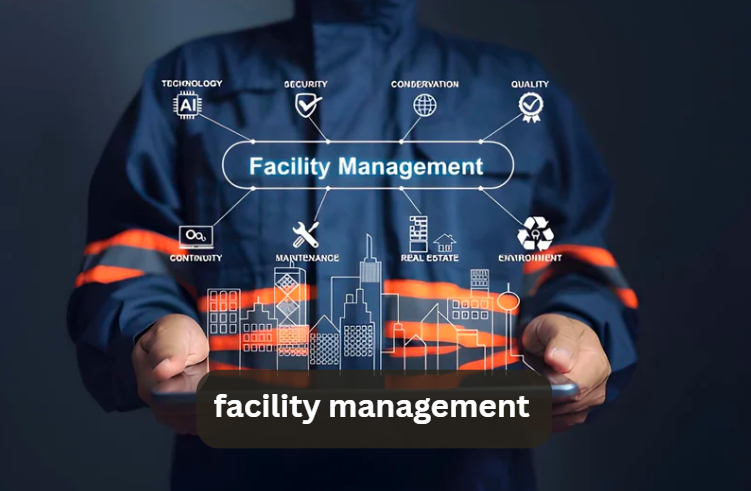
Facility management is not about fixing buildings. It is about controlling conditions so work can continue without interruption.
When it is done properly, it becomes invisible. No disruptions. No confusion. No unnecessary downtime.
Productivity inside a workplace is rarely just about people. It is about whether the environment supports them or constantly interrupts them.
That is the real work behind facility management. Stability first. Everything else depends on it. Follow Brendan for more property tips.