
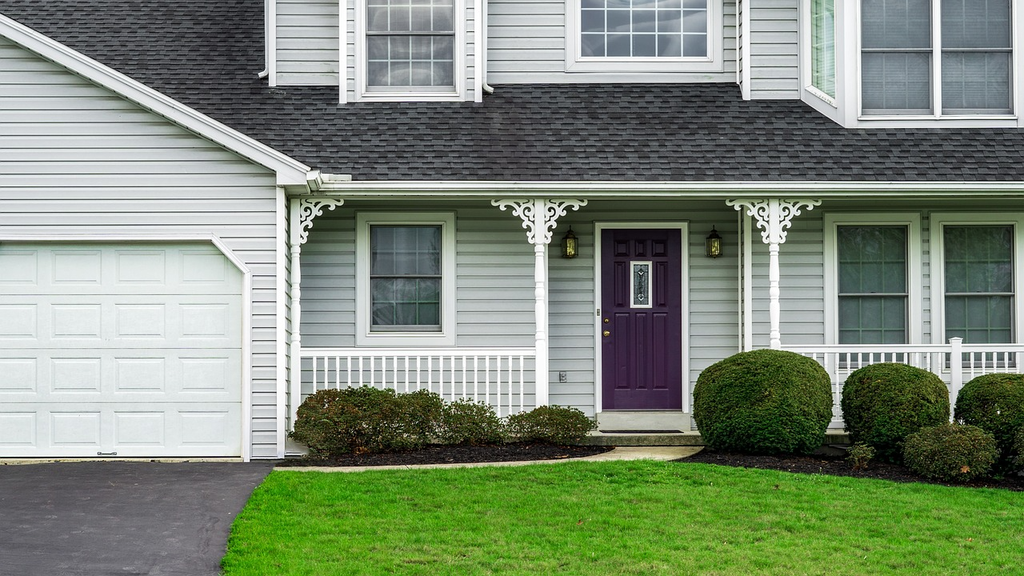

A couple buys a tidy house, orders a six-foot privacy fence, and gets a letter from a neighbor two weeks later. The fence breaks a rule in a document they never read. This is how most people meet restrictive covenants attached to residential properties: after the money is spent. These are recorded rules that run with the land, so every owner inherits them, whether or not they signed anything. They can control paint colors, fences, rentals, parking, home businesses, and what you can build. This guide explains what restrictive covenants are, where to find them, what they commonly limit, how they get enforced, and the limited ways to change or end them. You’ll know what to check before you buy, what to do if you already own, and when a real estate attorney is worth the fee.
What is a restrictive covenant?
A restrictive covenant is a recorded rule that limits how a property can be used or changed. It is usually written into a deed, subdivision declaration, or homeowners association (HOA) document, and it generally binds current and future owners. Courts can enforce it through injunctions or fines.
What covenants commonly limit
| Category | Typical rule | Example impact |
|---|---|---|
| Appearance | Exterior colors, roofing, landscaping | Repainting needs approval |
| Structures | Fences, sheds, additions, height limits | Backyard plans may be blocked |
| Use | Single-family only, no business use | Home business may violate rules |
| Rentals | Short-term bans, minimum lease terms | Affects investors and relocating owners |
| Vehicles | No RVs, boats, or commercial trucks | Parking limits |
| Pets | Number, size, or breed rules | Matters for families with animals |
| Solar and energy | Review or location limits | Some states restrict how far these rules can go |
Covenants, easements, and zoning
| Feature | Restrictive covenant | Easement | Zoning |
|---|---|---|---|
| What it does | Limits use | Grants access rights | Regulates land use by law |
| Created by | Developer, seller, or HOA | Agreement, use, or statute | Local government |
| Enforced by | Neighbors or HOA, in court | Holder of the easement | City or county |
| Can conflict with the others | Yes | Yes | Yes |
Both a covenant and zoning can apply at once. A city permit does not erase a covenant.
How to find them
- Review the title commitment and ask for copies of every recorded exception.
- Read the full recorded documents, not just the summary.
- Request the HOA’s declaration, bylaws, rules, and architectural guidelines.
- Check the county recorder’s office for plat notes.
- Ask your attorney to flag anything tied to your plans.
How enforcement works
| Enforcer | Typical action |
|---|---|
| HOA | Warning letters, fines, liens in some states |
| Neighbors | Lawsuit seeking an injunction or damages |
| Developer or covenant holder | Enforcement if the document gives them that right |
| Courts | Orders to stop or remove violations |
Missing the first notice can raise fines, so respond quickly and keep copies of your replies.
How covenants can change or end
| Path | How it works |
|---|---|
| Expiration | The document sets a term, or renewal is required |
| Amendment | Owners vote under the stated procedure |
| Waiver or abandonment | Violations were widespread and ignored for years |
| Changed conditions | A court finds the restriction no longer serves its purpose |
| Statute | Some states limit or void certain covenants |
Racially discriminatory covenants remain in many old deeds but are unenforceable under Shelley v. Kraemer (1948) and the Fair Housing Act. Many states now provide ways to formally strike that language from records.
FAQ
Can a covenant stop me from building something the city approved?
Yes. Zoning approval does not override a recorded covenant.
Do covenants hurt property value?
They can protect neighborhood standards or limit uses. The effect depends on your plans.
Can I ignore a covenant if nobody enforces it?
It is risky. Enforcement can come years later, and courts require proof before treating a rule as abandoned.
for more information visit https://activepropertycare.us/