

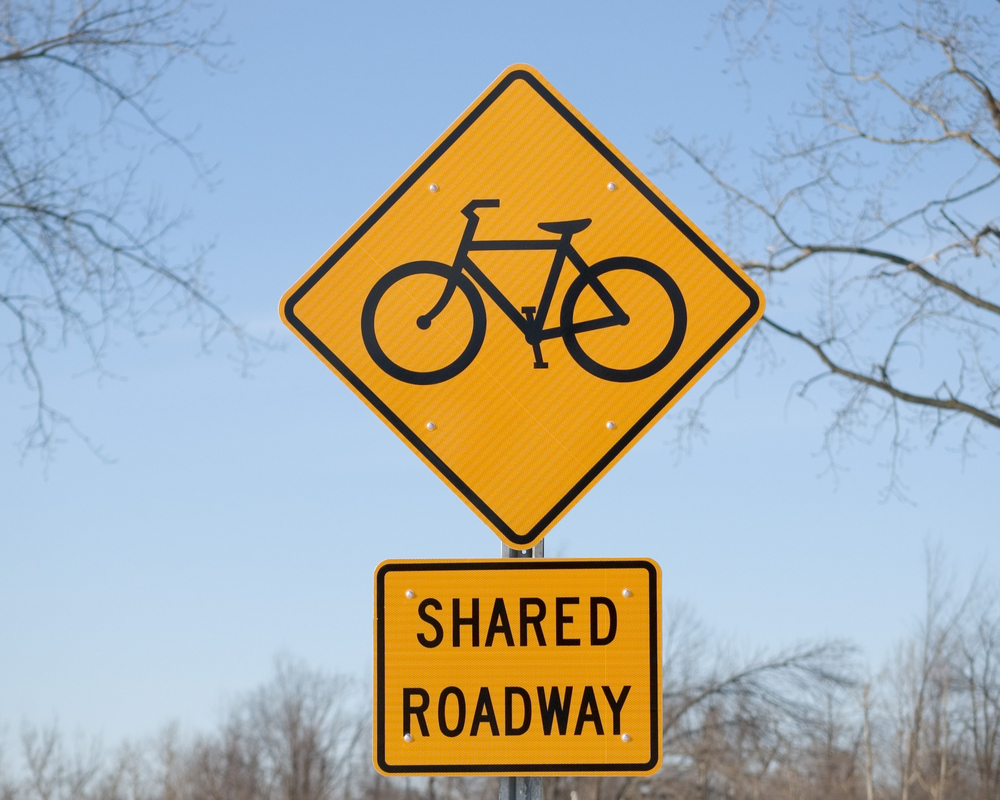
A shared road can be the quiet charm of a property or its biggest hidden risk. The house may be lovely, but the only way in could be a gravel lane that crosses three other people’s land, with no clear rule about who plows it, who repairs it, or what happens when a neighbor refuses to pay. If you are asking what buyers should know about properties with shared access roads, the answer comes down to two separate questions: do you have a legal right to use the road, and who is responsible for keeping it usable?
Those are different questions with different documents. The first is answered by a recorded easement. The second is answered by a road maintenance agreement, if one exists. Many owners discover they have the first but not the second.
On a private road, nobody is sending a public crew. As one lender resource puts it, there is no snow plowing or pothole patching at taxpayer expense, and the people who live on the road handle maintenance, snow removal, and mowing.
This article is general information for US buyers, not legal advice. State law and lender rules vary. It covers a quick answer, a documents table, lender rules, a due-diligence checklist, mistakes to avoid, and a short FAQ.
What should buyers know about shared access roads?
Confirm that a recorded easement gives your property legal, permanent access to a public road, and read any road maintenance agreement for cost sharing, snow removal, and dispute rules. Inspect the road’s condition, ask neighbors about past disputes, and check your lender’s access requirements. Without a written agreement, you may have no way to compel neighbors to contribute.
Which documents matter?
| Document | What it does |
|---|---|
| Recorded easement | The most secure form of road access is a written, recorded easement in the deed or a separate deed of easement filed in the land records |
| Title commitment | A buyer’s title search should identify the easement, and the title company should disclose it |
| Road maintenance agreement | A recorded document that allocates maintenance responsibilities among all parties who use and benefit from the road |
| HOA documents | Private streets can instead be owned and maintained by a homeowners association |
| Easement by necessity | Arises when a parcel is landlocked and the shared road is the only available access |
What do lenders require?
Rules differ by loan type, and VA rules changed recently.
| Loan | Access requirement |
|---|---|
| VA | As of Nov. 25, 2022, VA no longer requires a maintenance agreement from an HOA or a joint maintenance agreement among homeowners |
| VA, also | All that is needed is a recorded permanent easement or right-of-way in the loan file |
| FHA | Private streets must be protected by permanent recorded easements, ownership interest, or be owned and maintained by an HOA; shared driveways do not require a joint maintenance agreement |
| USDA | Private roads must have a permanent recorded easement or HOA maintenance, and evidence of a road maintenance agreement is not required |
| Freddie Mac | The property must have legal access and year-round access |
Lenders may still ask for more, so confirm early with yours.
What can go wrong without an agreement?
| Risk | Detail |
|---|---|
| No cost sharing | Without a shared maintenance agreement, one party cannot legally compel the others to contribute to road improvements in Virginia, even if all benefit |
| Vague easement wording | An easement that grants “the right to use the access road” without maintenance terms creates ambiguity |
| Holdouts | Under some lender rules, one holdout can hold up a loan |
| Blocked access | Access disputes are litigation-prone and can lead to temporary or permanent loss of practical access |
| Self-help | Removing an obstruction without a court order can create liability |
What should you check before you buy?
| Step | Action |
|---|---|
| 1 | Read the recorded easement, and confirm it benefits your parcel |
| 2 | Get the road maintenance agreement, cost history, and any unpaid balances |
| 3 | Check whether the agreement binds future owners and covers new lots created from existing parcels |
| 4 | Ask about snow plowing, paving, drainage, and emergency access |
| 5 | Walk or drive the road in poor weather if possible |
| 6 | Talk to neighbors about disputes and payments |
| 7 | Ask your lender about access requirements |
| 8 | Have a real estate attorney review the documents |
What mistakes should you avoid?
- Assuming public maintenance. On a private road, owners usually carry the cost.
- Relying on a handshake. Verbal deals do not bind future owners.
- Ignoring the neighbors. A well-documented right can still be contested in practice.
- Skipping the title review. Missing easements can derail a closing.
Frequently asked questions
Do you need a road maintenance agreement?
It is wise even if your lender does not require one.
Who pays for plowing?
It depends on the agreement. Without one, costs may fall unevenly.
Can neighbors block your access?
Not if you hold a valid easement, but disputes can still be costly.
Bottom line
Confirm legal access in a recorded easement, find or create a written maintenance agreement, inspect the road, and check lender rules before you commit. Have an attorney review the paperwork.
for more information visit https://activepropertycare.us/