

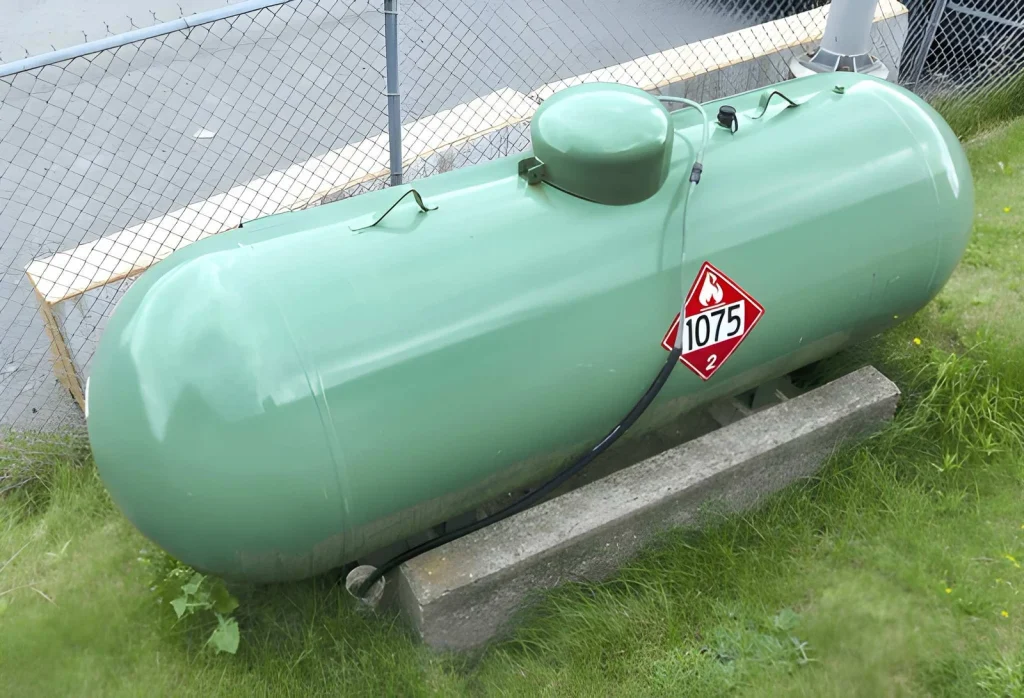
Installing a propane tank takes more than choosing a convenient spot in the yard. Tank size, location, access, appliance needs, local codes, and future maintenance all affect safety. This guide explains the key decisions homeowners should make before installation so the propane system can operate safely and reliably over time.
Propane can power heating equipment, water heaters, cooking appliances, fireplaces, generators, grills, pools, spas, and other household needs. However, the tank that supplies those appliances must be installed with careful attention to safety. Good planning starts with choosing the right tank, selecting a suitable location, and making sure the site can be reached for installation and future refilling. Homeowners considering safe propane tank installation planning should work with trained professionals who understand local codes and proper propane system setup. A well-planned installation helps reduce avoidable risks while supporting dependable fuel delivery throughout the property for years to come and beyond.
Key Safety Factors to Review Before Installation
Every property has different space, access, and fuel requirements. A propane tank installation should begin with a careful review of the property so the tank, gas lines, and connected appliances can be positioned with safety and future servicing in mind.
Choose a Tank Size That Matches Your Needs
Tank size should reflect how much propane the household is expected to use. A smaller tank may work well for limited outdoor equipment, while a larger propane system may be more suitable when several appliances depend on the same fuel supply.
Before installation, identify everything that will use propane. This may include:
- Water heaters and cooking appliances
- Fireplaces or fire pits
- Whole-house generators
- Grills, pools, and spas
- Home heating equipment
Choosing an appropriate capacity can reduce unnecessary refilling while helping create a propane system suited to the property’s actual needs.
Decide Between Above-Ground and Underground Placement
Above-ground propane tanks remain visible and require enough open space for proper installation, inspection, and refilling. They can be a practical option when a property has sufficient space and convenient access.
Underground propane tanks keep most of the tank below the surface. Only the access area containing important valves and service components remains available above ground.
Neither option is automatically right for every home. Available space, property layout, service access, appearance preferences, and applicable installation requirements should all influence the decision.
Select a Safe and Accessible Location
Tank location is one of the most important parts of safe propane tank installation planning. Propane tanks cannot simply be placed wherever there is unused yard space.
The installer must consider required distances from the home, property boundaries, possible ignition sources, and other restricted areas. Applicable codes may establish specific clearance requirements based on the tank size and installation type.
Access is equally important. Fuel delivery personnel need a practical way to reach the tank when refilling is necessary. The placement should not create unnecessary obstacles for delivery vehicles or service technicians.
Preparing the Property for Propane Tank Installation
Preparing the site before installation can help reduce delays while giving technicians enough room to work safely. Homeowners should discuss preparation requirements with the installer rather than making assumptions about the tank location or foundation.
Clear the Installation Route
Vehicles, outdoor furniture, toys, gardening equipment, and other obstacles should be moved away from the route that technicians will use.
Children and pets should remain away from the work area during installation.
For an above-ground propane tank, the installation surface also needs to provide proper support. The foundation should be stable and suitable for the size and weight of the tank. A professional installer can determine what preparation is appropriate for the chosen system.
Review Appliance Connections and Gas Lines
Propane installation involves more than placing a storage tank on the property. Propane must travel safely from the tank through gas lines to the appliances that use it.
Before installation, technicians may need to review appliance locations, existing gas piping, planned connections, and ventilation requirements. Appliances should be correctly positioned and ready for connection where appropriate.
Professional installation helps make sure the complete propane system is properly connected and checked before regular operation begins.
Why Professional Installation Matters
Propane is a useful household fuel, but working with propane equipment requires proper training. Tank installation involves fuel storage, pressurized gas, piping, valves, regulators, appliance connections, and local safety requirements.
Follow Applicable Codes and Safety Requirements
Propane installation requirements can vary depending on tank size, location, property conditions, and local rules. Trained technicians understand how these requirements affect tank placement and system construction.
Trying to handle installation without the appropriate knowledge could create unsafe connections, improper clearances, or other problems that may not be immediately obvious.
Using qualified professionals also gives homeowners an opportunity to ask questions about operating the system, keeping the area accessible, and recognizing conditions that may require service.
Have the System Checked Before Regular Use
Once installation is complete, the propane system should be inspected and tested before normal operation.
Technicians can check important areas such as connections, gas lines, valves, and other system components. This final review helps identify problems before the system begins supplying fuel to household appliances regularly.
Homeowners should understand basic operating instructions before using newly connected propane equipment.
Safety Does Not End After Installation
A properly installed propane tank still requires ongoing attention. Keeping the system maintained can help protect fuel delivery equipment and identify problems before they become more serious.
Keep the Tank Area Accessible
Avoid surrounding the tank or service area with objects that make inspection or refilling difficult. Underground tanks also need continued access to the dome and valves above the surface.
Landscaping changes should be planned carefully so plants, structures, or other additions do not interfere with important propane equipment.
Watch for Signs That Professional Service Is Needed
Homeowners should not ignore unusual propane system behavior. Damaged components, suspected gas leaks, or unexpected operating problems should be evaluated by a qualified gas professional.
Repairs should not be treated as DIY projects. Propane systems contain specialized components that require the correct tools and knowledge.
Regular maintenance can also help keep tanks, gas lines, valves, and connected equipment functioning as intended.
FAQs
Can I install a propane tank myself?
Propane tank installation should be completed by trained and qualified professionals. Proper placement, gas connections, system testing, and compliance with applicable codes are important parts of safe installation.
Is an underground propane tank safer than an above-ground tank?
Both above-ground and underground propane tanks can be installed safely when proper requirements are followed. The right option depends on the property layout, available space, accessibility, and homeowner preferences.
How do I know what propane tank size I need?
Tank size depends largely on which appliances will use propane and how much fuel the household is expected to consume. A professional installer can review these needs and recommend an appropriate system.
Does the propane tank need to stay accessible?
Yes. Technicians need access for refilling, inspections, maintenance, and possible repairs. Landscaping, fencing, or other property changes should not block important service areas.
Should a new propane system be tested before use?
Yes. The completed system should be inspected and tested before regular operation. This gives technicians an opportunity to check gas lines, connections, valves, and other components.
The Bottom Line
Installing a propane tank safely depends on decisions made before the tank ever arrives. Homeowners should think carefully about tank size, above-ground or underground placement, required clearances, delivery access, appliance connections, and long-term service needs. Preparing the site and keeping the work area clear can also support a smoother installation. Most importantly, propane systems should be installed by trained professionals who understand applicable codes and safe gas-handling practices. After installation, regular maintenance and prompt attention to possible leaks or damaged components help protect the system over time. Keeping the tank accessible for refilling and service also makes future care easier. Homeowners should avoid making unapproved changes around the tank or gas lines and should schedule professional attention whenever system performance seems unusual. Careful safe propane tank installation planning gives homeowners a stronger foundation for dependable propane use, easier servicing, and safer operation throughout the life of the system.For more Carpet Options you can visit http://activepropertycare.us/
