
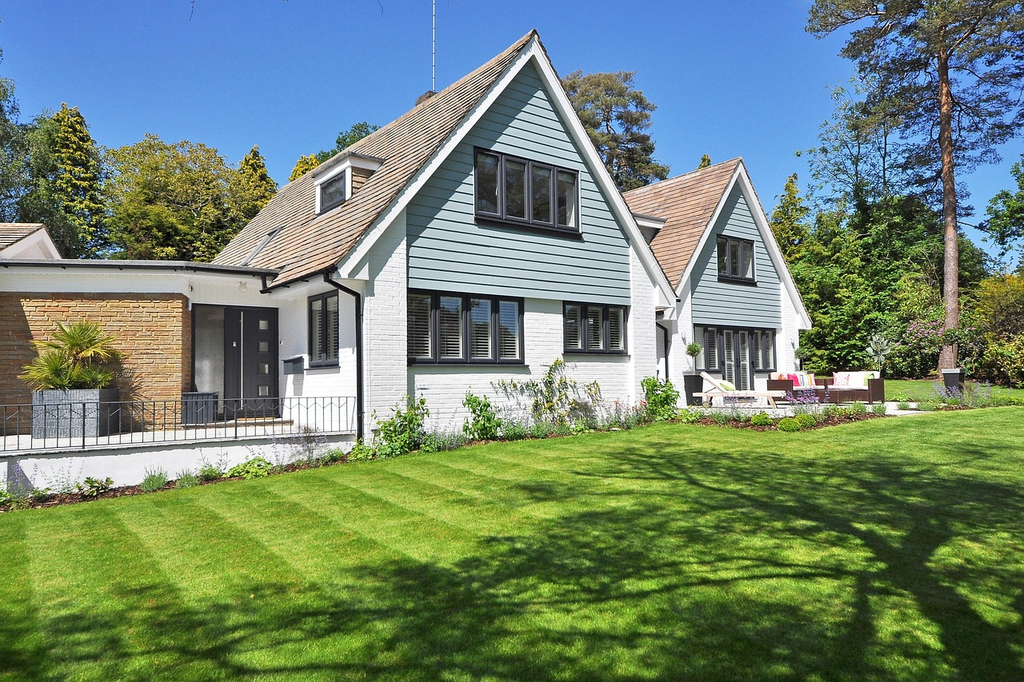

The buyers had already picked paint colors. Then the survey showed the neighbor’s fence sitting four feet inside the lot, and the neighbor said it had been there for thirty years. Closing slipped, the lender paused, and the price talks started over. This is how boundary disputes affect residential property transactions: quietly at first, then all at once. A disagreement over where one lot ends and another begins can delay financing, complicate title insurance, shrink the buyable land, and scare off other offers. Sellers face disclosure duties, and buyers inherit whatever problem they fail to catch. This guide explains what boundary disputes are, how they derail a sale, what each side can do, and which documents protect you. You’ll finish knowing the warning signs, the questions to ask, and when to call a real estate attorney or licensed land surveyor.
What is a boundary dispute?
A boundary dispute is a disagreement between neighbors, or between an owner and the records, about where a property line actually runs. It often involves fences, driveways, hedges, or structures near the edge of a lot, and can end in negotiation, mediation, or a lawsuit.
How disputes show up during a sale
| Stage | What can go wrong | Result |
|---|---|---|
| Listing | Seller knows of a dispute | Disclosure duty may apply, depending on state |
| Offer | Buyer spots a fence or shed over the line | Price pressure or contingency requests |
| Survey | Boundary markers differ from the deed | Delays and renegotiation |
| Title review | Exception for encroachments or survey matters | Limited insurance coverage |
| Lender review | Unclear lot size or access | Loan delay or denial |
| Closing | Dispute unresolved | Buyer walks, or deal closes with risk |
Common causes
| Cause | Why it creates conflict |
|---|---|
| Old or missing surveys | Markers moved or lost over time |
| Fences not on the line | Owners assume the fence marks the boundary |
| Encroaching structures | Garages, sheds, or driveways cross the line |
| Vague deed descriptions | “Metes and bounds” language open to interpretation |
| Adverse possession claims | Long, open use by a neighbor can create rights in some states |
| Shared driveways or easements | Use rights unclear or unrecorded |
Adverse possession and acquiescence rules differ widely by state, including how many years of use are required.
What each side can do
| Party | Smart moves |
|---|---|
| Buyer | Order a current boundary or ALTA/NSPS survey, add a survey contingency, review title exceptions, ask neighbors what they know |
| Seller | Disclose known issues, order a survey before listing, consider a written boundary agreement |
| Both | Get a licensed surveyor’s stamped map and have an attorney review any agreement before signing |
Ways to resolve it
- Talk first. Many disputes settle with a calm conversation and a surveyor’s map.
- Record a boundary line agreement. Both owners sign, and it is filed with the county recorder.
- Use mediation. It is usually cheaper and faster than court.
- File a quiet title or boundary action. A judge decides where the line sits.
- Adjust the deal. Lower the price, carve out the disputed strip, or extend closing.
Title insurance and surveys
Standard owner’s title policies often except matters a survey would reveal, so a boundary issue may not be covered. Buyers can ask about extended coverage or survey endorsements, which vary by state and insurer. Ask your title company what is excluded before relying on the policy.
FAQ
Can a boundary dispute stop a home sale?
Yes. It can delay closing, block financing, or cause a buyer to cancel under a contingency.
Do sellers have to disclose a boundary dispute?
In many states, yes, if they know about it. Rules vary, so ask your attorney or agent.
Who pays for a survey?
Buyers commonly pay, but it can be negotiated. Sellers sometimes order one to avoid surprises.
for more information visit https://activepropertycare.us/