

You don’t usually see a bed bug. You just wake up one day covered in bites you can’t explain and start Googling like crazy at 2am.
That’s honestly how most people find out. Not some dramatic sighting — just a rash that gets blamed on mosquitoes, or laundry detergent, or nothing at all, until it happens again the next night. And the next. By the time someone actually connects the dots, the bugs have usually had a few weeks’ head start.
So if you’re here because you’re already suspicious, or just want to know what you’re dealing with before it becomes a problem — here’s the rundown.
How Bed Bugs Actually Get Into a Home
Here’s something people always get wrong: bed bugs don’t care how clean your house is. At all. It’s one of those myths that just refuses to go away, and it’s a frustrating one too — it makes people feel embarrassed about something that was never really their fault in the first place.
The truth is simpler that, bed bugs are hitchhikers. They don’t care whose house they ending up in — yours, your neighbor’s, a five-star hotel. They just need a ride.
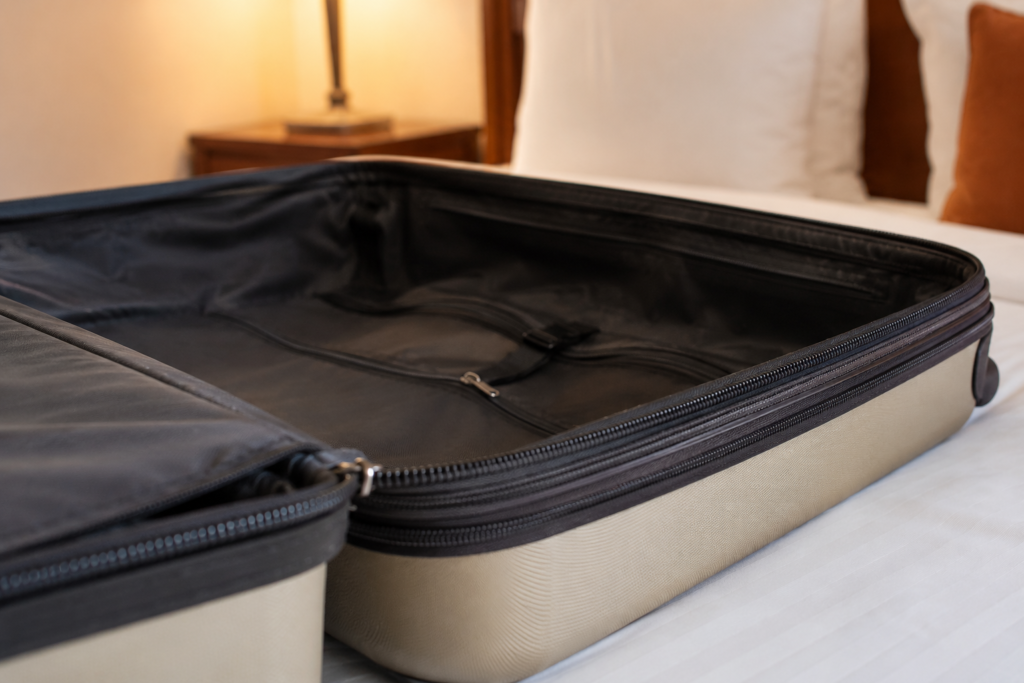
And once they’re in? A tiny crack in the baseboard is enough. The seam of a box spring. Behind a picture frame. They’re small, flat, and very good at not being seen.
What makes them especially frustrating is how long they can wait. Months without feeding, if they have to. Which is why an infestation that seems to vanish over a cold winter can just as easily come back the second it warms up.
The Actual Warning Signs of Infestation
Bites alone aren’t a reliable signal — some people don’t react to them at all, others end up with welts that look more like hives than bug bites. So don’t rely on your skin as the only evidence.
Better things to look for, especially if you’re seeing multiple signs:
- Small reddish-brown spots on the sheets or mattress seams (that’s usually crushed bugs or waste, not blood, despite how it looks)
- Tiny, papery, shed skins tucked into furniture joints or the mattress edge
- A faint musty smell in the bedroom — sweet, almost, and definitely not normal
- Bites that show up in a line or tight cluster, usually somewhere that was exposed while you slept
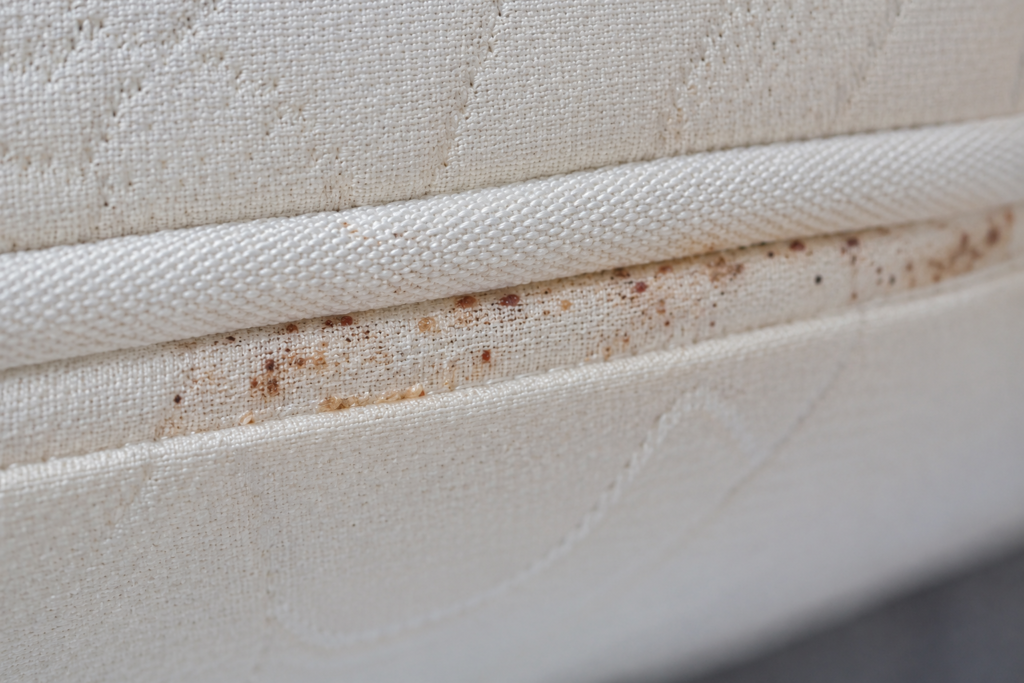
If you’re noticing a couple of these at once, it’s worth doing a more deep inspection rather than waiting to see if it goes away. It won’t.
Why DIY Treatments Usually Don’t Work
Go online and you’ll find no shortage of home remedies — vinegar, diatomaceous earth, essential oils, even rubbing alcohol shows up on some lists, which honestly says more about internet advice than anything else.
And sure, some of it works, sort of. If you spray a bed bug directly, you’ll probably kill it. But that’s the catch — you have to actually hit it. These things burrow deep into furniture, wall gaps, under carpet edges, places you’re not going to reach with a spray bottle no matter how thorough you think you’re being.
Eggs make this even harder. Most over-the-counter sprays don’t affect bed bug eggs at all. Even a thorough DIY treatment can leave the next generation behind, ready to hatch a week or two later.
This is the most common reason homeowners end up fighting the same infestation on and off for months. They’re treating the visible bugs but never actually breaking the full life cycle.
Treatment Options Worth Knowing About
Chemical treatments still have a place, especially for smaller or newly discovered infestations. They usually require multiple visits spaced a couple weeks apart, since the goal is to catch newly hatched bugs after the first round.
For larger or longer-standing infestations, heat treatment for bed bugs in Houston has become one of the more reliable options.
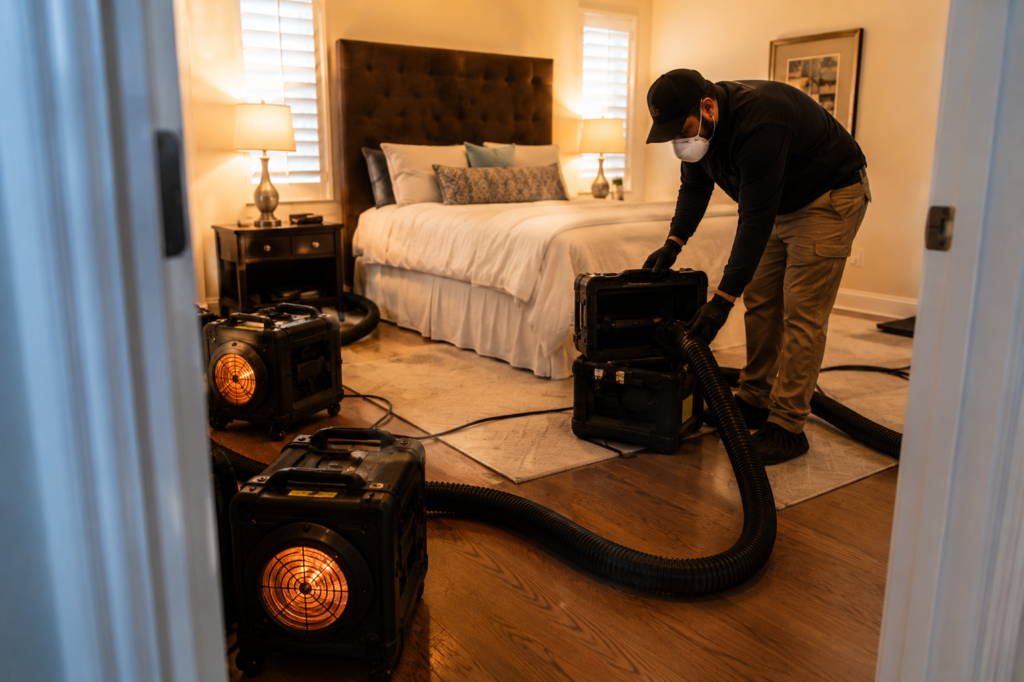
The approach raises the temperature throughout an entire room, or sometimes an entire home, high enough to kill bed bugs at every stage of their life cycle. Adults, nymphs, and eggs, all in a single treatment. Because it doesn’t rely on chemical penetration, it can reach bugs hiding in places sprays typically miss — inside wall outlets, under baseboards, deep in upholstery.
The tradeoff is usually cost and scheduling. Heat treatment often requires specialized equipment and a trained crew rather than something a homeowner can attempt solo.
But for people who’ve already tried sprays or foggers without success, it tends to be the faster route to actually being done with the problem, instead of managing it indefinitely.
How Much Does Bed Bug Treatment Cost?
This is usually what people want to know first, honestly, and that’s fair. Pest control isn’t cheap to begin with, and bed bugs push it higher than most other issues just because of how thorough the treatment has to be.
- A few things drive the price:
- How bad the infestation is
- How big the home is
- Which method you go with
Chemical treatments are cheaper per visit but stack up over two or three rounds. Heat costs more upfront, but it’s often just the one visit — so the totals end up closer than they look at first glance.
If you want real numbers before calling anyone for quotes, bed bug extermination cost in Houston breaks down what people are actually paying locally, by infestation size and method. Worth a look before you start getting quoted numbers with no context.
Preventing It From Happening Again
Once a place has been treated, nobody wants a repeat. A few things help:
- Check secondhand furniture before it comes inside — mattresses and upholstered pieces especially
- A mattress and box spring encasement won’t stop bed bugs from entering a room, but it removes one of their favorite hideouts
- After travel, unpack somewhere other than the bedroom if you can, and run clothes through a hot dryer before putting them away
- Keep clutter near the bed to a minimum — it’s just more places for them to disappear into
None of this is bulletproof. But it does lower the odds, especially in those first few months after treatment when a home’s most vulnerable to a repeat visit.
Don’t Wait This One Out
Bed bugs are miserable mostly because they’re so good at staying hidden until things have already gotten bad. Catch them early and you’re looking at a much simpler, cheaper fix than if you wait it out and hope it goes away on its own. For more Treatment Options you can visit http://activepropertycare.us/
