
Most backyards in the US sit half-used, a lawn that needs mowing, a few struggling shrubs, a patio chair nobody sits in. The appcyard garden guide was built for homeowners who want real results without hiring a landscape firm. These are the top 10 lessons from that guide.
1. What Does Your Soil Actually Need by AppcYard Garden Guide?
Before you buy a single plant, test your soil. A basic kit costs $10–$25 at any garden center. It tells you your pH, nitrogen, phosphorus, and potassium levels. Most garden plants do best between pH 6.0 and 7.0. Clay-heavy soil common in the Midwest or fast-draining sandy soil typical of the Southeast both need amending before you plant anything.
| Soil Type | Common US Region | Main Fix |
| Sandy | Southeast, Southwest | Add compost and organic matter |
| Clay | Midwest, Pacific NW | Aerate and add gypsum |
| Loamy | Central US | Maintain with compost top-dressing |
| Chalky | Great Plains | Lower pH with sulfur or peat moss |
Fix the soil first. It affects everything else.
2. Are You Planting for Your Climate Zone?
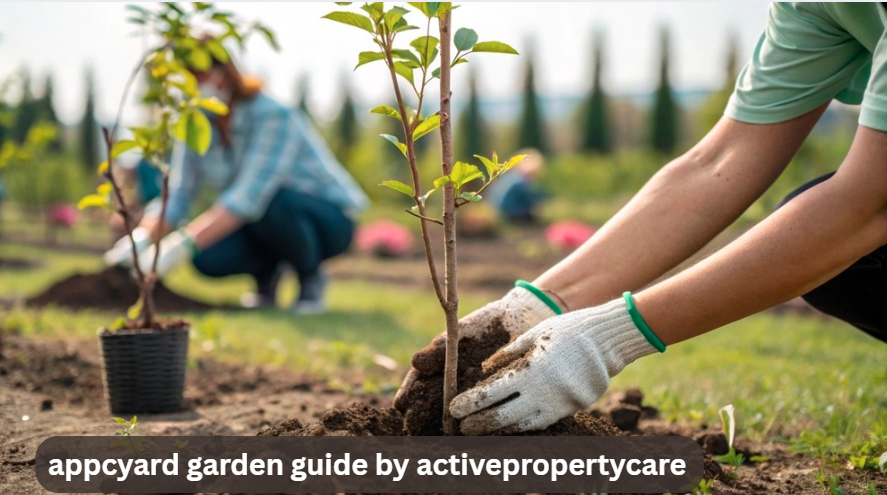
Native plants that evolved in your region handle local rainfall, soil, and temperature swings without much help. They’re also the practical choice because they’re already adapted.
Reliable picks: coneflower and switchgrass (Zones 5–6), Texas sage and Gulf muhly grass (Zones 7–8), California poppy (Zone 9). Native plants also bring in pollinators your garden needs.

3. Is Your Layout Built Around How You Use the Space?
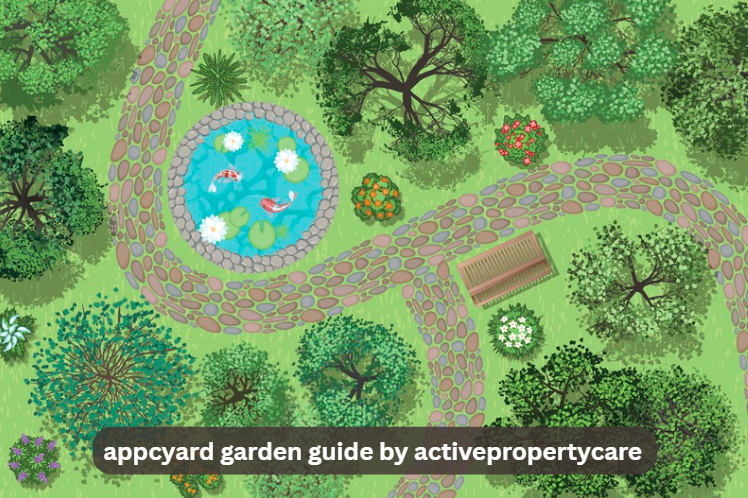
Break your yard into functional zones entertaining, growing, play and relaxation before picking a single plant. Then map your sun: step outside at 9am, noon, and 4pm to see which areas get full sun (6+ hours), partial shade (3–6 hours), or deep shade.
Use 1–3 large anchor plants per zone before filling in with smaller ones. The appcyard garden guide puts layout before plant selection because fixing hardscape later costs far more than planning it right.
4. Can Your Irrigation Handle a Full Summer?
Most lawns and beds need 1–1.5 inches of water per week, rainfall included. Watering too shallowly too often keeps roots near the surface and makes plants fragile in dry spells. The fix is watering deeply and less frequently.
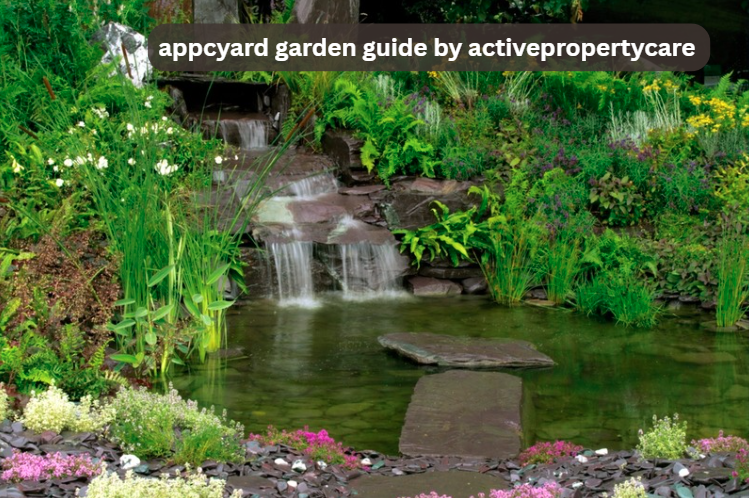
Drip irrigation sends water straight to the root zone and cuts usage by around 50% compared to standard sprinklers. Soaker hoses work well along row crops and hedges. If you go automated, add a rain sensor especially in Florida, Georgia, and Texas where overwatering is a bigger problem than drought for most of the year.
| System | Best For | Water Efficiency |
| Drip irrigation | Beds and shrubs | Very high |
| Soaker hose | Row crops, hedges | High |
| Smart controller | All zones, automated | Very high |
| Rotary sprinkler | Open lawns | Moderate |
5. What’s Eating Your Plants?
Identify the pest before treating it. Aphids, spider mites, and whiteflies respond to neem oil every 7–14 days. Caterpillars and beetles can be picked off or treated with Bacillus thuringiensis (Bt), safe for birds and mammals. Grubs need a targeted soil drench.
Companion planting helps: marigolds deter aphids, basil repels thrips, lavender keeps moths away.
6. How Do You Keep Improving the Soil Long-Term?
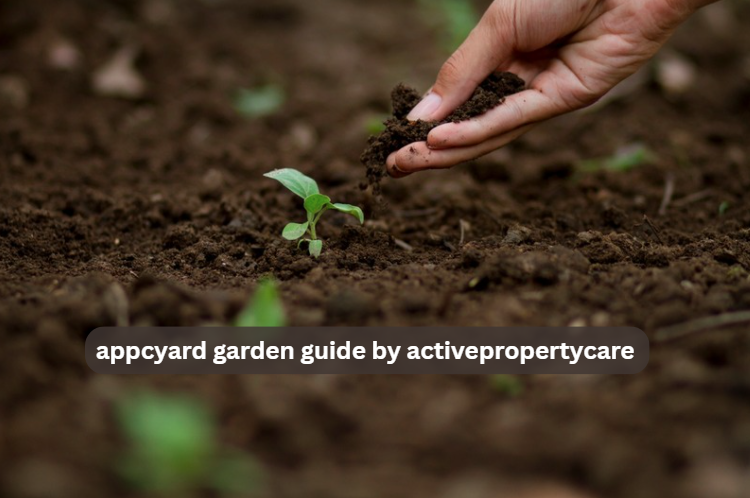
A compost pile is the cheapest effective soil amendment you can make. A 3×3-foot pile in partial shade produces finished compost in 2–6 months. Layer brown materials (dry leaves, cardboard, straw) and green materials (vegetable scraps, grass clippings) in a 3:1 ratio. Turn it every 2–3 weeks.
Apply 1–2 inches to beds each spring and fall. It improves drainage in clay, moisture retention in sand, and feeds the soil biology that unlocks nutrients for roots. Skip meat, dairy, and pet waste.

7. Are Your Outdoor Lights Actually Doing Anything?
Lighting changes how a yard feels after 6pm. Three layers work: ambient (string lights, post lanterns), task lighting for paths and steps, and accent lighting on trees or water features. Warm white bulbs (2700K–3000K) look natural without washing everything out. Quality solar path lights hold charge for 8–10 hours.
8. What Should You Actually Grow in a Raised Bed?
A 4×8-foot raised bed, planted well, can produce $600–$1,200 worth of vegetables in a year. That mix drains well and doesn’t compact like native soil.
| Season | Reliable Crops | Days to Harvest |
| Spring | Lettuce, spinach, peas | 21–60 days |
| Summer | Tomatoes, peppers, cucumbers | 60–90 days |
| Fall | Kale, broccoli, carrots | 50–80 days |
| Winter (Zone 7+) | Swiss chard, garlic | 50–100 days |
9. What Does Year-Round Maintenance Actually Look Like?
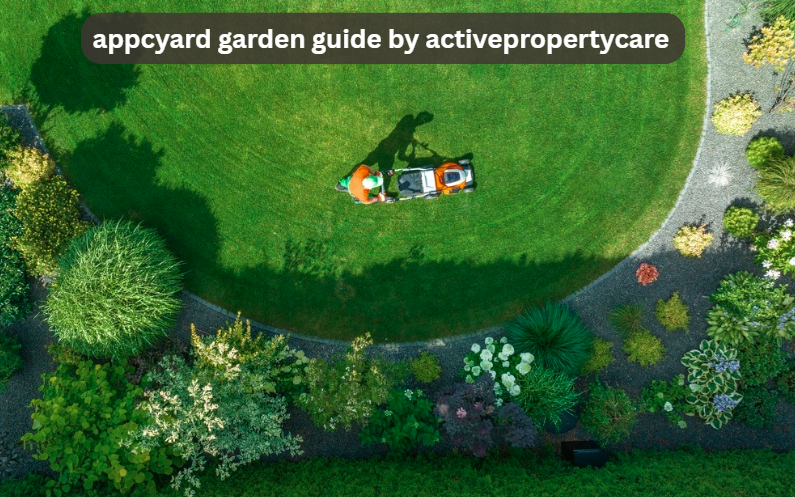
Consistency beats effort. Two hours per weekend from April through October keeps most yards in good shape.
Spring: soil test, edge beds, apply pre-emergent herbicide, divide perennials, fertilize lawn.
Summer: deep water twice a week, deadhead flowers, mulch to 2–3 inches, check pests monthly.
Fall: plant spring bulbs, overseed thin lawn spots, cut back perennials, compost fallen leaves.
Winter: protect tender plants, clean tools, plan next year’s layout, order seeds early.
10. Is Your Hardscaping Built to Last?
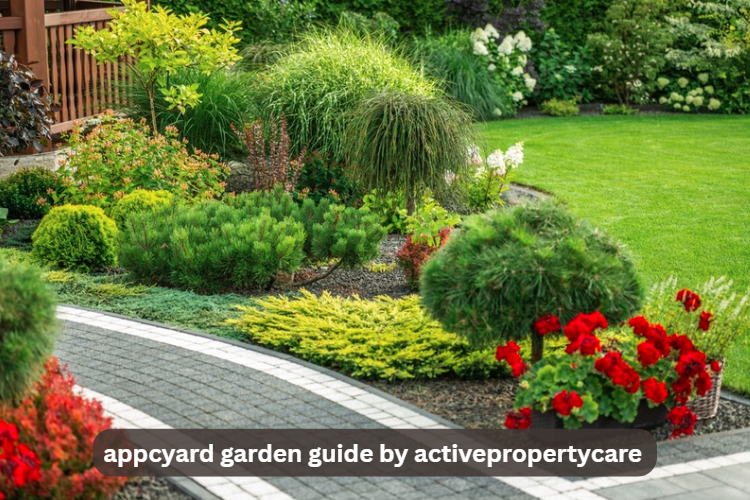
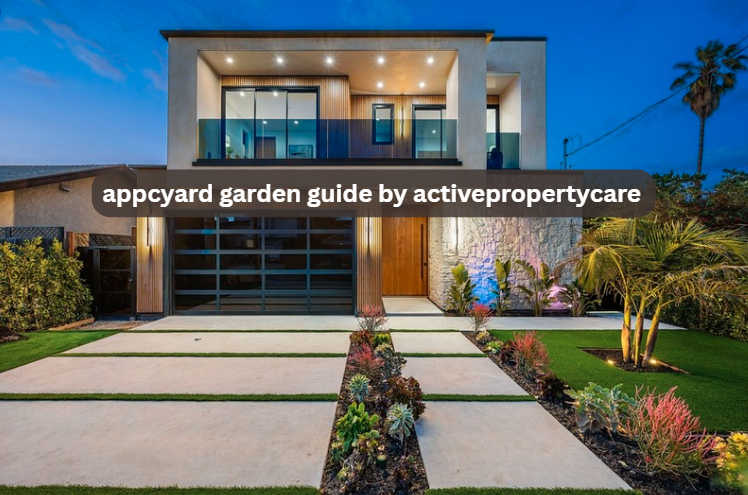
The wrong material costs twice: once to build, once to replace. Natural stone lasts 50+ years with minimal care. Composite decking runs 25–30 years and barely needs maintenance. Gravel is cheap but needs edging and occasional top-ups.

Frequently Asked Questions
What is the AppcYard Garden Guide?
The appcyard garden guide is a step-by-step resource for US homeowners covering soil, plant selection, irrigation, pest control, and seasonal upkeep.
Where do I start if my yard is in rough shape?
Soil test first. Your pH and nutrient levels determine which plants survive and what amendments you need.
How much water does a garden need?
Most gardens need 1–1.5 inches per week including rainfall.
Are native plants worth it?
Yes they use less water, handle local winters without protection, and bring in pollinators your garden needs.
Can I grow vegetables in a small yard?
One 4×8 raised bed produces meaningful food year-round. Vertical trellises double output without using more ground.
Final Thoughts
A good garden happens because someone did the boring stuff first. Tested the soil. Mapped the sun. Choose plants that actually belong in their climate zone. Water less often but deeper. None of that is complicated, but it’s the part most homeowners skip, which is why most yards stay mediocre.
The appcyard garden guide exists to close that gap. Work through these 10 steps in order and your yard changes not because you spent a lot of money, but because you made decisions that compound over time. Good soil grows better plants. Better plants need less intervention. Start with one thing this week. Run a soil test. Sketch out your zones. Order seeds for the next season. Small moves, done consistently, are what separate a yard that looks like it’s trying from one that actually works.Follow Brendan for more property tips.