

Your backyard is more than outdoor square footage; it’s where kids play, gardens grow, and weekend projects come to life. But most homeowners don’t know where to start. That’s exactly why the appcgarden backyard guide has become a go-to resource for US homeowners looking to transform neglected outdoor spaces into functional, beautiful extensions of their homes.
Whether you’re dealing with patchy grass, overgrown flower beds, or a blank concrete slab, this guide covers real solutions backed by practical experience. From soil preparation and seasonal planting to drainage fixes and low-maintenance landscaping, the tips inside are straightforward and actionable. In this article, we’ll walk through the seven most useful takeaways from that guide, the ones that make the biggest difference in the shortest amount of time. If you’ve been putting off your backyard project, this is where it starts.
What Makes the AppcGarden Backyard Guide Worth Following?
Before diving into the tips, it’s worth understanding who put this resource together. activepropertycare.com has built a reputation for practical, no-fluff home and garden advice aimed at everyday homeowners not professional landscapers. The appcgarden backyard guide reflects that approach: each recommendation is tested, specific, and designed to work in real backyards across the United States.
Tip 1: Start With a Soil Test — Not Seeds
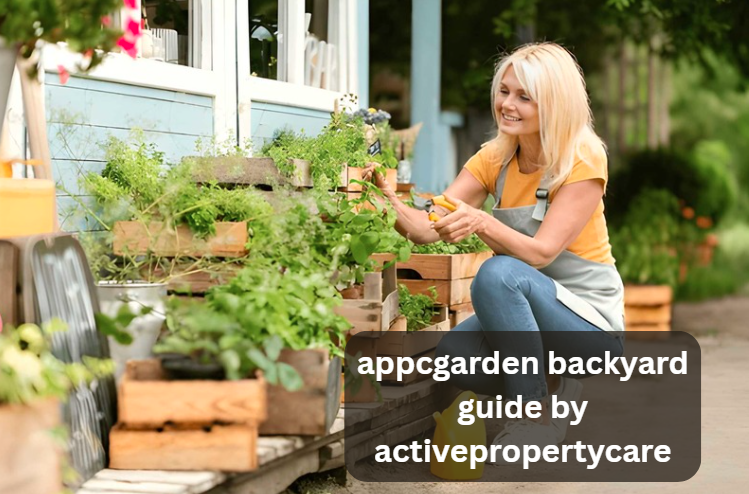
Most backyard projects fail before a single seed goes in the ground because the soil is wrong. The guide recommends a basic soil test (available at most garden centers for under $20) before buying any plants or fertilizers.
| Soil pH Level | What It Means | Best For |
| Below 6.0 | Too acidic | Blueberries, azaleas |
| 6.0 – 7.0 | Ideal range | Most vegetables, grass, flowers |
| Above 7.5 | Too alkaline | Lavender, sage |
Fix the pH first, then plant. This one step saves dozens of hours of troubleshooting later.
Tip 2: Plan Drainage Before You Landscape
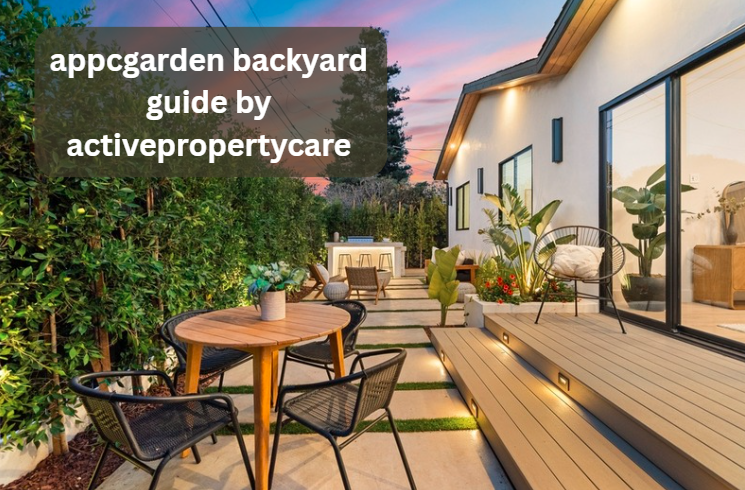
Standing water after rain ruins lawns, drowns plants, and erodes soil. The appcgarden backyard guide puts drainage planning second on the list and for good reason.
A French drain (a gravel-filled trench with a perforated pipe) costs around $10–$15 per linear foot DIY, and it solves most residential drainage problems permanently. Grade your yard so water flows away from the foundation at a minimum slope of 1 inch per 8 feet.
Tip 3: Choose Native Plants for Your US Region
Native plants grow without much help because they’re already adapted to local rainfall, temperature, and soil. They also support local pollinators bees, butterflies, and birds.
| US Region | Recommended Native Plants |
| Pacific Northwest | Oregon grape, red-flowering currant |
| Southwest | Desert marigold, Apache plume |
| Midwest | Purple coneflower, switchgrass |
| Southeast | Coral honeysuckle, beautyberry |
| Northeast | Black-eyed Susan, mountain laurel |
The appcgarden backyard guide dedicates an entire section to regional plant selection because it’s one of the most common mistakes homeowners make: buying plants that look good at the nursery but don’t survive their climate.
Tip 4: Build Raised Beds for Better Control
Raised garden beds fix three problems at once: poor native soil, drainage issues, and weed pressure. The guide recommends cedar or redwood boards (naturally rot-resistant) at a minimum depth of 12 inches.
A standard 4×8-foot raised bed costs roughly $50–$120 in materials and can be built on a Saturday morning. Fill it with a mix of topsoil, compost, and perlite for drainage. You control every variable pH, nutrients, moisture.
Tip 5: Water Smarter With a Drip System
Overhead sprinklers waste 30–50% of water through evaporation, according to the EPA’s WaterSense program. The guide strongly favors drip irrigation for garden beds and targeted zones.
A basic drip system for a standard backyard garden runs $30–$80 and connects to any standard outdoor faucet. Set it on a timer, water at dawn, and you’ll cut your water bill while keeping plants healthier.
Key drip irrigation facts:
- Waters roots directly, reducing fungal disease
- Compatible with raised beds, borders, and containers
- Pays for itself in 1–2 seasons through water savings

Tip 6: Mulch Everything — Then Mulch Again
The single highest-return action in the appcgarden backyard guide is mulching. Two to three inches of organic mulch (wood chips, shredded bark, or straw) around plants:
- Retains soil moisture, cutting watering needs by up to 25%
- Suppresses weed germination
- Regulates soil temperature during hot summers and cold winters
- Breaks down over time to improve soil structure
Refresh mulch once a year in spring. Keep it 2–3 inches away from plant stems and tree trunks to prevent rot.
Tip 7: Create Zones for Function and Flow
A backyard that “just is” doesn’t work as well as one with defined zones: a seating area, a planting area, a kids’ play zone, a utility zone. The guide recommends sketching your space on paper first and assigning each zone a purpose before buying a single piece of furniture or plant.
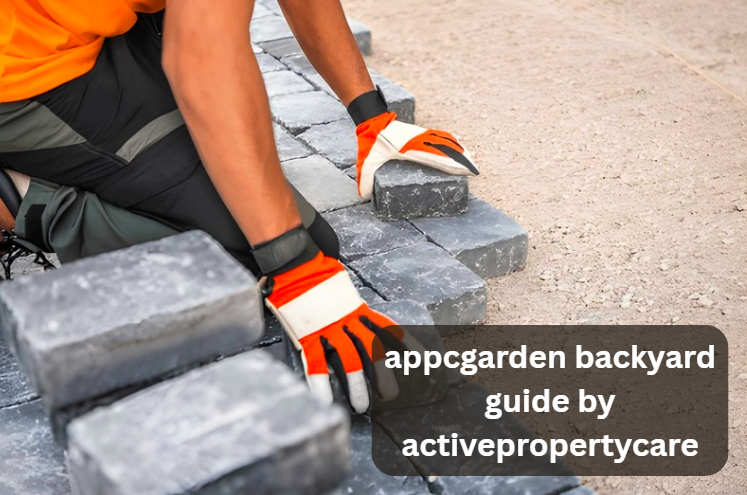
Use pathways (gravel, stepping stones, or pavers) to connect zones naturally. Good flow means you’ll actually use the space and that’s the whole point.

Quick-Reference: 7 Tips at a Glance
| Tip | Action | Estimated Cost |
| 1. Soil Test | Test pH before planting | $15–$25 |
| 2. Drainage | Install French drain if needed | $10–$15/linear ft |
| 3. Native Plants | Match plants to your US region | Varies |
| 4. Raised Beds | Build 4×8 cedar bed, 12″ deep | $50–$120 |
| 5. Drip Irrigation | Connect drip system to outdoor faucet | $30–$80 |
| 6. Mulch | Apply 2–3 inches annually | $30–$60/yard |
| 7. Zone Planning | Sketch zones before buying anything | Free |
Frequently Asked Questions
What is our AppcGarden Backyard Guide?
It’s a practical backyard improvement resource published by brenden, covering soil prep, planting, drainage, irrigation, and landscaping for US homeowners. The guide focuses on actionable steps rather than general advice.
Is our appcgarden backyard guide free?
Yes, the core tips and how-to content are available directly through our website at no cost.
How long does a typical backyard project take following this guide?
Most foundational work (soil prep, drainage, raised beds) takes 2–4 weekends. Planting and landscaping are ongoing, with noticeable results by the end of one growing season.
Can these tips work for small urban backyards?
Yes. Raised beds, drip irrigation, and zone planning scale well to small spaces. A 10×10-foot backyard can still have a productive garden and a seating area.
What makes Active PropertyCare’s advice trustworthy?
Our content is grounded in hands-on home property experience, not theory. building dreams reflects the company’s focus on helping real homeowners solve real problems, not selling them products.
Final Thoughts
The appcgarden backyard guide doesn’t promise overnight transformation. What it does deliver is a clear, logical sequence of steps that compound, fix the soil, manage water, choose the right plants, and build the right structure. Follow the seven tips above in order and your backyard will look and function completely differently by the end of one season.Follow Brendan for more property tips.