


Most homeowners figure out home maintenance the hard way: a burst pipe at midnight, a roof that waited one season too long, or a heating system that quit in January. It doesn’t have to be that way.
The right guides give you a clear, practical roadmap for every part of your home before things go wrong. Whether you just bought your first house or you’ve owned for decades, having reliable how-to resources in your corner changes everything. You stop guessing. You start planning.
This article breaks down 7 essential guide categories that every US homeowner should have access to. From seasonal maintenance checklists to emergency repair protocols, these guides cover what actually matters. If you’ve been putting off a maintenance task because you didn’t know where to start, you’re about to have fewer excuses. Let’s get into it.

What Are Guides and Why Do They Matter?
These guides are structured, topic-specific resources that walk homeowners through maintenance tasks step by step. Think less “vague tips article” and more “here’s exactly what to do, when, and how.”
For US homeowners, deferred maintenance costs real money. According to the Harvard Joint Center for Housing Studies, American homeowners spend an average of $6,000 per year on home improvements and repairs, a number that climbs sharply when routine upkeep gets skipped.
Good guides don’t just tell you what to do. They tell you why it matters and when to call a professional instead.
Guide 1: Seasonal Home Maintenance What to Do Every Quarter
What Does a Complete Seasonal Checklist Cover?
Seasonal maintenance is the backbone of responsible homeownership. A well-built guide breaks the year into four quarters and assigns tasks by urgency and weather impact.
| Season | Key Tasks |
| Spring | HVAC tune-up, roof inspection, gutter cleaning |
| Summer | Exterior paint check, deck inspection, pest prevention |
| Fall | Weatherstripping, furnace filter, window sealing |
| Winter | Pipe insulation, chimney cleaning, ice dam prevention |
These guides organized by season help homeowners avoid the common trap of doing everything reactively. Get ahead of the calendar your wallet will thank you.

Guide 2: How to Handle Emergency Home Repairs Without Panicking
What Should You Do First When Something Goes Wrong?
Emergencies don’t schedule themselves. A good emergency repair guide covers:
- Water damage response — shut-off valve locations, immediate containment steps
- Electrical issues — when to reset a breaker vs. when to call an electrician
- Gas leak protocol — leave first, call second, never use a light switch
- Roof damage after storms — temporary tarping before the contractor arrives
Visit activepropertycare.com for printable emergency checklists you can keep accessible in your home.

Guide 3: Plumbing Basics Every Homeowner Should Know
Can You Fix It Yourself or Is This a Pro Job?
Plumbing is one of the most searched home maintenance topics in the US, and for good reason. Small leaks become big ones. The right guides on plumbing cover the line between DIY-friendly and “call a plumber now.”
DIY-friendly tasks:
- Replacing a faucet washer
- Unclogging a drain with a snake
- Installing a new showerhead
- Fixing a running toilet (flapper replacement)
Call a professional:
- Any work on the main water line
- Sewer line issues
- Water heater replacement (especially gas)
- Persistent low water pressure with no obvious cause

Guide 4: Roof and Attic The Maintenance Most Homeowners Ignore
Roof problems are quiet until they aren’t. By the time you see a water stain on your ceiling, the damage is already weeks or months old.
For Property Maintenance that actually protects your investment, roof inspections should happen at least twice a year spring and fall. An attic guide should cover:
- Checking for proper ventilation (prevents mold and ice dams)
- Insulation R-value by US climate zone
- Signs of animal intrusion
- Identifying damaged or missing shingles from the ground safely
Guide 5: HVAC Maintenance Keep the Air Moving and the Bills Down
How Often Should You Actually Change Your Air Filter?
More often than most people do. The standard recommendation is every 90 days every 30-60 days if you have pets or allergies.
A solid HVAC guide covers filter types, MERV ratings, and when a DIY tune-up becomes a professional service call.
| Task | Frequency | DIY or Pro? |
| Air filter replacement | Every 1-3 months | DIY |
| Coil cleaning | Annually | Pro recommended |
| Duct inspection | Every 3-5 years | Pro |
| Thermostat calibration | As needed | DIY |
| Annual tune-up | Once per year | Pro |

Guide 6: Exterior and Curb Appeal Maintenance
Your home’s exterior takes the full brunt of weather, UV exposure, and time. Neglecting it costs more than the upkeep would have.
Our how to guides section covers exterior tasks including:
- Siding inspection — cracks, gaps, or rot around windows and doors
- Driveway sealing — every 2-3 years for asphalt, longer for concrete
- Gutter guards — worth it in high-leaf climates, often oversold elsewhere
- Landscaping drainage — grading the soil away from your foundation prevents water infiltration

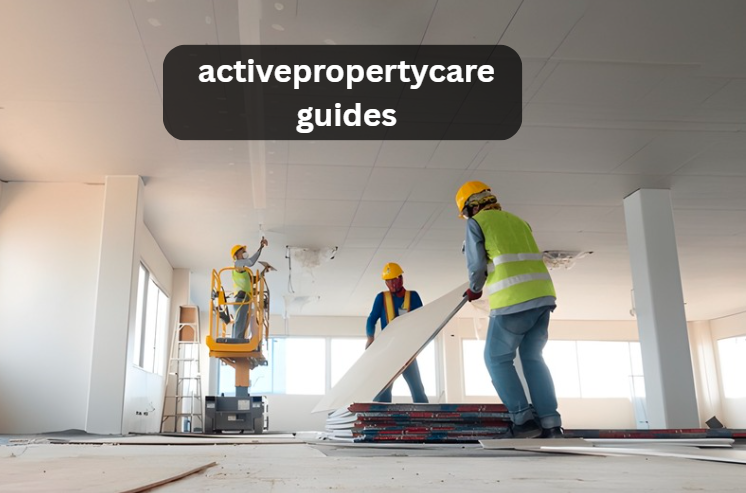
Guide 7: Building and Renovation Know Before You Start
What Do You Need to Know Before Any Home Improvement Project?
Skipping the planning phase is how renovation projects double in cost. A solid pre-project guide covers permits, contractor vetting, material sourcing, and timeline reality-checks.
Permit basics by project type (US general guidance):
| Project | Permit Usually Required? |
| Kitchen remodel (structural) | Yes |
| Bathroom addition | Yes |
| Deck installation | Yes (most states) |
| Interior painting | No |
| Flooring replacement | No |
| Window replacement (same size) | Usually no |
Check local codes requirements vary by city and county.
Frequently Asked Questions
Q: What are guides best used for?
They’re most useful for routine maintenance planning, emergency preparedness, and pre-project research before any repair or renovation.
Q: How often should I follow a home maintenance guide?
Seasonal guides should be reviewed quarterly. Emergency guides should be printed and kept accessible. Specific project guides should be read in full before starting any work.
Q: Are these guides suitable for first-time homeowners in the US?
Yes. Most guides are written for homeowners without a construction background. They explain terminology, offer decision trees for DIY vs. professional work, and prioritize tasks by urgency.
Q: Can I use these guides for rental properties too?
Absolutely. Landlords and property managers in the US use structured maintenance guides to stay compliant with habitability standards and reduce emergency repair costs.
Final Thoughts
The 7 guide categories above cover the full range of what US homeowners face from seasonal checklists to renovation planning to true emergencies. guides take the guesswork out of property ownership. Start with our seasonal checklist, bookmark the emergency guide, and work through the rest at your own pace. Your future self, the one who didn’t have a $12,000 water damage claim will appreciate it.Follow Brendan for more property tips.
.


Pingback: 9 Advantages of Using Building Maintenance Services Regularly - ActivePropertyCare