

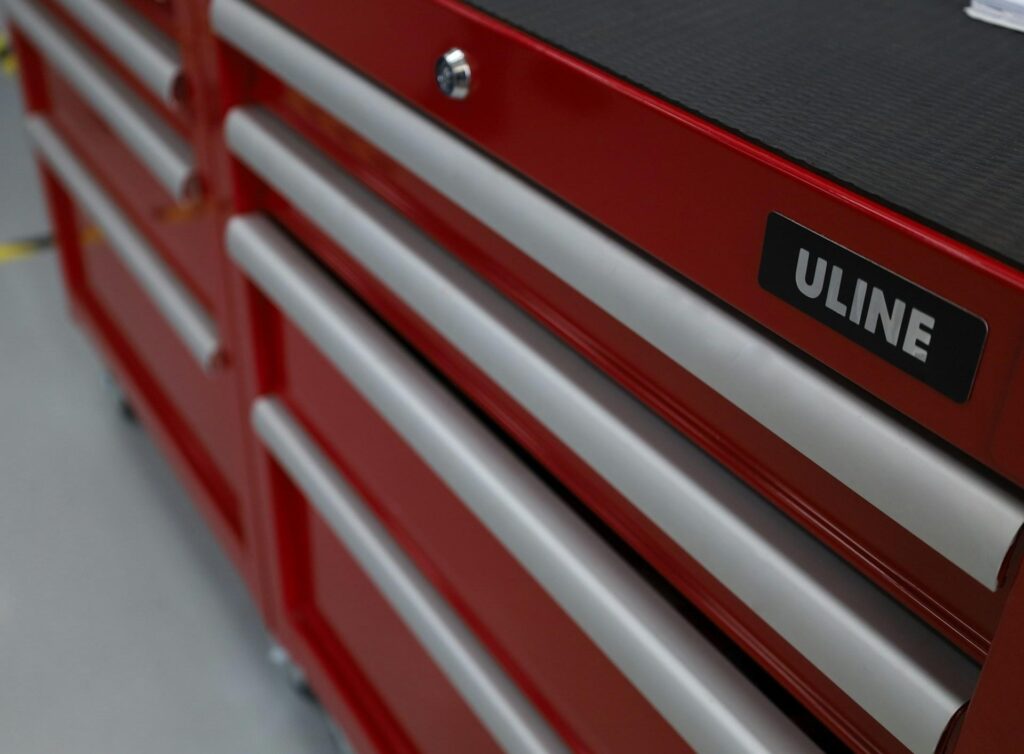
Photo by Guille B on Unsplash
A well-organized garage depends on having the right storage for your tools. Whether you handle basic household repairs, maintain vehicles, or spend weekends working on woodworking projects, proper storage keeps tools protected, easy to find, and ready to use. The right toolbox helps reduce clutter, protects your investment, and makes every task more efficient. Since garage storage needs vary from one homeowner to another, understanding the different types of toolboxes can help you choose a solution that suits your workspace.
Portable Toolboxes for General Household Use
Portable toolboxes remain one of the most practical storage options for homeowners. Designed to hold everyday essentials such as screwdrivers, pliers, hammers, tape measures, and adjustable wrenches, they provide a simple way to keep commonly used tools together. Most models include a carrying handle and a removable tray, making it easy to transport tools from the garage to another work area.
These toolboxes work particularly well if you perform occasional maintenance and repairs around your home. Plastic versions are lightweight and affordable, while metal models offer greater strength and durability. Because they take up little space and require minimal organization, portable toolboxes are often the first storage solution many homeowners purchase when building a tool collection.
Rolling Toolboxes for Growing Collections
As your collection expands, carrying tools from one location to another becomes less convenient. A heavy-duty chest on wheels addresses this issue by combining storage capacity with mobility. Equipped with wheels and a pull handle, they allow you to transport a larger number of tools without lifting significant weight.
Many rolling models feature multiple compartments or stackable sections, which makes it easier to separate hand tools, power tools, batteries, chargers, and accessories. If you frequently work in the driveway, backyard, or different areas of your property, a rolling toolbox allows you to move your equipment efficiently while keeping everything organized in one place.
Cantilever Toolboxes for Organized Storage
A cantilever toolbox uses a tiered tray system that expands outward when opened. This design provides multiple storage levels, allowing you to separate tools, fasteners, and accessories into dedicated compartments. As a result, you can see a large portion of the contents at a glance instead of searching through a single storage space.
This style is especially useful if you keep a variety of screws, nails, anchors, drill bits, and small hardware items on hand. The organized layout helps prevent items from becoming mixed together, which saves time during projects and reduces frustration. Although cantilever toolboxes tend to be larger and heavier than standard portable models, they offer a higher level of organization for homeowners who regularly tackle repairs and improvement projects.
Tool Chests for Dedicated Workspaces
A tool chest is an excellent choice if your garage serves as a workshop rather than simply a place to park vehicles. Unlike portable storage options, tool chests are designed to remain in a fixed location and provide extensive drawer storage for larger collections.
The drawer-based design allows you to organize tools by category, which helps maintain order over time. Screwdrivers can be stored in one drawer, sockets in another, and measuring tools in a separate compartment. This arrangement reduces the time spent searching for tools and helps keep your workspace tidy. Many tool chests also include locking systems, providing an extra level of security for valuable equipment.
Wall-Mounted Tool Storage Systems
Tool storage does not always need to occupy valuable floor space. Wall-mounted systems provide an effective way to organize tools while making use of vertical surfaces. Common options include pegboards, wall cabinets, slatwall systems, and hanging tool racks.
In smaller garages, wall-mounted storage can significantly improve accessibility while freeing up room for vehicles, workbenches, and other equipment. Frequently used tools remain visible and within easy reach, which helps speed up routine tasks. Cabinets mounted on the wall also protect tools from dust and accidental damage while keeping the garage looking neat and organized.
Many homeowners achieve the best results by combining wall storage with traditional toolboxes. Daily-use tools can remain accessible on the wall, while specialized equipment stays protected in drawers or cabinets.
Stackable Toolbox Systems for Flexible Storage
Modular storage systems have become increasingly popular because they can adapt as a tool collection grows. These systems consist of individual storage units that lock together, allowing you to customize the arrangement based on your needs.
One section may hold power tools, another may store hand tools, and a third may contain accessories and fasteners. Additional modules can be added over time, which makes expansion simple and cost-effective. Rather than replacing an entire storage system, you can add only the components you need.
Another advantage is portability. Individual modules can be detached and taken directly to a job area, reducing the need to transport unnecessary tools. This flexibility makes stackable systems a practical option for homeowners who want organized storage without committing to a large stationary cabinet.
Heavy-Duty Metal Toolboxes for Long-Term Durability
Heavy-duty metal toolboxes are designed for demanding environments and frequent use. Manufactured from steel or aluminum, they offer greater resistance to impacts, wear, and workshop conditions than many plastic alternatives.
These toolboxes are particularly useful if your garage functions as an active workspace where tools are used regularly. Reinforced construction helps protect expensive equipment, while metal latches and locking systems provide additional security. Many models also withstand exposure to oils, solvents, and other substances commonly found in garages and workshops.
Although the initial cost is often higher, a well-built metal toolbox can provide decades of reliable service. For homeowners who value durability and long-term performance, metal construction remains one of the strongest options available.
Choosing the Right Toolbox for Your Garage
The best toolbox depends on how you use your garage, the size of your tool collection, and the amount of available space. Portable toolboxes work well for basic household repairs, while cantilever models offer better organization for smaller tools and hardware. Rolling toolboxes provide mobility for growing collections, and tool chests or rolling cabinets are often the preferred choice for dedicated workshop spaces.
Before making a purchase, consider both your current storage requirements and how your collection may expand in the future. A toolbox that matches your workflow will help keep tools organized, protected, and easy to access, creating a garage that functions efficiently and remains easier to maintain over time.
for more storage information visit https://activepropertycare.us/