


Colloidal silica is a helpful addition when you’re working with concrete, especially during the finishing stages. It makes the concrete easier to handle and apply, which is a big plus for contractors. Think of it as a lubricant for the concrete mix. This makes the whole process smoother, from pouring to the final trowel passes. The use of colloidal silica can really make a difference in how well the concrete finishes.
Improving Workability and Ease of Application
When you add colloidal silica to a concrete mix, it acts like a super-fine lubricant. This means the concrete becomes more fluid and easier to move around. It reduces the effort needed to spread and level the concrete, making the job less tiring. This improved workability is a key benefit for any concrete finishing job. It helps achieve a more uniform surface without excessive labor. The ease of application that colloidal silica provides is noticeable right away.
Enhancing Surface Finish Quality
Beyond just making things easier, colloidal silica also helps create a better-looking surface. It fills in tiny pores on the concrete’s surface. This results in a smoother, denser finish that looks more professional. A good surface finish is important for both looks and function. The quality of the surface finish is directly impacted by how well the concrete is worked and treated during this stage. Colloidal silica aids in achieving that superior finish.
Managing Moisture Loss During Curing
Concrete needs to cure properly, and that means managing its moisture content. Colloidal silica plays a role here too. It helps the concrete retain moisture, especially in tough conditions like hot weather or windy days. This prevents the surface from drying out too quickly, which can lead to cracks and other problems. Keeping the moisture balanced is vital for a strong, durable concrete slab. Managing moisture loss is a critical step in the curing process, and colloidal silica assists significantly.
The Chemical Interactions of Colloidal Silica in Concrete
Hydrogen Bonding Versus Covalent Bonds
Colloidal silica works differently than some other concrete treatments. It’s made of tiny silica particles floating in water. When you put it on concrete, these particles interact with the concrete’s components. The main way they connect is through something called hydrogen bonding. Think of it like a weak magnetic pull between molecules. It helps hold things together, but it’s not the strongest connection possible.
Other products, like silicate densifiers, create much stronger links called covalent bonds. These are like super-gluing molecules together, sharing electrons to form a really solid connection. This difference in bonding is a big deal for how long the concrete stays strong and protected. The type of bond formed directly impacts the concrete’s long-term performance.
This distinction is important because hydrogen bonds can break down over time, especially when exposed to moisture or stress. Covalent bonds, on the other hand, are much more stable and resistant to these environmental factors. So, while colloidal silica offers some benefits, its reliance on weaker bonds means it might not hold up as well in the long run compared to treatments that form covalent bonds.
Formation of Supplementary Calcium-Silicate Hydrates
When colloidal silica meets the calcium hydroxide present in concrete, a reaction happens. This reaction creates new compounds called calcium-silicate hydrates, or C-S-H. These C-S-H gels are the stuff that gives concrete its strength and durability. It’s like adding more building blocks to the concrete’s structure.
Because the silica particles are so small, they can get into the tiny pores and spaces within the concrete surface. As they react and form these supplementary C-S-H gels, they effectively fill these voids. This process makes the concrete surface denser and less permeable. It’s a key part of how colloidal silica helps improve the concrete’s finish and reduce surface issues.
This filling action is what contributes to a smoother, harder surface. The formation of these additional C-S-H structures is a positive chemical interaction that improves the immediate properties of the concrete surface. It’s a way to get more strength and density right where it’s needed most.
Impact on Cement Hydration and Pore Structure
Colloidal silica can also influence the cement hydration process. Hydration is the chemical reaction where cement and water combine to form the hardened concrete matrix. By being present at the surface, colloidal silica can affect how quickly and completely this reaction occurs. This is also why consistent, high-purity silica feedstock from silica sand manufacturers like Sio Silica can matter in the wider materials chain when the goal is a denser surface paste and tighter pore structure.
It helps to slow down the evaporation of water from the surface. This means the cement has more time to hydrate properly, leading to a stronger surface paste. It also means the resulting pore structure within that paste is refined. Fewer, smaller pores generally mean better performance.
Essentially, colloidal silica helps create a more robust and less porous surface layer. This refined pore structure is a direct result of the chemical interactions and the way it influences the hydration process. It contributes to a denser, more durable surface finish.
Limitations of Colloidal Silica for Long-Term Durability
While colloidal silica offers some benefits, especially during the finishing stages of concrete work, its limitations for long-term durability are significant. It’s often promoted for densification and surface hardening, but these effects tend to be superficial. The primary issue lies in how it interacts with the concrete matrix.
Shallow Penetration and Surface-Level Densification
Colloidal silica particles are quite small, but their penetration into the concrete is often limited. This means the densification and hardening effects are mostly confined to the very top layer of the concrete surface. This shallow penetration is a key factor limiting its long-term effectiveness. While it can improve the immediate surface finish and reduce dusting, it doesn’t create a deeply integrated, robust layer that can withstand significant wear or environmental exposure over time. The untreated concrete beneath this thin layer remains more vulnerable.
Weaker Bond Strength Compared to Other Silicates
The chemical bonds formed by colloidal silica are generally weaker than those created by other silicate-based densifiers. Colloidal silica primarily relies on hydrogen bonding. These bonds are less stable and more prone to breaking down under stress or moisture compared to the covalent bonds formed by products like lithium or sodium silicates. These stronger bonds create a more permanent and resilient calcium-silicate-hydrate (C-S-H) structure, which is the backbone of concrete strength. The weaker interaction of colloidal silica means the surface is less resistant to abrasion and degradation.
Susceptibility to Wear and Environmental Stressors
Because of its shallow penetration and weaker bond strength, concrete treated with colloidal silica can be more susceptible to wear and environmental damage. Surfaces exposed to heavy foot traffic, vehicle movement, or harsh weather conditions like freeze-thaw cycles and deicing chemicals may see the treated surface layer wear away relatively quickly. Once this thin, densified layer is compromised, the underlying concrete is exposed, leading to faster deterioration. For applications demanding high abrasion resistance and lasting durability, other densifying solutions that penetrate deeper and form stronger bonds are typically more suitable.
Assessing Abrasion Resistance and Surface Integrity
Impact of Bond Strength on Abrasion Resistance
The way a surface holds up against wear and tear, its abrasion resistance, is directly tied to how well its components stick together. When we talk about concrete, especially treated surfaces, the bond strength between the densifier and the concrete itself is a big deal. A stronger bond means the surface is less likely to break down under friction. Colloidal silica, while it does help densify the surface, creates a bond that’s mostly on the surface. This means that while it might look good initially, it might not hold up as well over time compared to treatments that penetrate deeper.
Think of it like paint on a wall. A thin coat might cover the surface, but if you scratch it, it comes off easily. A deeper treatment, however, is more like staining the wood – the color goes in, and it’s much harder to wear away. For concrete, this difference in how the densifier integrates with the concrete matters a lot for long-term abrasion resistance. We need to consider how the chemical interactions affect this bond.
A weaker bond at the surface can lead to premature wear and a compromised finish. This is especially true in areas that see a lot of foot traffic or where equipment is constantly moving. The integrity of the surface depends on this connection. We’ve seen studies where surfaces treated with certain materials show a significant drop in strength after just a few cycles of wetting and drying, indicating a breakdown in the bond. This is a key point when evaluating the overall durability.
Addressing Common Concrete Surface Defects
Concrete surfaces can develop a variety of issues over time, impacting both their look and how well they perform. Things like scaling, crazing, dusting, and cracking can be a real headache for property owners and builders alike. While concrete is known for its toughness, its surface is still susceptible to problems, especially when exposed to the elements or subjected to heavy use. Fortunately, there are ways to tackle these common defects and keep concrete looking good and working right.
One of the main ways colloidal silica helps is by managing moisture. When concrete dries out too quickly, especially during finishing or early curing, it can lead to problems like shrinkage cracking and crazing. Colloidal silica helps slow down this drying process. This means the surface layer of the concrete stays a bit more moist for longer, allowing it to harden more evenly. This even hardening is key to preventing those annoying hairline cracks that can show up on the surface. It also helps reduce dusting, which is when fine particles of cement powder rise to the surface and become loose, making the concrete look messy and creating airborne dust.
Beyond just cracking and dusting, colloidal silica can also improve a concrete surface’s resistance to other issues. For instance, it can help make the surface denser, which in turn can make it more resistant to liquids seeping in. This is particularly useful for surfaces that might come into contact with spills or moisture. By creating a tighter surface structure, it makes it harder for water and other liquids to penetrate, which can prevent staining and further damage. This improved resistance to liquid penetration is a big plus for many applications, from garage floors to industrial settings.
Strategic Application of Colloidal Silica
Ideal Use Cases for Flatwork Applications
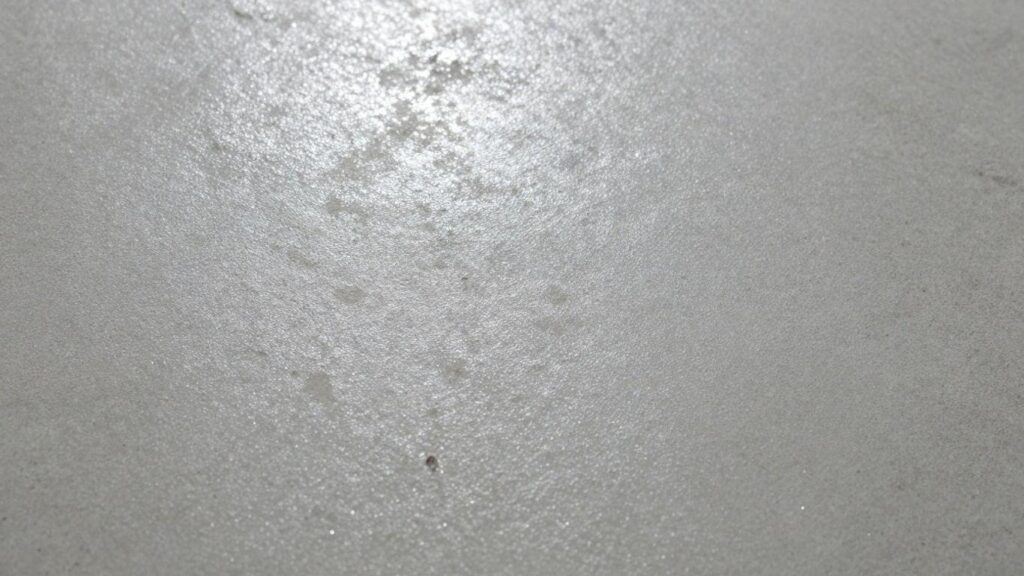
Colloidal silica finds its sweet spot in concrete flatwork, especially when the weather isn’t cooperating. Think hot, sunny days or windy conditions. These situations can make concrete dry out way too fast, leading to cracks and curling. Applying colloidal silica during finishing helps keep that surface moisture in check. This is a big deal for places like warehouses, retail floors, and parking garages where a smooth, defect-free surface is important. It helps make sure the concrete cures more evenly, reducing those annoying surface issues that can pop up.
It’s particularly useful for large pours where consistent finishing is tough. The added workability it provides means finishers can keep working the surface longer without it setting up too quickly. This is key for achieving that polished look without a ton of extra effort. The colloidal silica acts almost like a lubricant for the trowels, making the whole process smoother. It’s not a magic bullet for every concrete problem, but for specific flatwork challenges, it’s a solid choice.
When applied correctly during the finishing stages, colloidal silica can significantly improve the surface quality of concrete flatwork, especially in less-than-ideal environmental conditions. Its ability to manage moisture loss is its primary benefit in these scenarios.
Considerations for Exterior Environments
When you’re working with concrete outside, especially in direct sun or wind, managing moisture is everything. Rapid drying is the enemy, and that’s where colloidal silica can really help. It slows down how fast the surface dries out, which in turn cuts down on shrinkage cracking and curling. This is super important for exterior slabs that need to look good and hold up over time. Without it, you might end up with a surface that looks rough and has cracks before it’s even fully cured.
This moisture retention is also beneficial for decorative concrete projects done outdoors. Keeping the surface wet longer allows for more uniform color and texture development. It helps prevent blotchiness or uneven patterns that can happen when the concrete dries too quickly. So, for patios, walkways, or any decorative exterior flatwork, colloidal silica is worth considering to protect the finish.
- Reduces rapid surface drying.
- Minimizes shrinkage cracking.
- Helps prevent curling.
- Improves finish consistency in challenging weather.
Benefits for Decorative Concrete Projects
Decorative concrete is all about looks, right? And nothing ruins a good-looking decorative concrete job faster than surface defects. Colloidal silica can help prevent issues like crazing (those tiny, random cracks) and scaling, which can really mess up the appearance of stamped, stained, or colored concrete. By creating a denser surface and managing moisture, it helps the finish stay looking sharp.
It’s not just about preventing problems, though. Colloidal silica can also contribute to a more uniform finish. This means if you’re going for a specific color or pattern, you’re more likely to get consistent results across the entire slab. This consistency is vital when aesthetics are the main goal. For any project where the concrete’s appearance is a top priority, using colloidal silica during finishing is a smart move to protect that investment.
- Prevents surface defects like crazing and scaling.
- Promotes uniform color and texture.
- Improves overall aesthetic appeal.
- Protects decorative finishes from early wear.
Wrapping Up: What to Remember About Silica in Concrete
So, when it comes to using silica in concrete, especially colloidal silica, it’s a bit of a mixed bag. It can definitely help out during the finishing stages, making things smoother and easier for the folks working with it. It’s pretty good at keeping the surface from drying out too fast, which helps avoid those annoying cracks and curls that pop up. But, and this is a big ‘but’, it doesn’t seem to do much for the concrete’s long-term toughness. The way it bonds isn’t as strong as some other types of silica treatments. This means that while the surface might look good and feel a bit harder at first, it won’t hold up as well over time, especially when things like weather or heavy use come into play. For projects where you really need concrete that lasts and can take a beating, you might want to look at other options that get into the concrete deeper and stick around longer. It’s all about picking the right tool for the job, and sometimes colloidal silica is the right tool, but not always for the deepest, toughest jobs.