

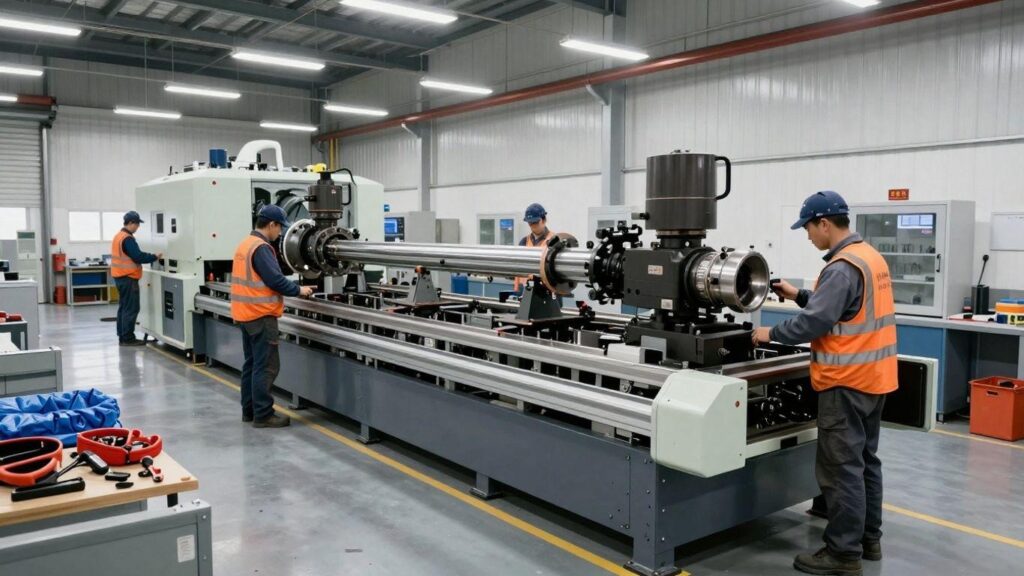
Conducting a Detailed Site Survey
Before any equipment arrives, a thorough site survey is a must. This isn’t just about measuring space; it’s about understanding the environment where the machinery will live. Checking floor flatness, load capacity, and even ambient conditions like temperature and humidity are key. This initial step helps prevent issues down the line.
A detailed site survey is the bedrock of a successful installation. It identifies potential problems early, saving time and money. Without this, you’re essentially guessing, and with precision equipment, guessing is a recipe for disaster. Proper site preparation starts here.
Verifying Utility Availability
Next up is making sure all the necessary utilities are ready and waiting. This means checking power, compressed air, water, and network connections. Are they rated correctly for the equipment? Are they in the right spots? Having utilities confirmed and ready avoids delays once the machinery is on-site.
It’s easy to assume utilities are fine, but a quick check can save a lot of headaches. Incorrect power supply or insufficient air pressure can cripple a machine’s performance. Verifying utility availability is a simple but vital part of site preparation.
Foundation and Anchoring Requirements
Precision equipment needs a stable base. This often means specific foundation and anchoring requirements. For heavy machinery, this could involve reinforced concrete pads poured to exact tolerances. Proper anchoring ensures the machine stays put and operates without unwanted movement.
- Check OEM specifications for foundation needs.
- Verify load-bearing capacity of existing structures.
- Plan for vibration isolation if required.
The foundation is literally what the equipment rests on; it must be perfect. Poor foundations lead to vibration and misalignment, directly impacting the precision of the machinery. This is a non-negotiable step in site preparation.
Space Planning for Access and Operations
Beyond the machine’s footprint, think about the surrounding space. How will operators access the equipment? What about maintenance routes? Material handling equipment needs room to maneuver too. Good space planning accounts for the entire operational workflow, not just the machine itself.
Adequate space isn’t just about fitting things in; it’s about ensuring safe and efficient operation and maintenance. Don’t forget to plan for future needs or modifications.
This planning prevents bottlenecks and safety hazards. It makes sure that once installed, the equipment can be used and maintained effectively. Good space planning is a critical part of preparing the site for precision equipment installation.
Pre-Installation Inspections And Unpacking Protocols
Importance of Skipping Pre-Installation Inspections
Skipping pre-installation inspections is a common mistake that can lead to significant problems down the line. When millwrights rush into assembly without a thorough check, they risk overlooking transit damage, missing parts, or even factory defects. This oversight often means these issues only surface after the machinery is installed, causing unexpected delays and adding to project costs. It’s a shortcut that rarely pays off.
https://solidhook.ca/ team emphasizes starting with a site assessment and lift planning, which is exactly the kind of pre-installation inspection that helps catch damage, missing components, and access issues before install day.
It’s vital to remember that every piece of equipment is an investment. Taking the time for proper checks upfront protects that investment. A detailed inspection before installation helps identify any problems early. This allows for timely repairs or replacements, preventing more complex and expensive fixes later. Proper pre-installation inspections are a cornerstone of reliable machinery setup.
This careful approach is part of the overall millwrighting process. It’s not just about putting pieces together; it’s about ensuring everything is in perfect condition before it’s even connected. This diligence saves time, money, and headaches for everyone involved. It’s a proactive step that pays dividends throughout the equipment’s lifespan.
Implementing a Thorough Unpacking Protocol
A structured unpacking protocol is more than just opening boxes; it’s the first hands-on inspection of your new equipment. Millwrights should unbox machinery in a clean, well-lit area to easily spot any surface damage like dents or scratches. This controlled environment also helps prevent small parts from getting lost or contaminated.
- Verify all components against the packing list. Any discrepancies or missing items need immediate reporting to the supplier. This step is critical for a complete installation.
- Inspect critical parts for damage. Look for signs of stress, bending, or corrosion on shafts, bearings, and mounting surfaces. Use measuring tools for key dimensions if specified.
- Review the OEM manual. Familiarize yourself with specific handling instructions, torque values, and any special warnings before proceeding.
This systematic approach to unpacking ensures that all parts are accounted for and in good condition. It sets the stage for a smooth and accurate installation, minimizing the chances of encountering unexpected issues during assembly. A well-executed unpacking protocol is a hallmark of professional millwrighting.
This detailed examination during unpacking is just as important as the later alignment steps. It’s about catching problems at the earliest possible stage. By following a strict unpacking protocol, millwrights can confirm the equipment’s integrity and prepare for the next phase of installation with confidence. This attention to detail is what separates standard installations from precision millwrighting.
Specialized Tools and Techniques for Millwrights
Millwrights today use a mix of tried-and-true methods and cutting-edge technology. This blend helps them get machinery installed and running right the first time. It’s all about precision and making sure things last.
Advanced Alignment Tools for Precision
Getting machinery perfectly aligned is a big deal. Millwrights use advanced alignment tools, like laser systems, to make sure shafts and components line up just right. This isn’t just about making things look good; it directly impacts how long the equipment runs without problems. Think of it like tuning a race car – small adjustments make a huge difference in performance and preventing wear. These tools help detect even tiny misalignments that could cause big issues down the road.
Rigging and Hoisting Equipment Safety
Moving heavy equipment is a core part of the job. Millwrights need to know their rigging and hoisting equipment inside and out. This means understanding load capacities, using the right slings and shackles, and planning every lift carefully. Safety here is non-negotiable. A dropped piece of machinery can cause massive damage and serious injury. Proper training and constant vigilance are key when working with rigging and hoisting gear.
Leveraging 3D Printing for Custom Parts
Sometimes, a standard part just won’t cut it, or a replacement is hard to find quickly. That’s where 3D printing comes in. Millwrights can now design and print custom parts right on-site. This speeds up repairs and installations significantly. It’s a game-changer for getting specialized components made fast, reducing downtime and keeping projects on schedule. This technology is really changing how millwrights approach problem-solving.
Utilizing Robotics for Hazardous Tasks
Certain jobs are just too dangerous for people to do manually. Millwrights are starting to use robotics for these tasks. Whether it’s working in tight, confined spaces or handling materials in a high-risk environment, robots can do the job with precision and without putting a person in harm’s way. This not only boosts safety but can also improve the accuracy of the work being done. It’s a smart way to handle some of the trickiest parts of millwrighting.
Precision Alignment and Leveling Techniques
The Art and Science of Machinery Alignment
Getting machinery perfectly aligned is a big deal for keeping things running smoothly. It’s not just about making things look straight; it’s about preventing a whole host of problems down the road. When machines are out of whack, you get extra vibration, parts wear out way too fast, and sometimes, you end up with bad product quality. Millwrights use a mix of old-school know-how and modern tech to nail this. It really is both an art and a science.
Think about rotating equipment like pumps and motors. If their shafts aren’t lined up just right, it puts a ton of stress on the bearings. This stress leads to premature failure, meaning downtime and repair costs. Millwrights have to be super precise, often working with tolerances measured in microns. This level of accuracy is what separates a good installation from one that will cause headaches later.
It’s a process that requires patience and a sharp eye. You can’t just eyeball it and expect good results. The goal is to make sure that when the machine is running, all its moving parts are working together without fighting each other. This careful approach to alignment is key to the longevity and efficiency of any piece of equipment.
Using Laser Alignment Systems
Laser alignment systems have really changed the game for millwrights. These tools use lasers and receivers to measure how straight, flat, and parallel machine parts are. They give incredibly accurate readings, way better than older methods like using straightedges or feeler gauges. This accuracy is vital for precision equipment.
These systems let millwrights see the misalignment in real-time and make adjustments on the fly. Many of them come with built-in guides that walk you through the process step-by-step, which is helpful even for experienced folks. The precision you can achieve with lasers is often within 0.001 inches, which is pretty amazing when you think about it.
Investing in good laser alignment tools pays off. It means less downtime, fewer repairs, and more efficient operation. It’s a smart move for any shop that wants to keep its machinery in top shape and avoid costly breakdowns. Precision alignment with lasers is a standard practice now.
Preventing Wear and Downtime Through Alignment
Proper alignment is one of the most effective ways to prevent wear and tear on machinery. When machines are misaligned, even by a tiny amount, it creates stress. This stress causes components like bearings, seals, and couplings to wear out much faster than they should. It’s like trying to walk with one shoe too tight – it just doesn’t work well for long.
This accelerated wear directly leads to unplanned downtime. Equipment failures don’t just happen; they’re often the result of underlying issues like poor alignment that have been ignored or not addressed correctly. Millwrights who focus on precision alignment are essentially performing a form of preventive maintenance that saves companies a lot of money and hassle.
By taking the time to get the alignment right from the start, and by performing regular checks, millwrights help extend the life of the equipment. This proactive approach means machines run more reliably, operate more efficiently, and require fewer emergency repairs. It’s a straightforward concept: good alignment equals less wear and less downtime.
Essential Millwrighting Services for Equipment Health
Expert Equipment Installation
Getting new machinery set up right from the start is a big deal. It’s not just about bolting things down; it’s about making sure every piece fits perfectly into the bigger picture. Millwrights handle this, making sure that complex equipment is put in place correctly. This initial setup is key for how the machine will perform down the road and how safe it will be to operate. A good start means fewer headaches later.
Critical Alignment Services
Machines that spin or move need to be lined up just so. Think of it like balancing a tire on a car. If it’s off, you get vibrations and wear. Millwrights use special tools to get pumps, motors, and other parts aligned. This precision alignment is super important. It stops parts from wearing out too fast and keeps everything running smoothly. It’s a service that really pays off by keeping things running longer and better.
Skilled Equipment Repair
When something goes wrong, you need someone who knows machines inside and out. Millwrights are those people. They can figure out what’s broken and fix it fast. This means less time the machine is sitting idle, which is good for business. They’re trained to spot problems, whether it’s a small part that’s worn out or a bigger mechanical issue. Getting repairs done by skilled hands keeps your operations going.
Proactive Preventive Maintenance
This is all about staying ahead of problems. Instead of waiting for a machine to break down, millwrights do regular check-ups. They clean, lubricate, and inspect everything. This way, they can catch small issues before they turn into big, expensive breakdowns. It’s like taking your car in for regular oil changes to avoid engine trouble. This kind of work keeps machines running reliably and can save a lot of money in the long run. Preventive maintenance is a cornerstone of keeping equipment healthy.
Accounting for Thermal Expansion in Machinery
Thermal Expansion Compensation Techniques
Machinery doesn’t stay the same size all the time. When things heat up, they get bigger. When they cool down, they shrink. This is called thermal expansion, and it’s a big deal for precision equipment. Millwrights have to think about this when they’re installing and aligning machines. If a machine runs hot, its parts will grow. This growth can throw off alignment faster than you can say ‘misalignment’.
The key is to account for this movement before it causes problems. Millwrights use specific methods to figure out how much a machine will expand and then adjust the alignment accordingly. This is often done by setting up the machine in a ‘cold’ state, knowing it will be perfectly aligned when it reaches its normal operating temperature. Ignoring thermal expansion is like building a bridge without considering how the metal will expand in the summer sun – it’s just asking for trouble.
Here are some common ways millwrights handle this:
- Cold Alignment Offsets: Adjusting the machine’s position while it’s cold so it’s correct when hot.
- Measuring Thermal Growth: Taking readings at different temperatures to understand the expansion rate.
- OEM Guidelines: Following the manufacturer’s specific instructions for thermal compensation.
Using Accumulators for Fluid Systems
Thermal expansion isn’t just about solid parts; it affects fluids too. In systems with pipes and hoses, the liquid inside can expand when heated. This expansion needs somewhere to go, or it can build up too much pressure. That’s where accumulators come in. They act like a shock absorber for fluid pressure.
An accumulator is basically a tank that can store a bit of fluid or gas. When the fluid in the main system heats up and expands, the excess volume can push into the accumulator. This prevents the pressure from skyrocketing and potentially bursting pipes or damaging seals. It’s a smart way to manage the physical effects of temperature changes in closed-loop systems.
Proper accumulator sizing is critical. Too small, and it won’t do its job. Too big, and it might not be effective enough.
Millwrights install and maintain these components to keep fluid systems safe and reliable, especially in applications where temperatures fluctuate. It’s another layer of protection against the unpredictable nature of thermal expansion.
Thermal Growth Compensation Algorithms
For really complex machinery, especially in high-tech manufacturing, simple offsets might not be enough. This is where thermal growth compensation algorithms come into play. These are like smart computer programs that predict how a machine will deform based on its design, materials, and expected operating temperatures.
These algorithms are often developed through extensive testing and computer modeling, like finite element analysis (FEA). They can calculate precise adjustments needed for multiple points on a machine, not just the main shafts. This level of detail is important for maintaining the extreme accuracy required by some modern equipment.
- Predictive Modeling: Using software to forecast thermal deformation.
- Material Properties: Inputting data on how specific metals expand.
- Dynamic Adjustments: Some advanced systems can even make real-time corrections as temperatures change.
By using these sophisticated tools, millwrights can ensure that even the most sensitive equipment remains perfectly aligned and functional, no matter how much it heats up during operation. This advanced approach to managing thermal expansion is key to the longevity and performance of precision machinery.
Safety Protocols and Standards in Millwrighting
Personal Protective Equipment (PPE) Requirements
Working with heavy machinery means safety gear is a must. Millwrights need to wear the right stuff to stay safe on the job. This includes things like hard hats to protect against falling objects and safety glasses to keep debris out of eyes. Steel-toed boots are also standard, offering protection from dropped tools or materials. Gloves are important for grip and to prevent cuts and abrasions. Always check that your PPE is in good condition before starting work.
Fall Protection Measures
When the job takes millwrights up high, fall protection becomes a big deal. Using harnesses and lanyards is key for preventing serious injuries if someone slips or loses their footing. Proper use of ladders, scaffolds, and lifts is also part of the plan. It’s not just about having the gear; it’s about knowing how to use it correctly every single time. Safety training often covers these specific procedures.
Hazard Communication and SDS Understanding
Understanding the chemicals and materials on a job site is vital. Millwrights need to know about hazard communication standards, like how to read labels and understand Safety Data Sheets (SDS). These documents tell you what risks are involved with certain substances and what to do if something goes wrong. Knowing this information helps prevent accidents and ensures proper handling of materials.
Confined Space Entry Procedures
Some jobs involve working in tight, enclosed areas, like tanks or large pipes. These are called confined spaces, and they come with their own set of rules. Millwrights must follow strict procedures to make sure there’s enough fresh air, monitor for dangerous gases, and always have someone outside keeping watch. This careful approach is necessary to handle the unique risks of confined spaces.
Importance of Regular Safety Training
Staying up-to-date on safety is not a one-time thing. Millwrights need regular training to keep pace with new standards and potential hazards. This training covers everything from basic safety practices to specific job requirements. Consistent safety training helps prevent accidents and keeps everyone on site protected. It’s a continuous process that supports the overall safety culture.
Troubleshooting and Equipment Inspections
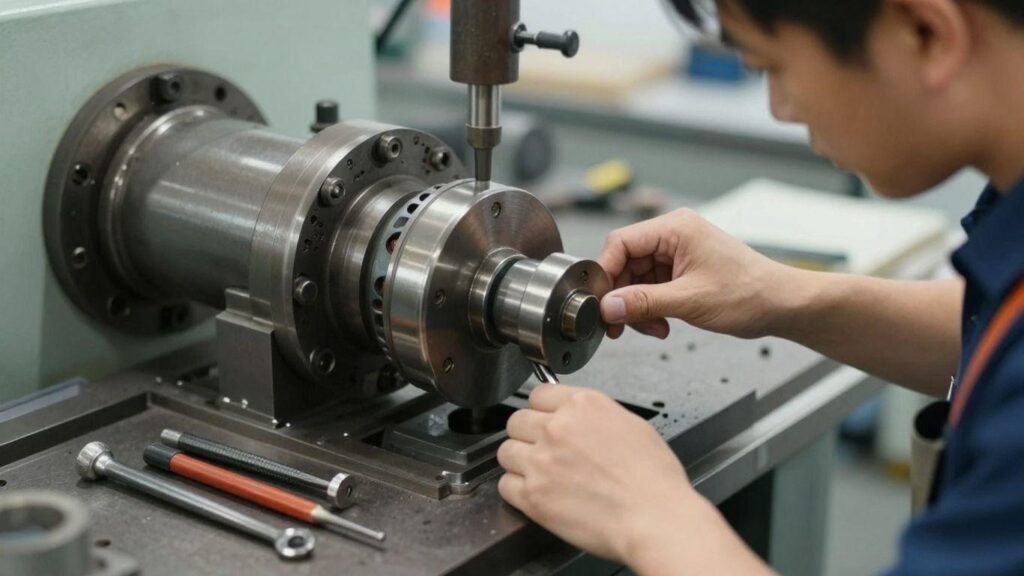
Observing Machine Behavior for Clues
When a piece of equipment starts acting unusual, millwrights are the first line of defense. They listen for strange sounds, watch for odd movements, and feel for unusual vibrations. These initial observations are like the first symptoms a doctor notices. A machine might start making a grinding noise, or perhaps it’s not performing its task with the usual speed. These are direct signals that something is off. Paying close attention to these early signs is key to preventing minor issues from becoming major failures.
Diagnosing Deeper Mechanical Issues
Once the obvious signs are noted, the real detective work begins. Millwrights use their knowledge to figure out the root cause. This might involve checking for worn bearings, loose connections, or problems with the power supply. They might use specialized tools to measure things like pressure or temperature. It’s about going beyond the surface to find the actual problem. This diagnostic process is critical for effective troubleshooting.
The Importance of Regular Equipment Inspections
Regular equipment inspections are not just a good idea; they are a necessity for any operation relying on machinery. Think of these inspections as routine check-ups for your equipment. They help catch small problems before they grow into costly breakdowns. Millwrights perform these checks to ensure everything is running safely and efficiently. This proactive approach saves time, reduces unexpected downtime, and keeps production running smoothly. Consistent inspections are a cornerstone of good millwrighting practice.
Wrapping Up: The Millwright’s Role in Precision
So, when it comes to installing and keeping precision equipment running right, millwrights are the folks you want on the job. They handle everything from getting the machine set up perfectly in the first place, using all sorts of fancy tools to make sure it’s aligned just so, to keeping it in good shape over time. It’s a job that needs a sharp eye for detail and a solid understanding of how these big machines work. By following the right steps and using the proper techniques, millwrights help make sure that expensive, sensitive equipment doesn’t end up with problems down the road, saving businesses a lot of headaches and money.