

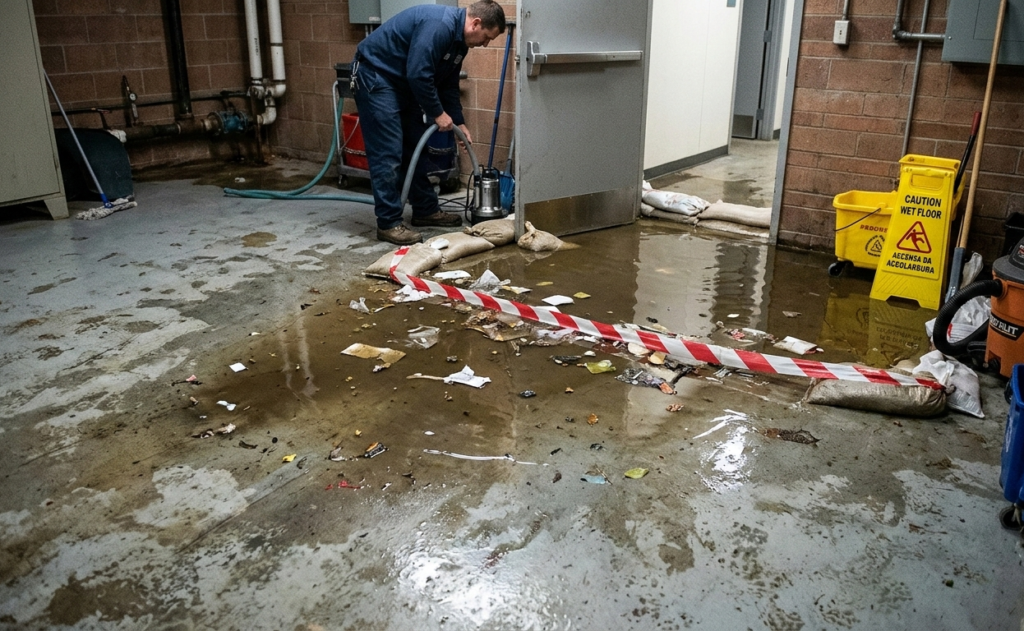
Flooding is one of the most destructive events a property owner can face. Whether caused by severe storms, burst pipes, sewer backups, or overflowing rivers, floodwater can damage homes and businesses in a matter of minutes. What many property owners don’t realize is that the real damage often continues long after the water disappears.
According to the Insurance Bureau of Canada, flooding is the most costly natural disaster affecting Canadian homes, with insured losses reaching billions of dollars in recent years. Climate change and extreme weather patterns have also increased the frequency of heavy rainfall events, putting more properties at risk.
Flood damage restoration is not just about removing water. It involves a comprehensive process of drying, cleaning, sanitizing, and restoring affected structures to ensure a safe living environment.
Understanding how flood damage impacts a property and why professional restoration is essential can help homeowners recover faster and avoid long-term complications.
The Immediate Impact of Floodwater on Property
When water enters a home or commercial building, it spreads rapidly through floors, walls, and structural materials. Even a small amount of standing water can penetrate porous materials such as drywall, insulation, carpeting, and wood.
Within just a few hours, water intrusion can lead to significant problems.
Structural Damage
Prolonged exposure to moisture weakens building materials. Wood framing can swell and warp, drywall may crumble, and flooring materials can separate or buckle.
If structural components remain saturated for too long, the integrity of the building may be compromised.
Electrical Hazards
Floodwater can reach electrical systems, outlets, and appliances. This creates serious safety hazards and increases the risk of electrical fires or shocks.
Before restoration begins, professionals often shut off power and inspect electrical systems to ensure the area is safe.
Mold Growth
One of the most dangerous consequences of flooding is mold development. Mold spores can begin growing within 24 to 48 hours after water exposure.
Once mold spreads through walls and ceilings, remediation becomes significantly more complex and costly.
Why Professional Flood Damage Restoration Matters
Many homeowners initially try to remove floodwater themselves using household tools or shop vacuums. While these efforts may remove visible water, they rarely address moisture trapped within building materials.
Professional restoration teams use specialized drying equipment and moisture detection technology to ensure hidden water is eliminated.
Companies such as Ideal Response flood damage restoration services provide comprehensive remediation designed to prevent secondary damage like mold growth, structural deterioration, and long-term indoor air quality problems.
Certified technicians follow industry standards to ensure all contaminated materials are properly cleaned, sanitized, or removed.
The Flood Restoration Process
Flood damage restoration typically follows a structured process designed to fully recover affected areas.
1. Emergency Response and Inspection
The first step is a rapid response assessment to determine:
- The source of flooding
- The extent of water penetration
- Areas at risk of mold growth
- Structural safety concerns
Professional technicians use moisture meters and infrared imaging tools to detect water hidden inside walls and floors.
2. Water Extraction
Once the inspection is complete, high-powered pumps and industrial extraction machines remove standing water from the property.
This step must occur quickly to minimize damage and reduce moisture levels before materials begin deteriorating.
3. Drying and Dehumidification
Even after visible water is removed, building materials may still contain significant moisture.
Restoration specialists deploy:
- Industrial air movers
- Commercial-grade dehumidifiers
- Moisture monitoring equipment
These tools accelerate evaporation and prevent mold growth.
4. Cleaning and Sanitization
Floodwater often contains contaminants such as bacteria, sewage, or debris. This is particularly true when flooding results from stormwater or sewer backups.
Technicians thoroughly clean and disinfect all affected surfaces to eliminate health risks.
5. Structural Restoration
Once the property is completely dry and sanitized, restoration experts repair damaged structures. This may include:
- Replacing drywall and insulation
- Repairing flooring
- Repainting walls
- Rebuilding damaged sections of the property
The goal is to return the building to its original condition while ensuring long-term safety.
Health Risks Associated With Flood Damage
Floodwater can carry harmful bacteria, chemicals, and pathogens that pose serious health risks.
Common contaminants found in floodwater include:
- E. coli bacteria
- Industrial pollutants
- Sewage waste
- Mold spores
Exposure to contaminated floodwater can cause respiratory infections, skin irritation, gastrointestinal illness, and allergic reactions.
Professional restoration teams use protective equipment and specialized disinfectants to ensure all contaminants are safely removed.
Flood Damage by the Numbers
Flooding is more common than many property owners realize. Several key statistics highlight the scale of the problem:
- Nearly one in five homes in Canada is at risk of flooding.
- Water damage and freezing account for over 40% of all home insurance claims.
- The average insurance claim for water damage exceeds $40,000.
- Basement flooding is the most common type of residential flood damage.
These numbers demonstrate why quick action and proper restoration are essential after any water emergency.
Preventing Future Flood Damage
Although not all floods can be prevented, property owners can reduce the risk by taking proactive steps.
Important flood prevention measures include:
- Installing backwater valves in plumbing systems
- Cleaning gutters and downspouts regularly
- Ensuring proper yard drainage away from the foundation
- Sealing cracks in basement walls and foundations
- Installing sump pumps with battery backup systems
Regular property maintenance can significantly reduce the likelihood of severe flood damage.
Choosing a Flood Restoration Company
When selecting a flood restoration provider, experience and response time are critical.
Look for companies that offer:
- 24/7 emergency services
- Certified restoration professionals
- Advanced drying technology
- Insurance claim assistance
- Full structural repair capabilities
Choosing the right restoration company ensures your property receives the proper care and prevents future problems related to hidden moisture.
If you’re interested in understanding how professional restoration teams recover flood-damaged properties, you can learn more about the Ideal Response full restoration process and available services.
Final Thoughts
Flood damage can escalate quickly, turning a minor water incident into a major structural and health hazard. Immediate professional restoration is the key to minimizing damage, preventing mold growth, and restoring safe living conditions.
With the increasing frequency of extreme weather events, understanding flood risks and knowing how to respond is more important than ever.
Acting quickly and relying on trained restoration professionals can protect your property, your health, and your peace of mind.
