

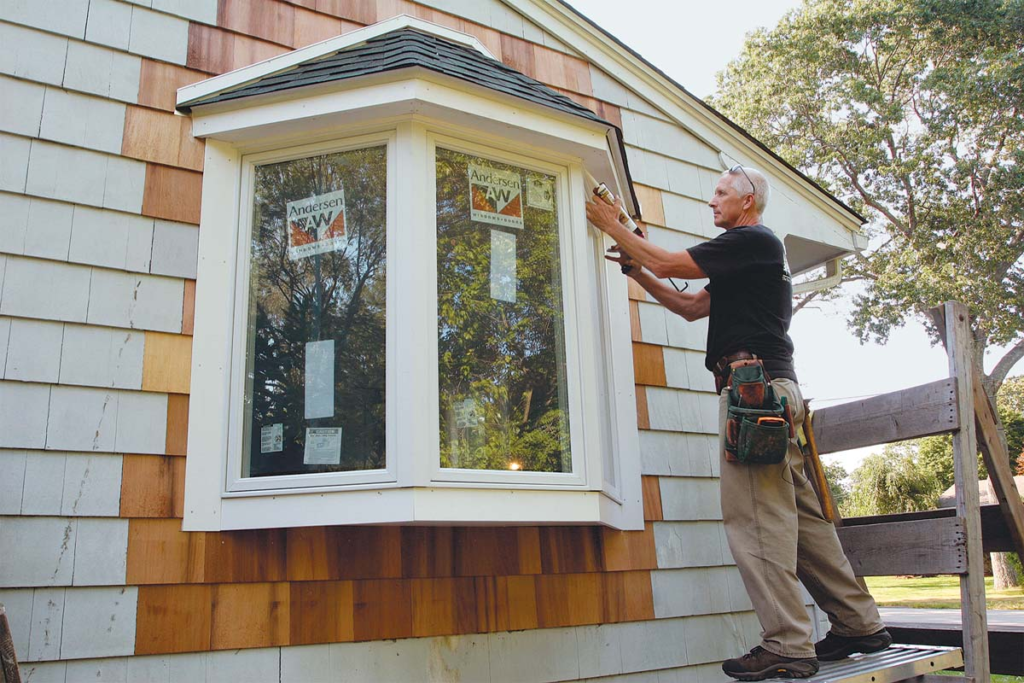
Bay windows are one of the most recognizable architectural features in residential design. They project outward from the main wall of a home, creating an alcove inside and a distinctive visual presence from the street. In older Toronto neighbourhoods especially, bay windows are often considered a signature characteristic of the streetscape.
Their popularity has never really faded, but the reasons people choose them have evolved. Where earlier generations selected bay windows primarily for their look, today’s homeowners are equally interested in what they deliver in terms of light, space, and thermal performance. If you are considering a bay window installation, understanding all of these dimensions will help you make a better decision.
Engaging Custom Bay Window Installation Services early in the planning process ensures the structural, aesthetic, and performance aspects of the project are all addressed properly from the start.
What Defines a Bay Window
A bay window consists of a central fixed or operable window flanked by two angled side windows. The most common configuration is a three-panel setup, with the side windows set at 30 or 45 degree angles from the main wall. This projection creates a recessed interior space, often used as a reading nook, window seat, or simply as an area that feels more open than the rest of the room.
Bay windows are different from bow windows, which curve outward gradually using four or more equal panels, creating a more subtle projection. Bay windows have a sharper, more defined projection with a flat front face.
The Light and Space Benefits Are Real
One of the most consistent reasons homeowners give for choosing bay windows is the quality of natural light they produce. Because the windows project outward and face multiple directions, they capture light throughout the day rather than during only certain hours. A room with a properly oriented bay window can feel significantly brighter than it did with a flat wall window, even when the glass area is comparable.
The sense of expanded space is also genuine. The projection creates a few additional square feet of usable floor area, which, when furnished thoughtfully, reads as a meaningful bonus to the room. A built-in window seat with storage below is one of the most popular uses of a bay window alcove, and it is one of the best investments in function and visual appeal per square foot in residential design.
Structural Considerations Cannot Be Overlooked
Bay windows require structural support that flat windows do not. Because they project outward, they need a support system below (typically a cantilevered floor extension or knee wall) and a roof or copper-clad cap above to protect the projection from the elements. This work requires proper planning, often involving a building permit in Ontario municipalities.
A qualified installer will assess whether the existing framing can support the projection, what kind of head and seat board system is needed, and how the exterior cladding will integrate with the new window. Skipping this structural planning is one of the most common sources of problems in bay window installations: water infiltration at the roof cap, inadequate support causing settling over time, and poor insulation at the projecting perimeter.
Choosing the Right Glass and Frame
The glazing choices for a bay window follow the same principles as any energy-efficient window installation. Double or triple pane glass with argon fill and Low-E coatings will significantly outperform older single-pane configurations. Given that bay windows project into the exterior envelope of the home, their thermal performance affects the energy efficiency of the space more directly than a flat window would.
Vinyl frames are the preferred material in Ontario’s climate for the same reasons they are preferred across most window types: no rot, no warping, minimal maintenance, and good thermal resistance. In a bay configuration, the corners and joints of the frame are particularly important, as these are points where air infiltration can occur if quality is compromised.
Design Integration with the Home’s Architecture
A bay window that looks out of place on a home’s exterior does neither the home nor the room any favours. The size, proportion, and detailing of the window should be considered in relation to the home’s overall architectural character.
For example, a Victorian-era home in Cabbagetown looks best with a bay window that references the period’s design sensibility: angled sides at 45 degrees, detailed moulding, perhaps divided-lite glass in the upper sash. A clean contemporary home works better with simple, flat-framed panels and a minimalist profile. A good installer or designer will help you navigate these considerations before product selection.
Interior finishing is equally important. The seat board, side casings, and ceiling treatment inside the alcove determine whether the final result looks intentional and custom or awkward and afterthought. This finish work should be part of the project scope from the beginning.
Bay windows are genuinely rewarding additions to the right home, but they require more planning than standard window replacements. Done well, they are among the most beloved features a house can have.
