

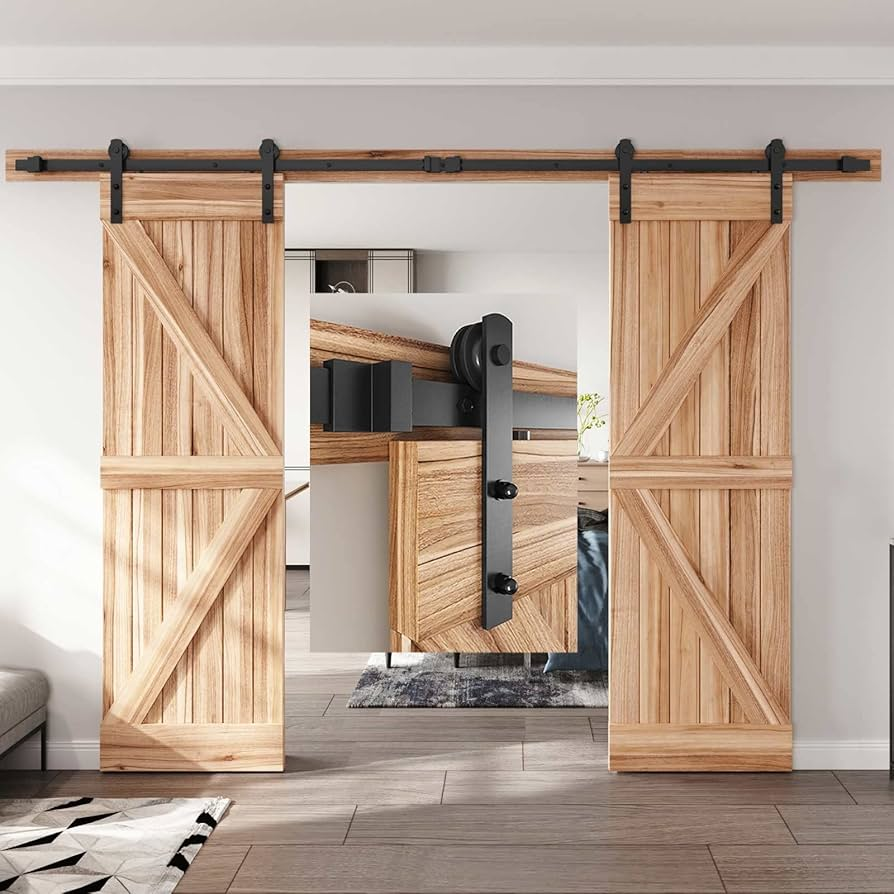
Barn doors have come a long way from actual barns. These days, they’re just as likely to be found separating a home office, hiding a pantry, or adding character to a modern living room. But while the door itself gets most of the attention, the real hero (or villain) of the setup is the barn door hardware kit.
Choose the right one, and your door glides effortlessly like it’s floating on air. Choose the wrong one, and you’re left with scraping sounds, alignment issues, and a daily reminder that shortcuts are rarely worth it.
So how do you pick the right hardware kit for your space, not just the one that looks good online? Let’s break it down in a way that actually makes sense.
Start With the Space, Not the Style
Measure First, Browse Second
It’s tempting to fall in love with a hardware kit based on aesthetics alone. Matte black! Industrial wheels! Very Pinterest. But before clicking “add to cart,” take a hard look at your space.
Key things to consider:
- Width of the door opening
- Available wall space on either side
- Ceiling height
- Nearby switches, outlets, or trim
A barn door hardware kit needs enough horizontal room for the door to slide fully open. If wall space is limited, a longer track might not be practical—no matter how good it looks.
Door Weight Is Not a Guessing Game
Heavier Doors Need Serious Hardware
One of the most common mistakes people make is underestimating how heavy a door actually is. Solid wood doors, glass inserts, and custom panels add weight quickly.
Every barn door hardware kit is rated for a maximum door weight. That number matters.
If your door is close to the limit, go up a size. Hardware that’s barely adequate on day one tends to complain loudly after a few months of use.
Track Length Determines How Functional the Door Is
This Is Where Logic Beats Aesthetics
As a general rule, the track should be at least twice the width of the door opening. This allows the door to slide completely clear without blocking the opening.
Some kits include:
- One continuous track
- Multiple track sections that join together
Both can work well, but alignment matters. A poorly aligned multi-piece track can cause bumps and uneven movement that no amount of adjusting will fully fix.
Roller Design Affects Daily Comfort
Smooth Movement Is Not Optional
Rollers are the most visible part of the system, and they’re also the most used. Cheap rollers often look fine initially but wear quickly, leading to noise and resistance.
A quality barn door hardware kit will feature rollers that:
- Move smoothly under load
- Operate quietly
- Are designed for long-term use
You don’t need industrial-grade machinery, but you do want components that were designed for frequent opening and closing—not occasional use.
Wall Construction Matters More Than People Expect
Hardware Is Only as Strong as What It’s Mounted To
Barn doors hang from the wall, not the floor. That means the wall needs to handle the full weight of the door.
Before choosing a kit, consider:
- Whether you have wall studs in the right place
- If a header board will be needed
- The type of wall material (drywall, plaster, concrete)
Most barn door hardware kits include mounting hardware, but they assume a solid mounting surface. Knowing this ahead of time prevents unpleasant surprises during installation.
Floor Guides Are Small but Critical
Stability Comes From the Bottom
The floor guide keeps the bottom of the door from swinging outward. Without it, doors feel unstable and tend to wander.
Some kits include:
- Floor-mounted guides
- Wall-mounted guides (great for finished floors)
Make sure the style included works for your flooring and comfort level with drilling. A good guide quietly does its job without drawing attention.
Adjustability Is a Sign of Good Design
Walls Are Rarely Perfectly Straight
Even in newer homes, walls and floors can be slightly off. Quality hardware kits allow for adjustment after installation.
Look for features like:
- Vertical roller adjustment
- Slotted mounting points
- Adjustable door stops
These small details make a big difference in how forgiving the installation process is—and how well the door performs long-term.
Noise Is a Quality Indicator
Quiet Is the Goal
A good barn door shouldn’t announce itself every time it’s opened. Grinding, squeaking, or rattling usually points to poor tolerances or cheap materials.
Higher-quality barn door hardware kits focus on:
- Smooth track finishes
- Precision rollers
- Tight-fitting components
Quiet operation is one of those things you don’t think about—until it’s missing.
Match the Finish to the Space, Not the Trend
Neutral Ages Better Than Flashy
Hardware finishes range from raw steel to matte black to brushed stainless. While bold finishes can look great, they also date faster.
If your space changes often or leans neutral, understated finishes tend to age better and blend more easily with different styles.
The goal is harmony, not dominance.
Single vs Double Door Kits
Know What You’re Buying
Not all kits are created equal. Some are designed specifically for single doors, others for double doors that meet in the middle.
A double-door barn door hardware kit usually includes:
- A longer track
- Additional rollers
- Extra door stops
Using a single-door kit for a double-door setup often leads to alignment issues and frustration.
Don’t Ignore Replacement Parts Availability
Future-Proofing Saves Money
Even good hardware may need a replacement roller or guide years down the line. Choosing a kit from a manufacturer that offers spare parts can extend the life of your setup significantly.
It’s a small consideration that pays off later.
Installation Skill Level Matters
Be Honest With Yourself
Some kits are more DIY-friendly than others. Clear instructions, logical component design, and precise measurements make a huge difference.
If you’re unsure, choose a barn door hardware kit known for straightforward installation—or budget for professional help. There’s no shame in wanting it done right the first time.
Price Reflects Engineering, Not Just Branding
Cheap Kits Usually Cost More Eventually
While it’s possible to find decent budget options, extremely low-priced kits often cut corners where it matters most: materials and tolerances.
A mid-range or premium kit typically offers:
- Better durability
- Quieter operation
- Fewer adjustments over time
It’s one of those “buy once, enjoy daily” decisions.
Choosing the right barn door hardware kit isn’t about chasing trends or buying the most expensive option on the shelf. It’s about understanding your space, your door, and how the system will be used day after day.
When hardware matches the environment, the door fades into the background in the best possible way. It opens smoothly. It closes quietly. It behaves.
And when that happens, you stop thinking about the hardware altogether—which is usually the clearest sign you chose the right one.
for more information visit https://activepropertycare.us/