

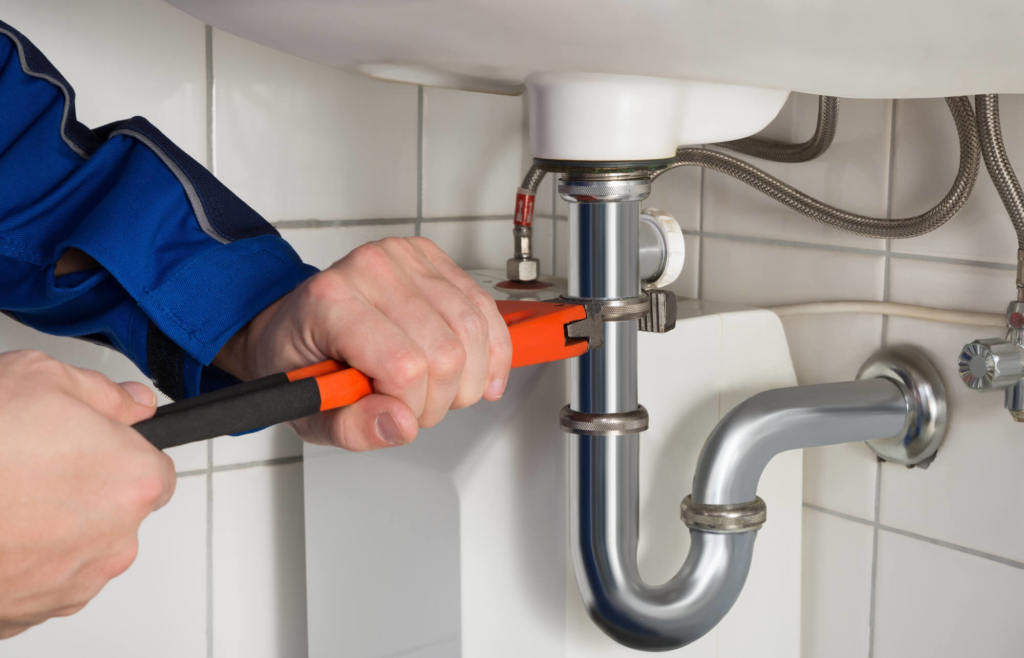
Is your “quick fix” actually destroying your home’s infrastructure? Most homeowners rely on plumbing advice passed down through generations or aggressive marketing campaigns. Unfortunately, much of this “common knowledge” is grounded in myth rather than hydraulic engineering.
In this comprehensive technical analysis, we are deconstructing the most pervasive plumbing fallacies and replacing them with the engineering realities that will save you thousands in repairs. From the “flushable” wipe paradox to the hidden dangers of chemical cleaners, here is how to maintain a resilient, efficient home plumbing system.
1. The “Flushable” Wipe Paradox: Marketing vs. Material Science
The Myth: If it says “flushable” on the box, it’s safe for your toilet and sewer line.
The plumbing industry currently faces an unprecedented challenge: the rise of the synthetic wet wipe. The “flushable” label is perhaps the most dangerous marketing term in home maintenance today.
Disintegration Resistance and Tensile Strength
The fundamental difference between toilet paper and wet wipes resides in their material composition. Toilet paper is engineered from short cellulose fibers designed to lose their tensile strength almost immediately upon immersion in water. Conversely, “flushable” wipes are typically manufactured using non-woven fibers reinforced with synthetic polymers or polyester.
- Tensile Strength: These materials are designed for durability and moisture retention, allowing them to remain intact even after hours of mechanical agitation in the sewer line.
- The “Fatberg” Effect: When these wipes enter the lateral sewer line, they travel as a solid fabric mass rather than a slurry. This mass catches on root intrusions or mineral scale, creating a “netting” effect that captures subsequent wipes, grease, and debris.
- Septic System Vulnerabilities: For homes with septic systems, wipes are even more acute. Because they do not break down, they float in the clarified effluent layer, risking clogs in the intake to the drain field or damaging expensive pumps.
The Engineering Reality: The only things that should ever be flushed are human waste and toilet paper. If it’s a wipe, it belongs in the trash—regardless of what the label says.
2. Chemical Drain Cleaners: A Cure Worse Than the Disease
The Myth: Liquid drain cleaners are a safe, easy way to clear clogs.
While these products are marketed as a convenient solution, the underlying chemistry is inherently destructive to the structural components of your plumbing network.
Thermodynamic Stress on PVC and Polymers
Most over-the-counter cleaners are either caustic (containing sodium hydroxide) or acidic (containing sulfuric acid). These chemicals work by inducing an aggressive exothermic reaction—generating extreme heat to dissolve organic matter.
- PVC Warping: In modern PVC piping, the temperatures generated by these reactions can exceed the material’s thermal deformation limit. This causes the plastic to soften, warp, or even melt.
- Corrosion in Metallic Systems: In older homes with copper or cast iron pipes, acidic cleaners accelerate oxidation, leading to the thinning of pipe walls and the development of “pinhole” leaks.
- Environmental Sterilization: In septic systems, these chemicals kill the beneficial anaerobic bacteria required to break down waste, leading to rapid sludge buildup and system failure.
The Engineering Reality: Mechanical intervention—such as a plunger or a hand snake—is always safer for the pipe’s structural integrity. For maintenance, use enzymatic cleaners that utilize bacterial cultures to “digest” organic matter without heat.
3. The Boiling Water & Grease Trap: A Thermal Illusion
The Myth: Pouring boiling water down the drain helps melt away grease clogs.
This persistent myth is rooted in a misunderstanding of thermal transfer in subsurface pipes. While boiling water may temporarily liquefy grease within the sink basin or the P-trap, the energy is rapidly dissipated as the water travels into the cooler, uninsulated subterranean environment.
The Saponification Process
As the mixture of hot water and grease cools, the grease reaches its solidification point and adheres to the pipe walls.
- Adhesion: The grease creates a waxy, hydrophobic coating.
- Mineral Reaction: Over time, these layers react with alkaline minerals in the water to form a hard, soap-like substance through a process known as saponification.
- The Result: A resilient buildup that can only be removed through high-pressure hydro-jetting or professional mechanical snaking.
The Engineering Reality: Grease should never be introduced to the drainage system. Allow it to cool in a container and dispose of it in the trash. To clean a garbage disposal, use ice cubes and vinegar; the ice provides mechanical abrasion to the blades while the vinegar provides mild acidity without adding fibrous bulk.
4. PEX vs. Copper: Understanding Material Longevity
The Myth: Copper is always the superior choice for home plumbing.
The debate between copper and PEX (cross-linked polyethylene) is often influenced by outdated ideas about durability. In reality, the “better” material depends on your local environment and water chemistry.
| Material Property | Copper Piping | PEX (Polyethylene) |
| Anticipated Lifespan | 50 – 70+ years | 30 – 50 years |
| Corrosion Resistance | Low (prone to pitting/acid) | High (immune to scale/rust) |
| Freeze Tolerance | Poor (rigid; bursts) | Excellent (flexible; expands) |
| UV Sensitivity | None (UV resistant) | High (degrades in sunlight) |
| Installation | Labor-intensive (soldering) | Rapid (mechanical crimp) |
The Engineering Reality
- Choose Copper if: Your pipes are exposed to sunlight (UV) or you live in an area with neutral pH water and want a “legacy” system that lasts 70+ years.
- Choose PEX if: You live in a cold climate (PEX can expand up to 8x its size without bursting) or have acidic water that would eat through copper.
5. Tankless Water Heaters Are “Maintenance-Free”
The Myth: Because they don’t have a tank, you don’t need to worry about sediment.
Tankless units are often sold as “low maintenance,” but the high-efficiency heat exchangers inside them are actually highly susceptible to mineral scale buildup.
The Scale Insulation Effect
In hard water areas, minerals like calcium precipitate out of the water as it is heated. These minerals adhere to the walls of the heat exchanger.
- Efficiency Loss: Scale acts as an insulator, requiring more energy to heat the water.
- System Failure: Eventually, the scale buildup causes the burner to overheat and fail, significantly shortening the unit’s 20-year expected lifespan.
The Engineering Reality: To protect your investment, perform an annual flush with a mild acidic solution (like white vinegar) to descale the heat exchanger. For the best tankless water heater installation, rely on West Coast Flow Plumbing. With 30 years of experience, their Navien and Trutankless Certified Technicians ensure that these high-tech systems are sized, installed, and maintained to professional engineering standards.
6. Mechanical Intervention: Tools and Techniques
The Myth: Any plunger or snake will work for any clog.
Using the wrong tool can cause more damage than the clog itself.
- Plunger Mechanics: Standard “cup” plungers are for flat surfaces like sinks. Toilets require a flange plunger, which features a tapered sleeve to create an airtight seal in the toilet’s trap.
- The Hazard of DIY Snaking: A “sink snake” is thin and flexible, while a closet auger is specifically designed for toilets. Using a sink snake in a toilet can scratch or crack the porcelain, while using a heavy motorized auger in old, thin-walled copper can puncture the pipe entirely.
The Proactive Maintenance Imperative
The most significant myth in residential plumbing is that a system only requires attention when a failure occurs. A reactive model is the most expensive way to manage property.
Your System Health Checklist
- Water Pressure: Use a pressure gauge to ensure your home is between 40-60 PSI. High pressure (over 80 PSI) stresses joints and causes “water hammer.”
- The Food Coloring Test: Add a few drops of dye to your toilet tank. If color appears in the bowl without flushing, your flapper is leaking—wasting thousands of gallons a year.
- Appliance Hoses: Replace rubber washing machine hoses with braided steel every five years to prevent catastrophic bursts.
- Sump Pump: Manually activate your pump every six months to ensure it isn’t seized before a storm arrives.
The Professional Advantage
To maintain the best quality and a stress-free environment in Florida’s unique climate, a yearly plumbing membership can remove the headache of unexpected failures. These programs ensure that critical inspections and descaling are performed on schedule, providing peace of mind and protecting your home’s long-term value.
The management of residential plumbing requires a shift from anecdotal convenience to evidence-based engineering practices. The “quick fixes” marketed to homeowners—from harsh chemicals to “flushable” wipes—often trade a moment of convenience for a decade of infrastructure damage.
By understanding the material science of your pipes and the thermal dynamics of your water systems, you can move from reactive repairs to proactive management. The longevity of your home depends on it.
Is your plumbing system up to code?
Don’t wait for a catastrophic failure. If you’ve been using chemical cleaners or flushing wipes, it’s time for a professional inspection. Contact a licensed plumber today to perform a pressure test and a video lateral inspection to ensure your home is protected.
for more plumbing information visit https://activepropertycare.us/