

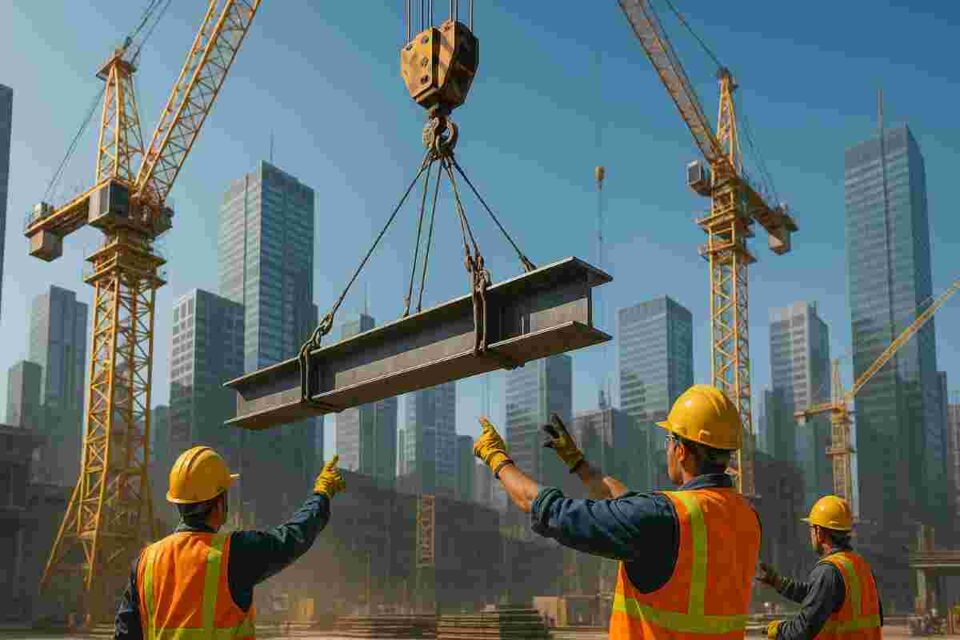
Large-scale property repairs and upgrades are essential to maintaining safe, functional, and long-lasting buildings. From replacing aging mechanical systems to reinforcing structural components, many of these projects involve moving, positioning, or removing extremely heavy materials. This is where professional heavy lifting and rigging methods play a critical role in modern property care.
At Active Property Care, we understand that successful maintenance projects are not just about the finished result. They are about completing work safely, efficiently, and with minimal disruption to the property and the people who use it. The right lifting tools and techniques help ensure that large repairs and upgrades are completed on schedule while protecting both workers and valuable property.
Why Heavy Lifting Is Central to Property Repairs
Commercial and multi-unit properties rely on complex systems that cannot be handled by manual labor alone. HVAC units, generators, structural beams, rooftop equipment, and prefabricated assemblies often weigh thousands of pounds. Attempting to move these components without proper rigging equipment significantly increases the risk of injury, property damage, and costly delays.
Heavy-lifting solutions such as chain hoists, lever hoists, and lifting slings enable maintenance crews to raise, lower, and position loads in a controlled manner. Rather than forcing equipment through tight access points or relying on improvised methods, these tools provide stability and precision, especially when working in mechanical rooms, on rooftops, or in occupied buildings.
Supporting Major System Upgrades
System upgrades are among the most common situations that require heavy lifting. Mechanical and electrical systems eventually reach the end of their service life and must be replaced to maintain performance, energy efficiency, and safety.
For example, rooftop HVAC replacements often require lifting entire units into place rather than disassembling them on site. Wire rope and synthetic slings are commonly used to safely secure these loads during lifting, while spreader bars help distribute weight evenly and prevent damage to equipment housings. Chain hoists and beam clamps allow crews to carefully maneuver components into position once they are inside the building envelope.
These tools enable efficient upgrades while minimizing disruption to tenants and daily operations.
Structural Repairs and Reinforcement
Structural repairs and reinforcement projects also depend heavily on proper rigging techniques. Replacing support beams, reinforcing floors, or installing new load-bearing components requires careful handling to maintain building stability.
Lifting beams, shackles, and turnbuckles are commonly used to align and tension structural elements during installation. These tools enable crews to make precise adjustments while keeping loads supported at all times. Controlled lifting reduces the risk of sudden load shifts that could compromise existing structures or finished surfaces.
This level of control is especially important in occupied properties, where repairs must be performed without compromising safety or causing unnecessary disruption.
Improving Safety on Maintenance Sites
Safety is one of the most important reasons heavy lifting plays a vital role in property care. Moving heavy materials without proper tools increases the risk of strains, falls, dropped loads, and damage to surrounding areas.
Using appropriate rigging equipment, such as rated lifting slings, hooks with safety latches, and load-rated hardware, helps ensure that loads remain secure throughout the lift. Hoists allow workers to control movement gradually rather than relying on sudden force or manual handling.
From a property management perspective, safer lifting practices lead to fewer injuries, fewer delays, and reduced liability exposure.
Protecting the Property Itself
Heavy lifting is not just about moving weight. It is also about protecting property during repairs and upgrades. Improperly handled equipment can crack concrete, damage roofing systems, or damage finished interiors.
Precision lifting tools help prevent these issues by enabling loads to be lifted vertically, moved smoothly, and set down exactly where needed. Spreader bars reduce pressure points, and properly selected slings protect equipment finishes and structural surfaces.
For high-value commercial properties, healthcare facilities, and mixed-use buildings, this level of care is critical to preserving long-term property value.
Efficiency and Project Timelines
Time is a major factor in large-scale property maintenance. Extended downtime affects tenants, operations, and revenue. Heavy-lifting equipment streamlines repairs by reducing the need for temporary dismantling, excessive labor, or repeated handling.
When components can be lifted and installed efficiently with the right rigging tools, projects move forward more predictably. This enables maintenance teams to complete work faster, reduce disruptions, and return spaces to full use sooner.
Planning for Successful Outcomes
Effective heavy lifting starts with planning. Understanding load weights, access points, and site conditions helps determine which lifting tools are required for the job. Incorporating rigging considerations early in the maintenance process prevents last-minute complications and improves overall project coordination.
At Active Property Care, we recognize that professional lifting methods are not an afterthought. They are a key part of responsible property maintenance. Proper planning and execution help ensure repairs are completed safely, efficiently, and to a high standard.
A Critical Part of Modern Property Care
As properties grow more complex and maintenance standards continue to rise, heavy lifting remains essential to large-scale repairs and upgrades. From system replacements to structural improvements, the use of proper rigging tools supports safer job sites, better outcomes, and stronger properties.
By prioritizing smart lifting solutions within a comprehensive maintenance strategy, property owners and managers can protect their investments and ensure projects are completed with care and professionalism.
for more property repair updates visit https://activepropertycare.us/