
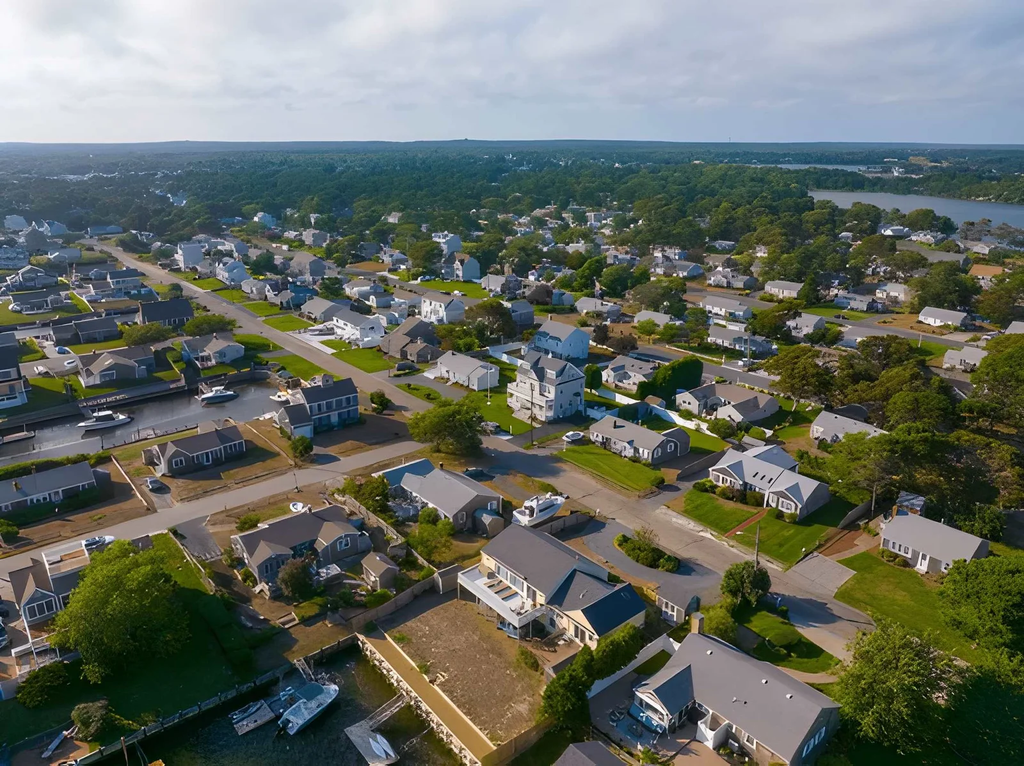

Most people discover an easement by accident: a title report that mentions a strip along the back fence, a utility crew asking for access, or a neighbor who has crossed the same corner of the yard for years. If you are asking how easements affect the future use of residential land, the short answer is that they decide what you can build, plant, fence, or change, long after the paperwork was forgotten. An easement gives someone else limited rights to use part of your property, and it usually stays with the land when you sell.
I have seen buyers fall for a yard and then learn the best corner was a drainage easement where no shed or pool could go. I have also seen owners treat an easement as a total loss, when it only limited a narrow strip.
The impact depends on the type, location, and exact wording. This article is general information for US homeowners, not legal advice. Easement law varies by state, so confirm details with a real estate attorney.
It covers a quick answer, a table of easement types, a table of what they limit, how to find one, ways one can end, mistakes to avoid, and a short FAQ.
How do easements affect the future use of residential land?
Easements limit what you can build, plant, or change inside the easement area, and they often bind future owners. A utility easement can block structures over a line, an access easement can keep a path open for a neighbor, and a prescriptive easement can arise from long, open use. They rarely take away ownership, but they can reduce development options and affect resale and financing.
Which types matter most?
| Type | What it means | Effect on you |
|---|---|---|
| Express | Written agreement recorded in deed records | Easiest to find in a title search |
| Appurtenant | Runs with the land and transfers automatically when either property sells | Binds future owners |
| In gross | Benefits a specific person or organization, not a neighboring property | Often utilities |
| Utility | A subcategory of easements in gross | Lines, pipes, and access |
| Prescriptive | In Texas, 10 years of adverse, open, continuous, and exclusive use | May not appear in documents |
| Implied or by necessity | Arise without a written agreement in the deed records | Can be harder to spot |
Required time periods and rules differ by state.
What can an easement limit?
| Area | Possible limit |
|---|---|
| Structures | You cannot build a permanent structure over a utility easement |
| Fences | A tall fence can block a utility company’s access to a pole |
| Utility paths | Utility easements often run along front and side lot lines, drainage easements through back yards |
| Development | Easements may prevent certain construction, landscaping, or modifications |
| Control | You may not have full control over who can enter or use parts of the land |
| Light and views | A negative easement can stop a neighbor from blocking your light |
How can you find one?
| Step | Action |
|---|---|
| 1 | Get a title company to do a title search |
| 2 | Order a professional land survey to see utility lines or pathways |
| 3 | Ask zoning and planning authorities about recorded easements |
| 4 | Before making an offer, request a current survey and title commitment |
| 5 | Walk the property for paths, poles, or pipes |
| 6 | Ask the seller and neighbors about shared use |
Some easements are hard to see. A title search would not show an easement in gross.
Can an easement ever end?
| Way it ends | Notes |
|---|---|
| Mutual agreement | Register the termination at the local recorder’s office |
| Merger | Buy the other person’s property and merge the land |
| Holder’s death | An easement in gross granted to an individual cannot be voided until that person dies or formally agrees it is no longer needed |
| Permission | Granting written permission can prevent a prescriptive easement |
| Court action | Ask an attorney |
What mistakes should you avoid?
- Building before checking. Review the survey and title first.
- Assuming no easement means none. Implied and prescriptive easements may be undocumented.
- Ignoring neighbors’ use. Long-term use can create rights.
- Skipping legal advice. Wording decides your rights.
Frequently asked questions
Do easements lower property value?
It depends on size, location, and impact. Ask a local agent or appraiser.
Can you build on an easement?
Often not permanent structures, and rules depend on the document.
Does an easement transfer when you sell?
Appurtenant easements do. Personal ones may not.
Bottom line
Check the title and survey before you buy or build, understand the type and wording of any easement, and keep clear of utility paths. Get an attorney involved for disputes or changes.
for more information visit https://activepropertycare.us/