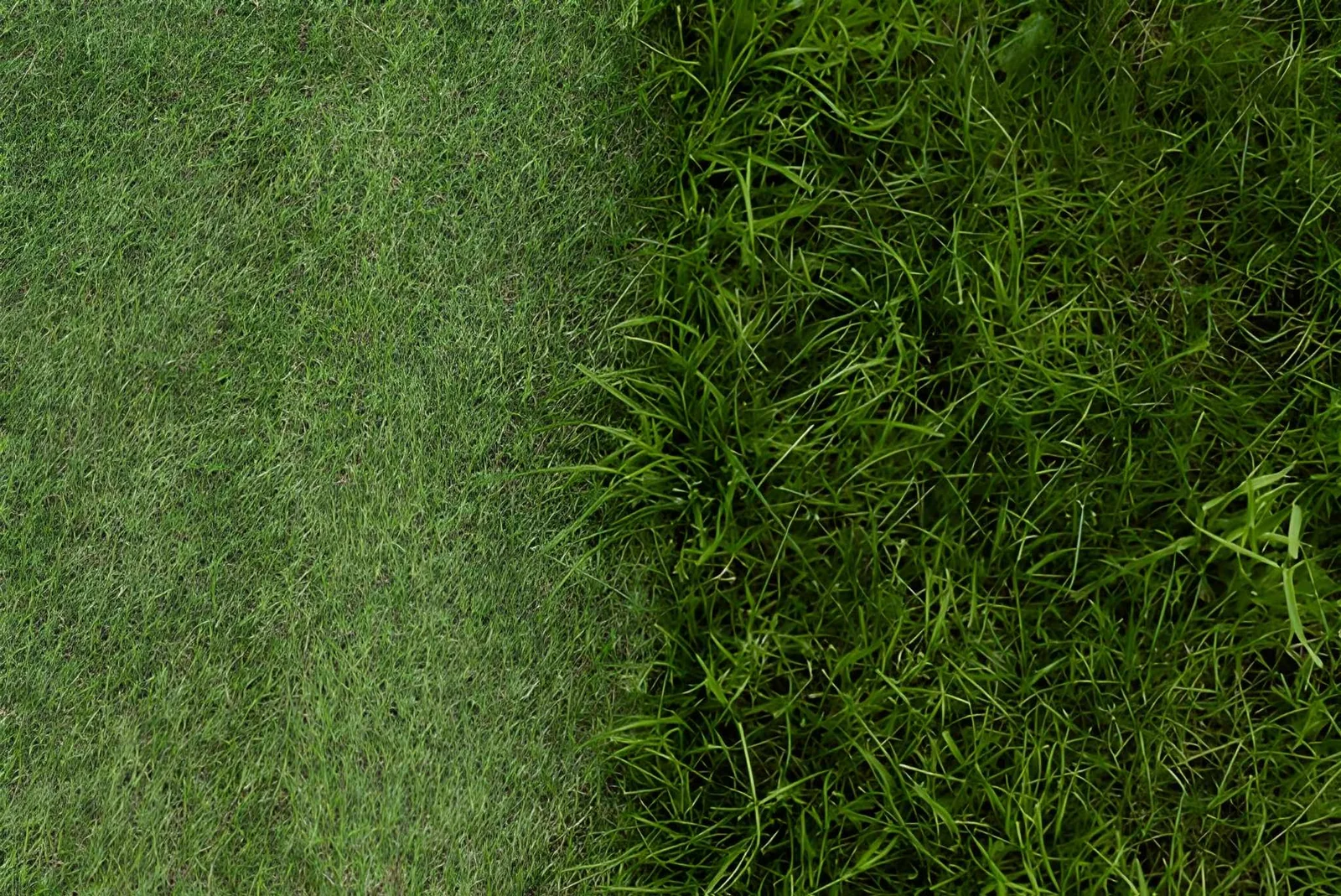

Artificial grass sells a tempting picture: a green lawn all year, no mowing, no watering, no mud. Natural turf sells a different picture: cool underfoot, alive, and a little work. If you are asking whether artificial grass is better than natural turf, the research suggests a split decision. Artificial turf can solve real problems in the right spot, but for many yards natural grass costs less over time, stays cooler, and does more for the environment.
I have seen artificial turf transform a shady, muddy side yard where grass never grew. I have also seen it turn a sunny backyard into a surface too hot for bare feet by noon. The same product, two very different results.
The honest answer depends on your climate, your use, and how long you plan to stay. This article is general information, not a quote or a purchase recommendation, and prices vary by region and installer.
It covers a quick answer, a cost comparison, heat and environment data, a table of where each one fits, mistakes to avoid, and a short FAQ.
Is artificial grass better than natural turf?
Artificial grass is better in limited situations: deep shade, heavy foot traffic, strict water limits, or areas where grass will not grow. Natural turf is usually better for cost over time, cooler surface temperatures, and ecological benefits like stormwater filtration. For most homeowners with sun and soil, natural grass is the lower-cost, lower-impact choice.
How do costs compare?
| Cost item | Natural grass | Artificial turf |
|---|---|---|
| Installation | Sod costs about 50 cents to $1.50 per square foot | About $5 to $15 per square foot |
| Yearly upkeep | A low-input system in Florida may cost 10 to 50 cents per square foot per year | 25 cents to $1 per square foot per year |
| Lifespan | Can be maintained indefinitely | Usually 10 to 20 years, with limited recycling options |
| Seller claim | Not applicable | One installer says turf typically pays for itself within seven years |
| Independent finding | A 25-year cost analysis of a sports field found natural grass cheaper long term | Higher over 25 years |
The seller claim comes from a company that sells turf. The 25-year study looked at a field, not a home lawn, so treat both as clues.
What about heat, water, and the environment?
| Factor | Natural grass | Artificial turf |
|---|---|---|
| Surface heat | Temperatures similar to the air | Can be 20 to 70°F hotter than natural grass |
| One field measurement | Cooler | 24.1°C hotter at midday in June |
| Water | Needs irrigation in dry periods | Does not need irrigation, but may need weekly wash-downs and minimal water in drought |
| Runoff | Provides stormwater filtration and erosion control | Lack of permeability noted as a concern |
| Chemicals | Fertilizer and pesticide use if applied | Microplastics and PFAS identified as concerns |
| Injuries | Baseline | No conclusive difference in overall injury rates |
Heat figures vary by product, color, and weather, so test a sample in the sun before you commit.
Where does each one fit?
| Situation | Better fit |
|---|---|
| Deep shade, grass keeps dying | Artificial, or a shade-tolerant ground cover |
| Heavy pet and child traffic | Either, depending on climate and cleaning plans |
| Strict water restrictions | Artificial, or drought-tolerant plants |
| Sunny lawn, normal rainfall | Natural grass |
| Hot climate, bare feet | Natural grass |
| Small, tidy courtyard | Artificial can work |
| You plan to sell soon | Check local buyer preferences |
| Wanting wildlife benefits | Natural grass or native plants |
What mistakes should you avoid?
- Skipping a sun test. Put a sample outside on a hot afternoon.
- Ignoring drainage. A poor base can cause odors and puddles.
- Forgetting pets. Plan for cleaning, since urine can leave odors.
- Trusting only seller claims. Compare independent sources.
Frequently asked questions
Does artificial grass need maintenance?
Yes. It needs brushing, rinsing, and debris removal, though less than mowing a lawn.
Is artificial grass cheaper in the long run?
Not always. Claims vary, and the evidence I found favored natural grass over long periods.
Does it get hot?
Yes, often hotter than natural grass in strong sun.
Bottom line
Choose artificial grass for shade, tight water limits, or tough conditions where grass fails. Choose natural turf for lower lifetime cost, cooler surfaces, and ecological benefits. Test a sample, compare quotes, and read independent research.
For more information visit https://activepropertycare.us/


